 Skip to content
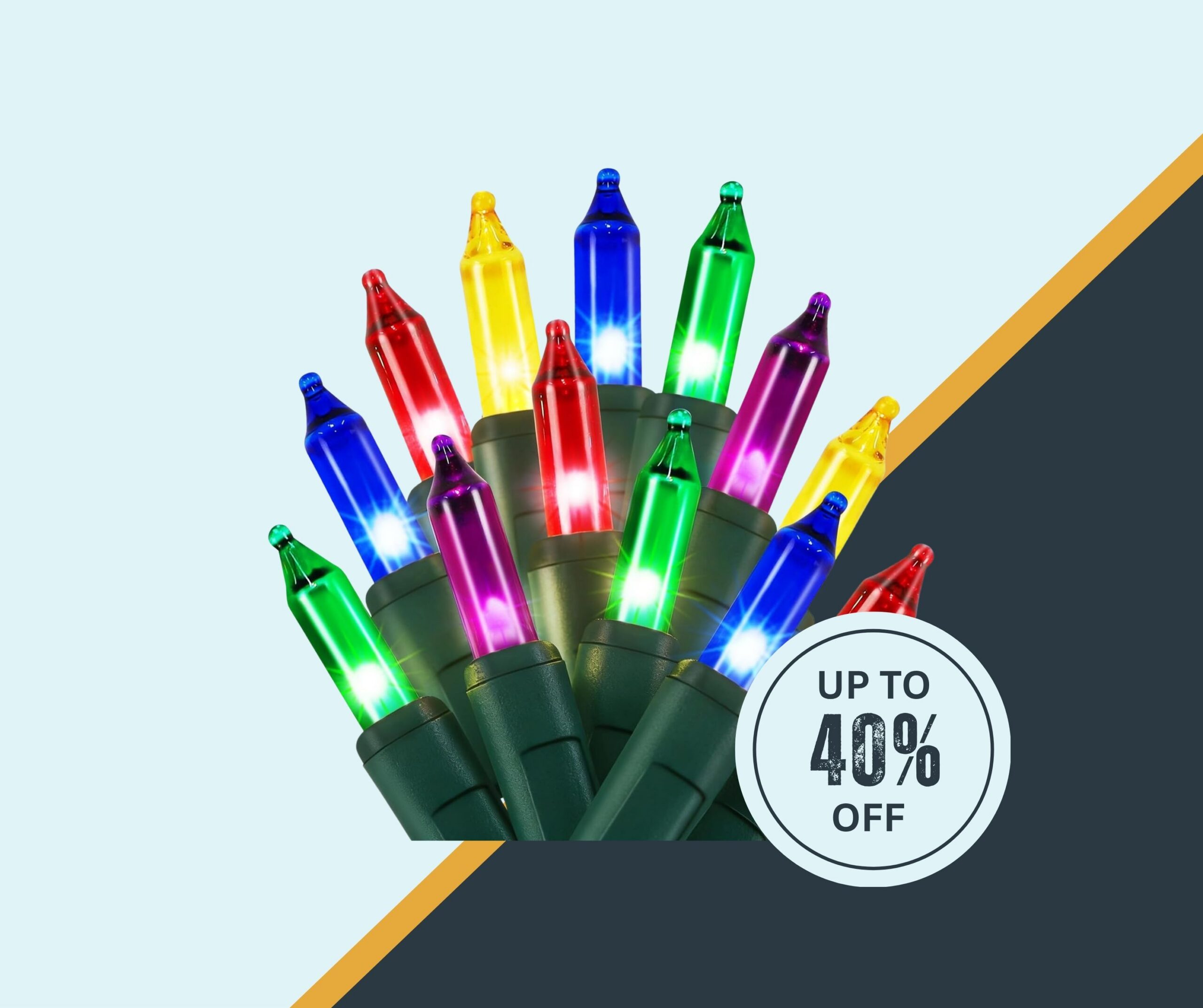
Christmas lights are the rare seasonal category where buying early genuinely pays, because the good sets sell out by mid-November and prices climb rather than fall as December approaches. Labor Day Weekend catches the first wave of new stock alongside last year’s leftovers, which is a better combination than it sounds. Everything below shows live pricing, so you can see where the markdowns actually are.
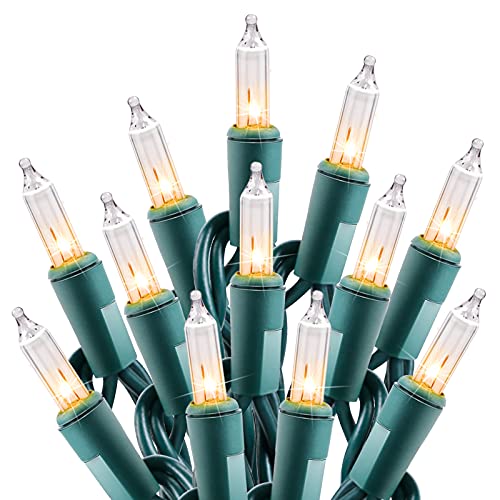
Quick sale picks
The light sets carrying real markdowns right now. Check the bulb count and the total length rather than the headline price, since those are what actually differ between similar-looking boxes.
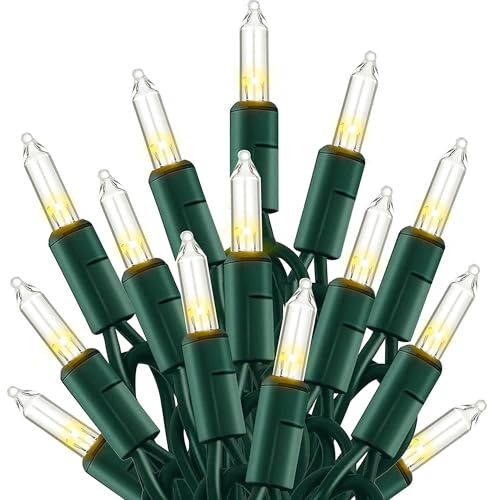

When Christmas lights actually go on sale
This category runs backwards compared with most seasonal goods. Prices rise into December rather than falling, which makes the timing decision unusually consequential.
| When | What to expect |
|---|---|
| December 26 to January | The deepest window by far. Seventy-five percent off is normal and stores want the space back. The catch is storing them for eleven months, which is the whole trade. |
| February to July | Effectively dormant. A few clearance leftovers persist online, but selection is minimal and nobody is running promotions. |
| Late August to Labor Day | Good and underused. New stock is arriving while last season’s inventory is still being cleared, so both current and outgoing sets are discounted at the same time. |
| October | Reasonable. Full range available and the first proper seasonal promotions run, though prices have started firming up. |
| Black Friday and Cyber Monday | Strong on the expensive items specifically. Projectors, permanent systems and smart lighting take their steepest cut here. |
| December 1 to 24 | The worst time to buy. Popular sets are sold out, prices are at their annual peak, and what remains is what nobody wanted. |
| Whenever a colour range is discontinued | Manufacturers rotate bulb styles and colour temperatures constantly. An outgoing set lights a tree exactly as well as the current one. |
What actually counts as a good price
The useful measure here is cost per bulb rather than cost per box, because a two hundred count set and a hundred count set look identical in a listing photograph. These are the marks worth working to.
Indoor string lights
The basic tree and mantelpiece sets. Work out the price divided by bulb count before comparing anything, since box sizes are deliberately inconsistent.
Outdoor-rated sets
Worth the premium over indoor sets, because a weather rating is the difference between one season and five. Check for a proper IP or outdoor rating rather than the word weatherproof in the title.
Projectors
Cheap to buy and highly variable in quality. The pattern range matters less than whether it survives a wet November, so read reviews from a previous winter rather than recent ones.
Permanent outdoor systems
The expensive end, installed once and left up year-round. Judge by percentage and buy on a real discount, since these rarely fall below a certain dollar figure.
Outdoor Christmas lights on sale
Weather-rated sets built for gutters, railings and trees. The rating is the thing that matters most here, and installing them in September in mild weather is considerably easier than doing it on a frozen ladder in December.


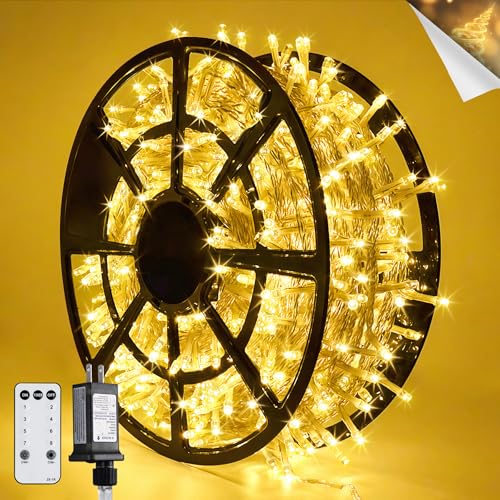



Christmas tree lights on sale
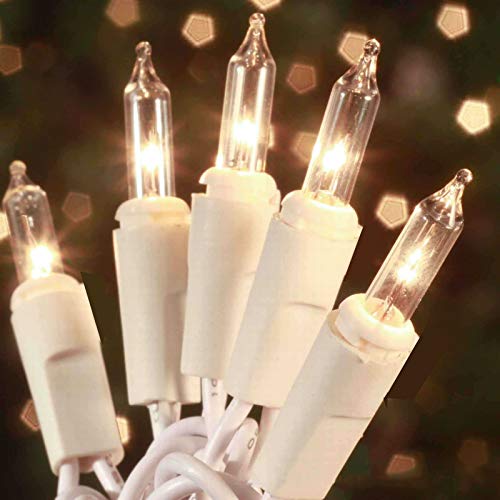
Indoor string sets for trees, garlands and mantelpieces. Buy more than you think you need, since running short in mid-December means paying peak price for a mismatched set.


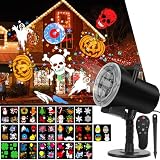
Light projectors on sale
The lowest-effort way to light a whole house exterior, and the most variable in quality. Look for stake-mounted units with a proper weather rating rather than the cheapest option with the most patterns.




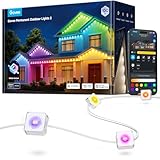
Permanent outdoor lights on sale
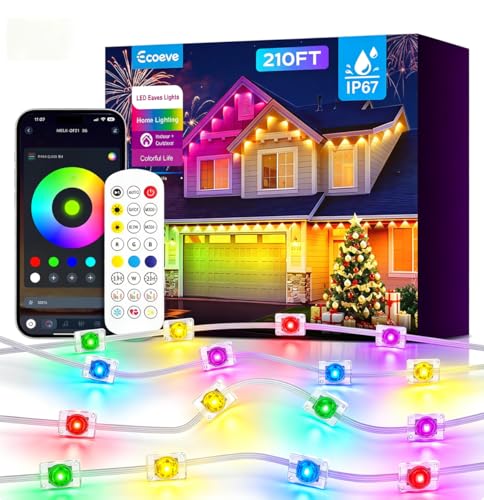
Track-mounted colour-changing systems that stay up all year and switch between holidays through an app. Expensive up front and genuinely transformative if you would otherwise be on a ladder twice a year.




Where else to check today
The specialist lighting shops carry commercial-grade sets that outlast anything in a general store, and they stock in early autumn rather than waiting for December. These are the ones worth opening in another tab.
How to buy Christmas lights
Compare cost per bulb, not price per box. Bulb counts vary from fifty to six hundred on sets that look identical in a thumbnail, and the cheapest box is frequently the worst value. Dividing the price by the count takes seconds and is the single most useful check on this page.
Buy more than you think you need. Running out halfway along a roofline in December means either paying peak price or living with a mismatched set, and colour temperature varies enough between production runs that even the same model may not match. One spare box now costs less than the alternative later.
Check the outdoor rating, not the marketing. Words like weatherproof and all-weather appear on sets that are not rated for permanent exposure. A stated IP rating or an explicit outdoor certification is what separates a set that survives five winters from one that fails in the first wet week.
Count how many sets can run end to end. Every string has a maximum number that can be connected in series, usually printed on the plug tag, and exceeding it is both a fire risk and the most common cause of half a run going dark. Plan the layout before ordering rather than after.
Install in mild weather if you can. There is nothing stopping you putting outdoor lights up in October and leaving them unplugged. Doing the ladder work in daylight and above freezing is safer, faster and considerably less miserable than the traditional approach.
Consider a permanent system if you do this every year. The up-front cost is high, but two ladder sessions a year for a decade adds up in both money and risk. These have become substantially cheaper and better in the last few years, and a real discount makes the maths work.
Christmas light questions, answered
The bottom line
This is a good weekend to buy, which is unusual for a Christmas category in early September. Work out the cost per bulb before comparing anything, buy one more box than the plan requires, and check for a real outdoor rating rather than a marketing word. Put the outdoor runs up in October while the weather is mild, and if you decorate the same roofline every year, price a permanent system properly rather than dismissing it.
