 Skip to content

Solar lighting is one of the few outdoor categories where early September is genuinely the best moment: garden stock is being cleared before the autumn reset, and the days are still long enough for a new set to charge properly while you work out where you want it. Labor Day Weekend is the peak of that clearance. Everything below shows live pricing, so you can see where the markdowns actually are.

Quick sale picks
The solar lights carrying real markdowns right now. Look past the lumen figure in the title and check the stated battery capacity, which is what actually determines whether it lasts the night.


When solar lights actually go on sale
This follows the garden calendar rather than the general retail one, which means the good window arrives while everyone is still thinking about summer rather than lighting.
| When | What to expect |
|---|---|
| March to May | The worst window. Garden season is starting, demand is at its annual peak, and everything sits at full price. |
| June and July | Mixed. The mid-summer sale events reach this category, though selection is still strong and prices have not properly softened. |
| Late August to Labor Day | The best window of the year. Garden departments clear outdoor stock before the autumn reset, and this is where the deepest reductions land while selection is still broad. |
| September to October | Still very good and often deeper, though the range thins quickly. Worth checking repeatedly rather than once. |
| November | Patchy. Black Friday reaches the branded security lights and smart models but largely skips ordinary garden lighting. |
| December to February | Dormant. Very little stock, no promotions, and short days make it the worst time to install anything solar anyway. |
| Whenever a model is superseded | Reliable and frequent in this category, because the manufacturers iterate constantly. The outgoing version is usually identical apart from the panel size. |
What actually counts as a good price
Cost per light is the only sensible comparison here, because pack sizes run from one to twelve and the listings are designed to obscure that. These are the marks worth working to.
Path and garden stakes
The commodity end of the category. Buy in packs, expect to replace some, and do not pay a premium for a decorative finish that will fade outdoors within a year.
String lights
Compare by total length rather than by bulb count, since spacing varies enormously. The panel and the battery matter far more than the bulbs on these.
Motion security lights
The part of the category where quality genuinely differs. A larger panel and a replaceable battery are worth paying for here in a way they are not on a garden stake.
Lanterns and decorative
Bought for how they look rather than how much light they give, which is fine as long as the expectation matches. Check the material, because plastic yellows and cheap metal rusts.
Solar path lights on sale
Stake lights for borders, drives and walkways, sold in multipacks and priced per unit. The cheapest and most disposable part of the category, and the one where buying a larger pack genuinely pays.


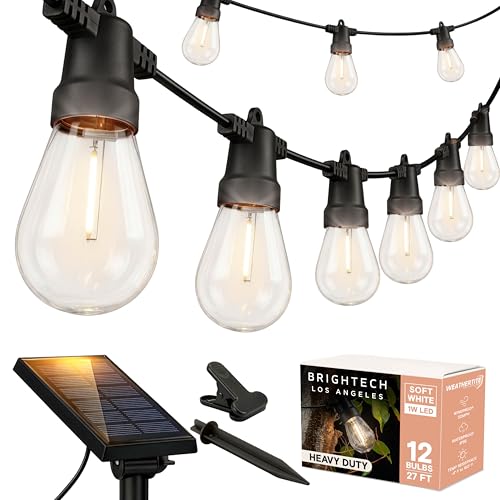
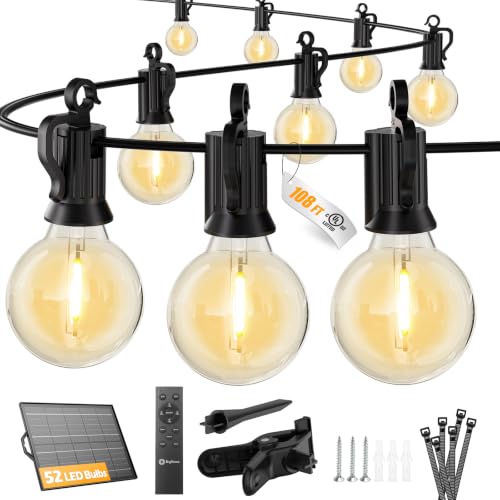
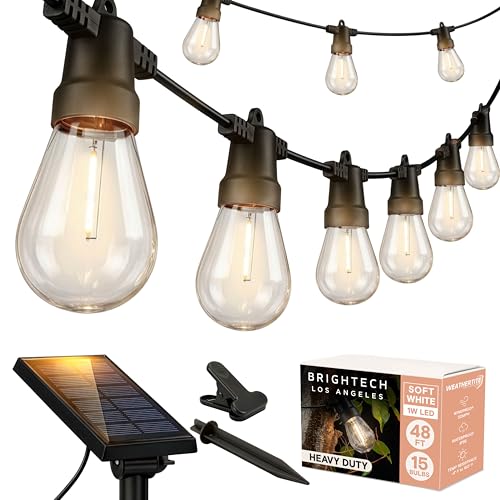
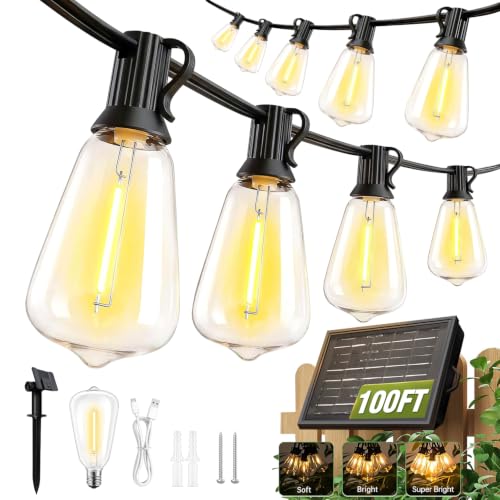
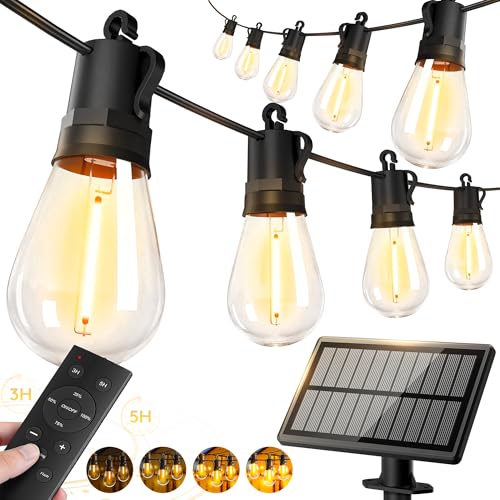
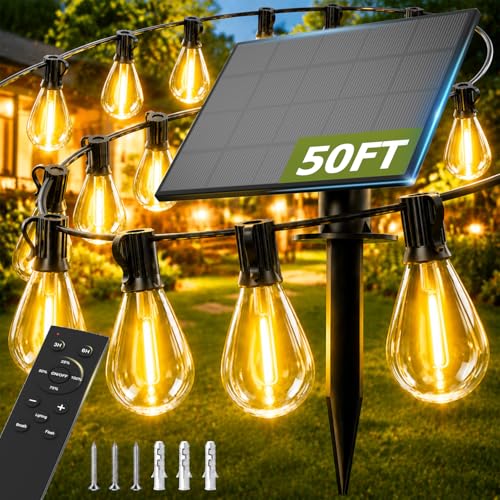
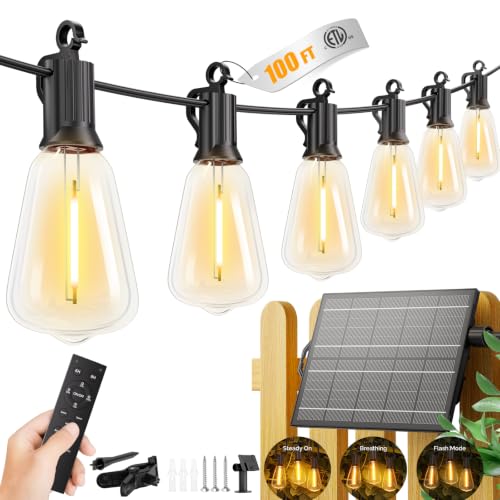
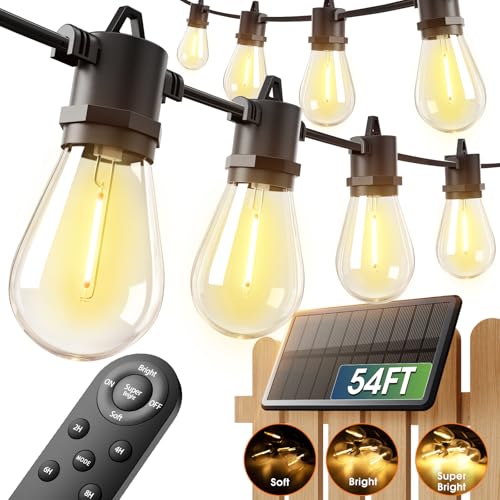
Solar string lights on sale
Long runs for pergolas, fences and trees. The panel needs full sun for these to run all evening, so where the panel goes matters more than where the lights go.

Solar security lights on sale
Motion-triggered floodlights for drives, sheds and side returns. The most useful thing on this page and the category where a real discount is worth waiting for rather than buying the cheapest option.


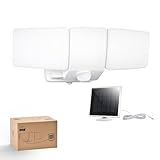
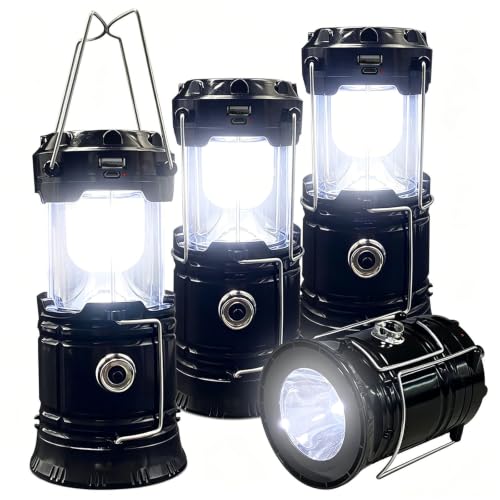
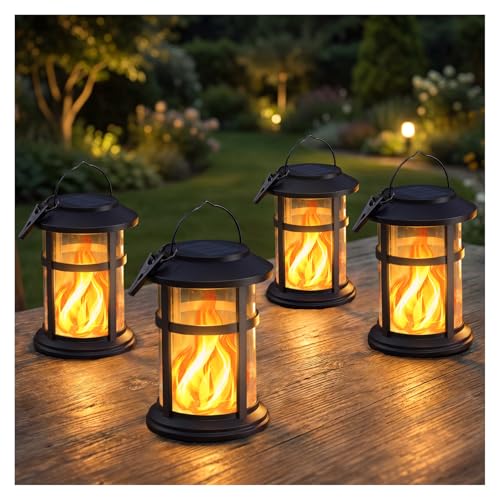
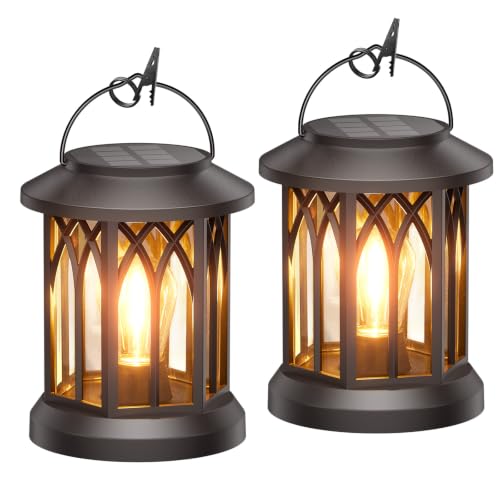
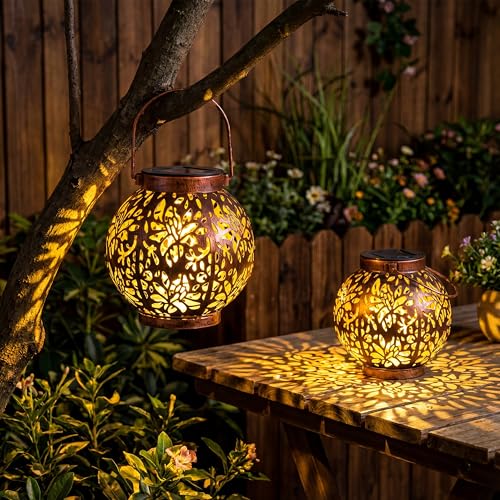
Solar lanterns on sale
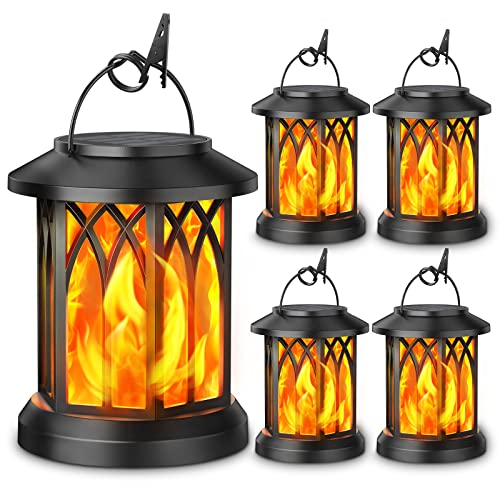
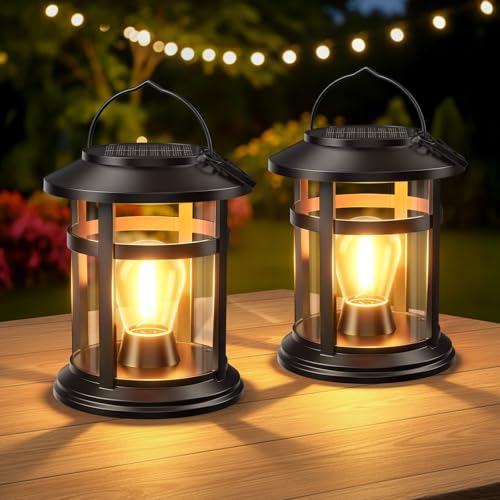
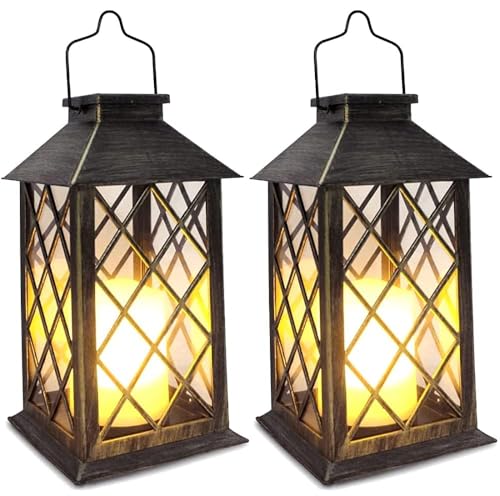
Hanging and tabletop pieces bought mostly for atmosphere. Judge these on materials and how they look unlit during the day, since that is how you will see them most of the time.



Where else to check today
Garden centres and home retailers clear this category harder than the marketplaces do at this point in the year, and their stock differs considerably. These are the places worth opening in another tab.
WalmartBest for multipacks
WayfairBest for decorative styles
Gardener’s SupplyBest for quality that lasts
Ace HardwareBest for buying in person
How to buy solar lights
The battery is the product, not the bulb. Nearly every solar light that dies early dies because a small rechargeable cell wore out, usually within two summers. A stated capacity in milliamp hours and, better still, a battery you can actually replace, is what separates a set that lasts five years from one that lasts one.
Buy the separate-panel version wherever you have the choice. Integrated units have to sit where the light is needed, which is frequently in shade. A model with a panel on a short cable lets you put the panel in sun and the light where you want it, and that single decision does more for performance than any specification.
Compare per light, not per pack. Pack sizes run from one to twelve and the listing titles are written to make that hard to see. Dividing the price by the count is the only comparison that means anything in this category.
Ignore the lumen claims on the cheap end. The figures quoted on unbranded garden lights are close to fiction and are not comparable between sellers. Photographs taken at night by actual buyers tell you more than any number in the specification.
Install now while the days are still long. A solar light needs several good days of charging to reach full capacity, and putting them out in September gives them that. Installing in November means a set that never charges properly and a false impression that it was faulty.
Spend the money on security and save it on decoration. A motion floodlight that fails is a genuine nuisance; a decorative stake light that fades is a minor one. Splitting the budget that way gets a better result than buying everything at the same price level.
Solar light questions, answered
The bottom line
Buy now rather than in spring, because this is the annual low and spring is the annual high. Judge everything per light rather than per pack, look for a replaceable battery and a panel on a cable, and ignore the lumen claims entirely at the cheap end. Put them out this month while there is still enough daylight to charge them properly, and spend the real money on the motion floodlight rather than on the row of stake lights that will be replaced anyway.
