 Skip to content

Most “best cigars” lists are a picture, a brand name, and three adjectives. You already know what a Cohiba is. What you actually want to know is what it costs per stick, what’s under the wrapper, whether it needs a month in the humidor before it stops tasting like cardboard, and whether the $25 one is genuinely better than the $9 one or just better marketed.
So that’s what this is. Twenty-one cigars, sorted cheap to expensive, every one of them checked for stock and priced the way you actually buy them: per stick, not per box. Full wrapper, binder and filler on every entry. The factory that rolls it. Strength and body listed separately, because they are not the same thing and pretending otherwise is how you spot a writer who doesn’t smoke.
We priced everything through JR Cigars and Gotham Cigars because they’re the two that consistently have this stuff in stock. Prices move. The per-stick math is what matters.
All 21 Cigars, Compared
| Cigar | Size | Wrapper | Strength | Per Stick |
|---|---|---|---|---|
| Fuente Curly Head Deluxe Maduro | 6.5 x 44 | CT Broadleaf Maduro | Mellow-Med | $3.59 |
| Punch Rothschild Maduro | 4.5 x 50 | CT Broadleaf Maduro | Med-Full | $4.92 |
| Romeo y Julieta 1875 Bully | 5 x 50 | Indonesian | Medium | $7.12 |
| Fuente Hemingway Short Story | 4 x 49 | Cameroon | Mellow-Med | $7.16 |
| Oliva Serie G Maduro Robusto | 4.5 x 50 | CT Broadleaf | Medium | $7.58 |
| Undercrown Maduro Robusto | 5 x 54 | San Andrés Negro | Med-Full | $8.40 |
| Padrón 2000 Maduro | 5 x 50 | Nicaraguan Maduro | Med-Full | $9.19 |
| Fuente Don Carlos No. 3 | 5.5 x 44 | Cameroon | Med-Full | $11.24 |
| My Father Le Bijou 1922 Toro | 6 x 52 | Habano Oscuro | Full | $11.39 |
| Alec Bradley Prensado Robusto | 5 x 50 | Honduran | Med-Full | $12.21 |
| Oliva Serie V Melanio Robusto | 5 x 52 | Ecuadorian Sumatra | Full | $13.10 |
| Ashton VSG Robusto | 5.5 x 50 | Ecuadorian Sumatra | Full | $15.17 |
| Montecristo Espada Guard | 6 x 50 | Habano Jalapa | Med-Full | $15.60 |
| Padrón 1964 Exclusivo Maduro | 5.5 x 50 | Nicaraguan Maduro | Medium | $16.40 |
| Liga Privada No. 9 Robusto | 5 x 54 | CT Broadleaf | Full | $16.96 |
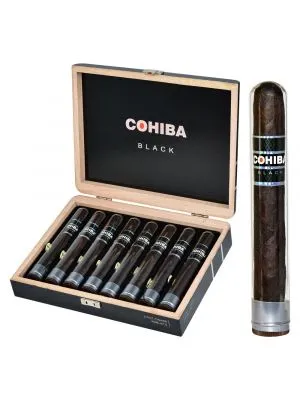
| Cohiba Black Robusto Crystal | 5.5 x 50 | CT Broadleaf Maduro | Med-Full | $18.62 |
| Davidoff Signature 2000 | 5 x 43 | Ecuadorian CT | Mellow | $19.64 |
| Padrón 1926 No. 9 Maduro | 5.25 x 56 | Nicaraguan Maduro | Full | $24.50 |
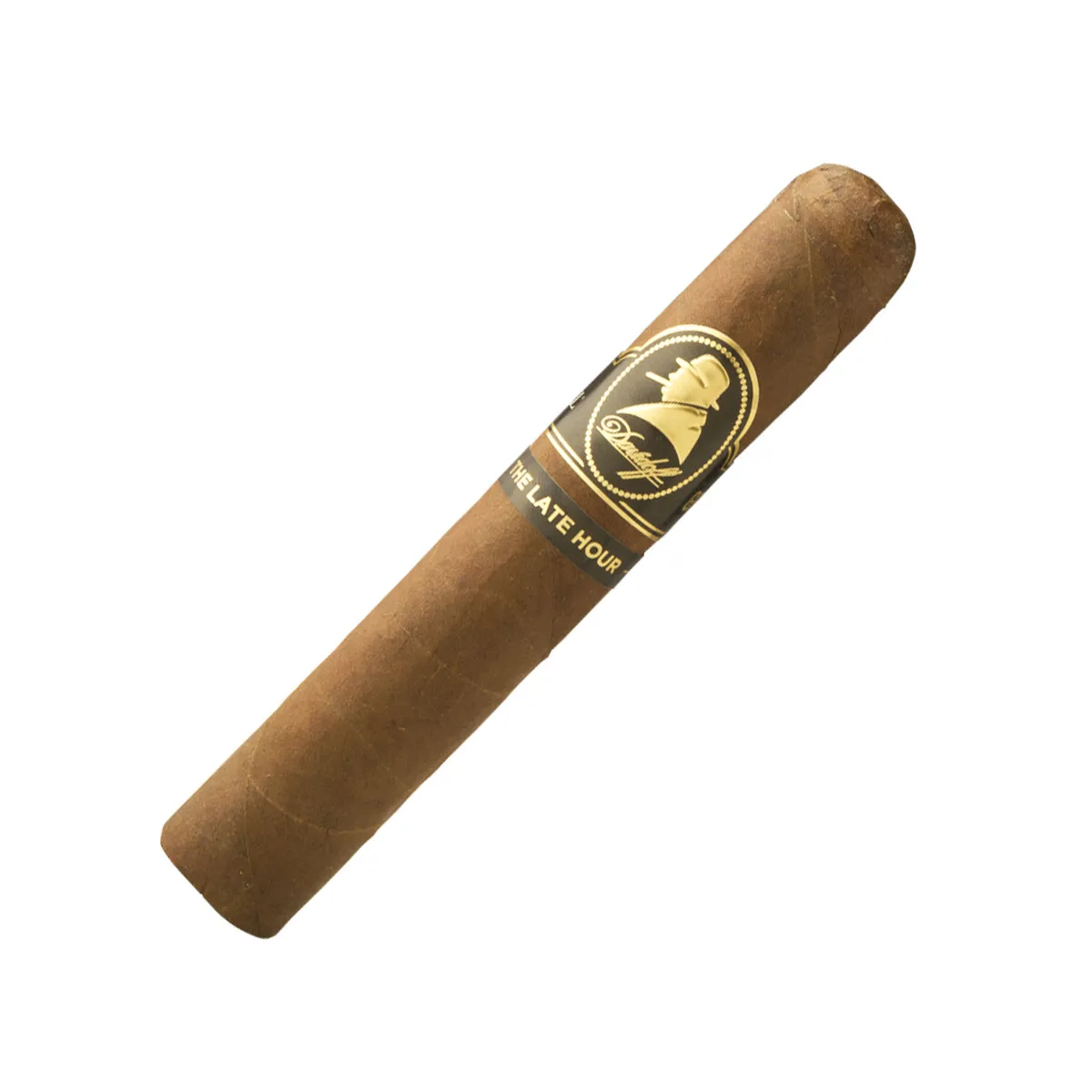
| Davidoff W. Churchill Late Hour | 5 x 52 | Ecuadorian Habano | Med-Full | $28.60 |
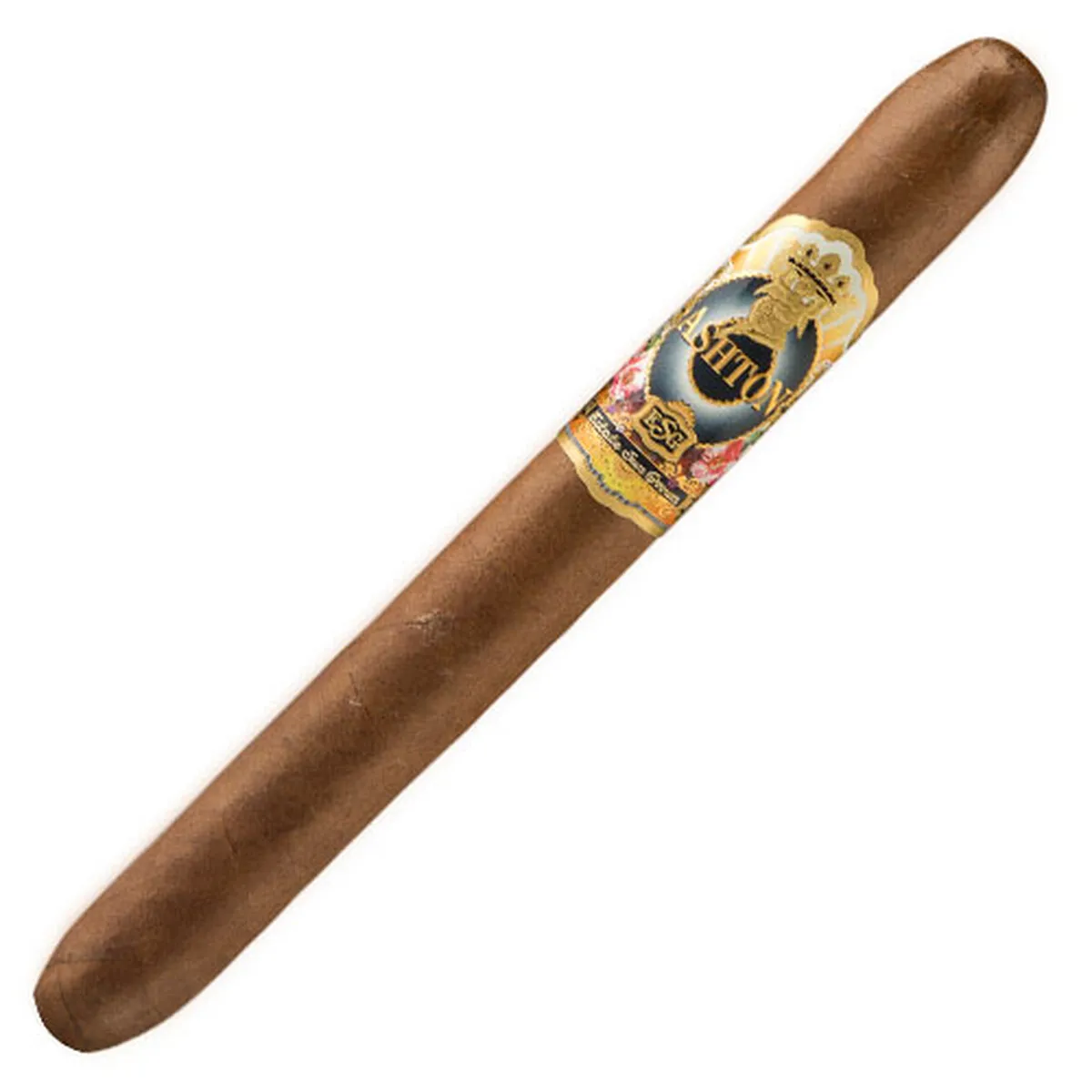
| Ashton ESG 24-Year Salute | 6.6 x 46 | Dominican Sungrown | Med-Full | $29.32 |
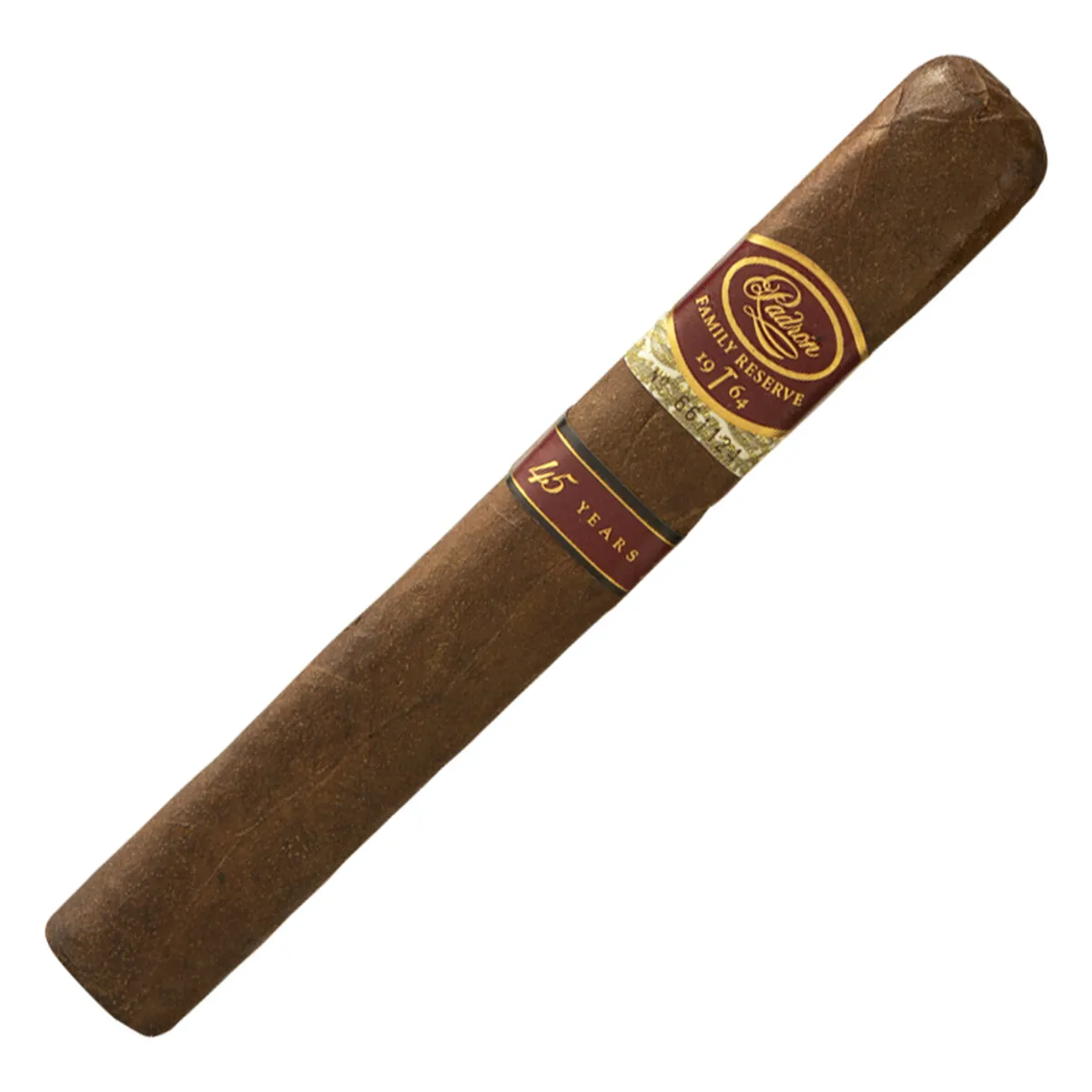
| Padrón Family Reserve 45 Maduro | 6 x 52 | Nicaraguan Maduro | Medium | $31.70 |
Under $8 a Stick: The Daily Drivers
This is the tier that matters most and gets written about least, because there’s no glamour in it. These are the cigars you actually burn through. The rule down here is simple: buy the box, rest them properly, and stop apologizing for smoking a $4 cigar. Two of these outperform sticks at triple the price.
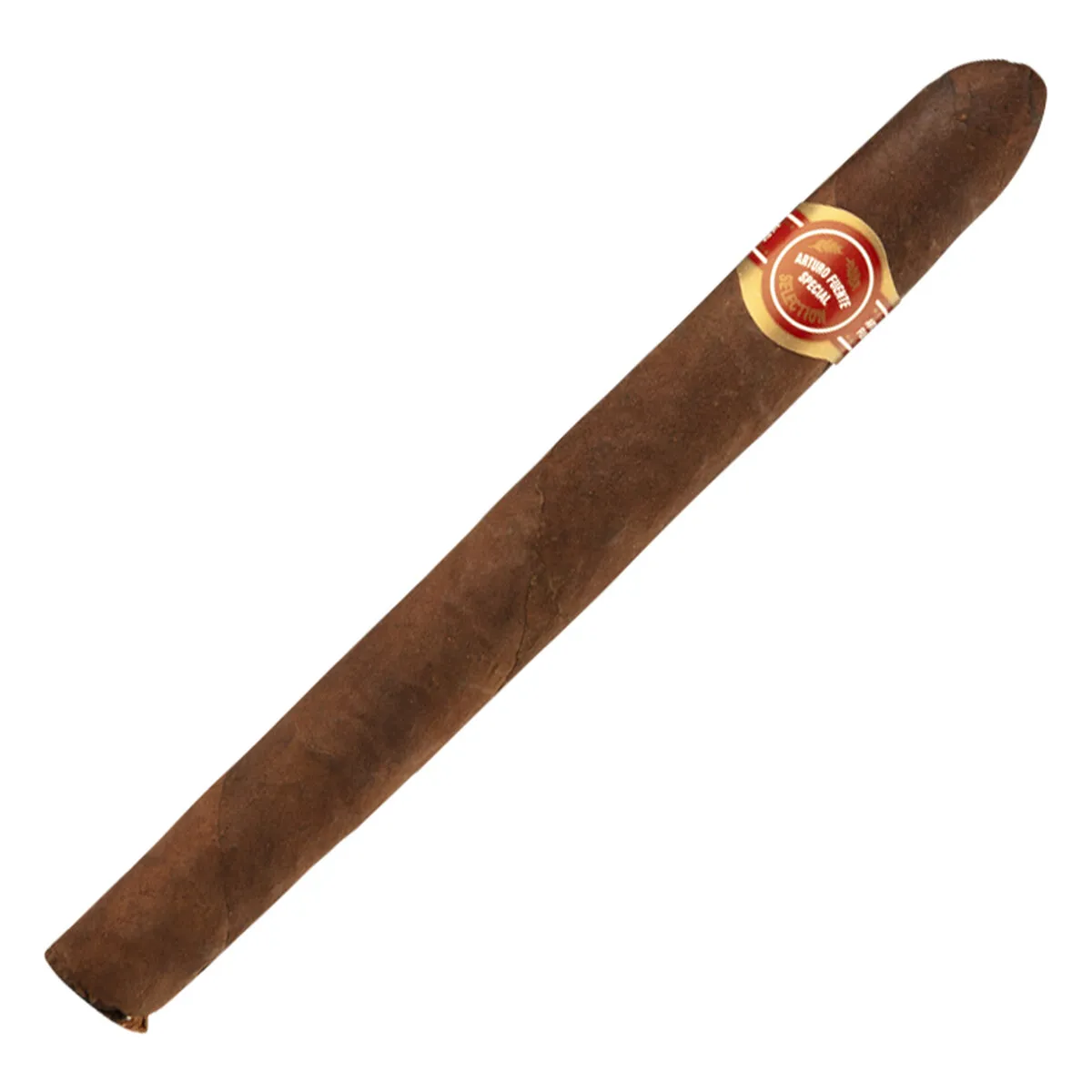
Arturo Fuente Curly Head Deluxe Maduro
6.5 x 44 Lonsdale · Connecticut Broadleaf Maduro / Dominican / Dominican · Tabacalera A. Fuente, Santiago
This is the best-kept secret in the entire Fuente catalog, and it’s the answer to the question “what am I supposed to smoke on a Tuesday.” It comes out of the same Santiago factory that rolls OpusX, built from leaf that didn’t get selected for the marquee lines, and it costs less than a beer at a decent bar.
The Broadleaf wrapper does most of the work here: soft cocoa sweetness, a little cedar, and none of the nicotine slap you’d expect from a maduro. The 44 ring gauge is a bigger part of why it works than people give it credit for. It keeps the wrapper-to-filler ratio high, so you taste that Broadleaf the whole way down instead of drowning it in filler the way a 60-ring would.
At a shade under $90 for twenty-five, this is the cheapest legitimate box on this page. Not the cheapest cigar. The cheapest box worth owning. If you smoke daily and you’ve been burning $9 sticks doing it, this is where you claw that money back.
These ship dry more often than not, and a dry Curly Head is a tight, bitter, disappointing cigar that will make you think we lied to you. Give them three to four weeks at 65 to 68 percent before you pass judgment. They transform. This is far and away the most common reason people write this cigar off, and it is entirely fixable with patience you were going to have anyway.
Where to go from here: The floor of this list, and the cheapest box worth owning. Step up: #4 Hemingway Short Story ($7.16), same Santiago factory, better leaf, twice the cigar.
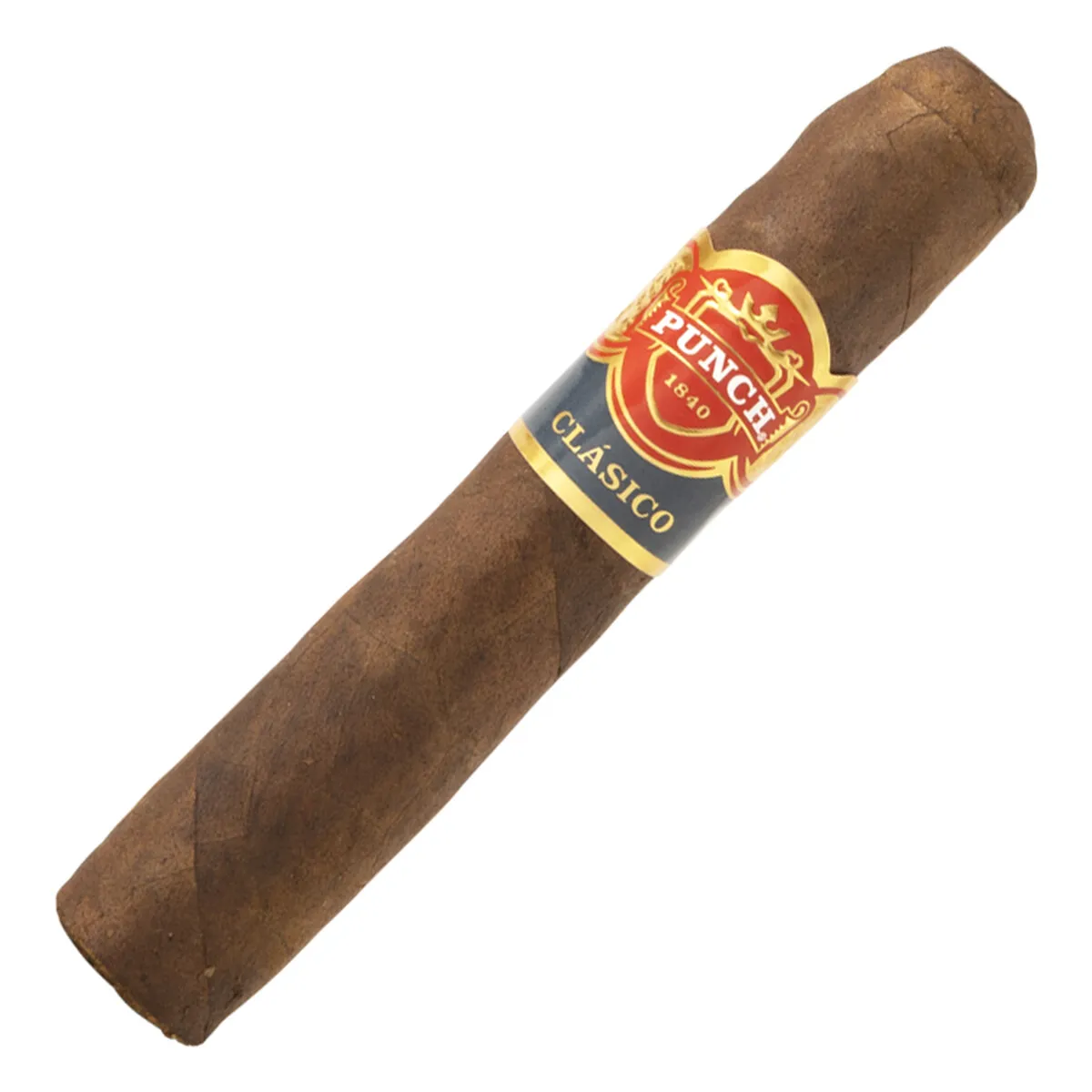
Punch Rothschild Maduro
4.5 x 50 Rothschild · Connecticut Broadleaf Maduro / Connecticut Shade / Dominican, Honduran & Nicaraguan · Honduras
Punch has been making this cigar essentially unchanged for decades and it remains one of the great honest values in the humidor. Four and a half inches of Broadleaf-wrapped Honduran tobacco that gives you a genuine medium-to-full smoke in about forty minutes. It is not subtle and it isn’t trying to be.
What you get is leather, black pepper, a dark chocolate sweetness off the maduro wrapper, and a finish with real length to it. The Honduran filler brings a spice that most Dominican budget sticks simply don’t have, which is exactly why this thing punches so far above five dollars.
Note the box of fifty. Punch is one of the last brands selling in that quantity, and at $246 for fifty cigars you’re stocking a humidor drawer for the price of two Padróns.
Because everyone needs a cigar for when they’ve got forty minutes, not ninety. Most people’s rotation is badly overweighted toward toros and churchills they don’t have time to finish, then they stub out a $15 stick halfway through and feel terrible. Keep a box of these around for the short window and you’ll smoke better cigars, more often, with less waste.
Where to go from here: Sideways: #5 Oliva Serie G Maduro ($7.58) for more interesting tobacco at the same money. Step up: #6 Undercrown Maduro ($8.40) if it is the dark, sweet maduro richness you are chasing.
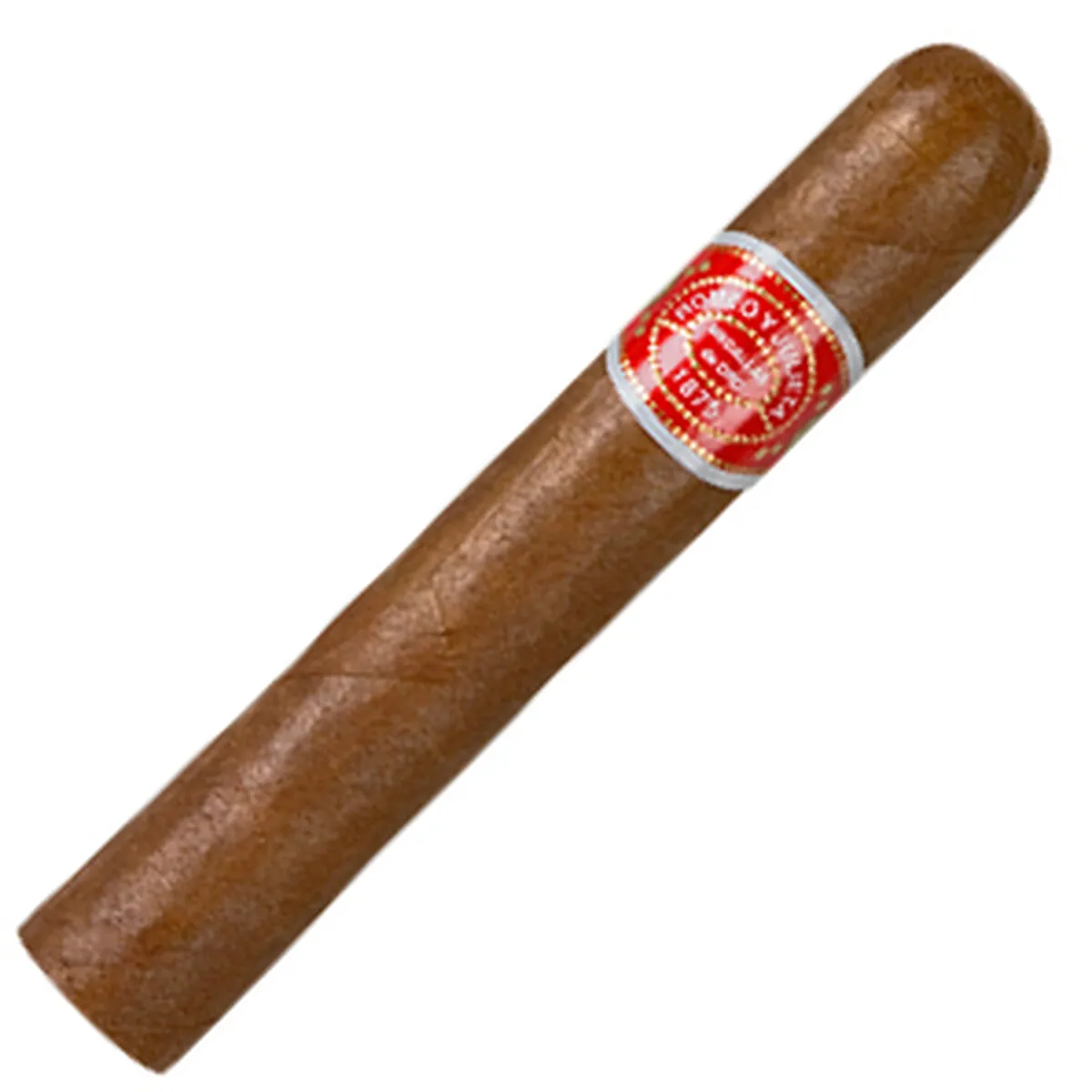
Romeo y Julieta 1875 Bully
5 x 50 Robusto · Indonesian / Dominican / Dominican · Tabacalera de García, Dominican Republic
The 1875 is the cigar that gets handed to you at weddings, and there’s a reason: it is almost impossible to dislike. Indonesian wrapper over Dominican guts, medium all the way through, with a nutty, toasty, faintly sweet profile and a burn line that behaves itself.
Being straight with you, this is not a cigar that will surprise you. It is a cigar that will never let you down, which at seven dollars is arguably the more useful trait. It comes out of Tabacalera de García in La Romana, the largest premium cigar factory on earth, and that scale is exactly why the construction is so consistent.
If you keep a box in the humidor for guests, keep this one. It flatters the person smoking it and it doesn’t ambush anybody.
This is a competent cigar, not an exciting one. If you’ve been smoking for years and you want something that does something, the Oliva Serie G two spots down is more interesting tobacco for fifty cents more. The 1875 earns its place here on reliability and on being the safest cigar to hand a stranger, not on flavor complexity. Buy it knowing which job you’re hiring it for.
Where to go from here: Step up: #5 Oliva Serie G Maduro ($7.58) is fifty cents more and considerably more interesting. Step up hard: #13 Montecristo Espada ($15.60) if you want refined rather than merely reliable.
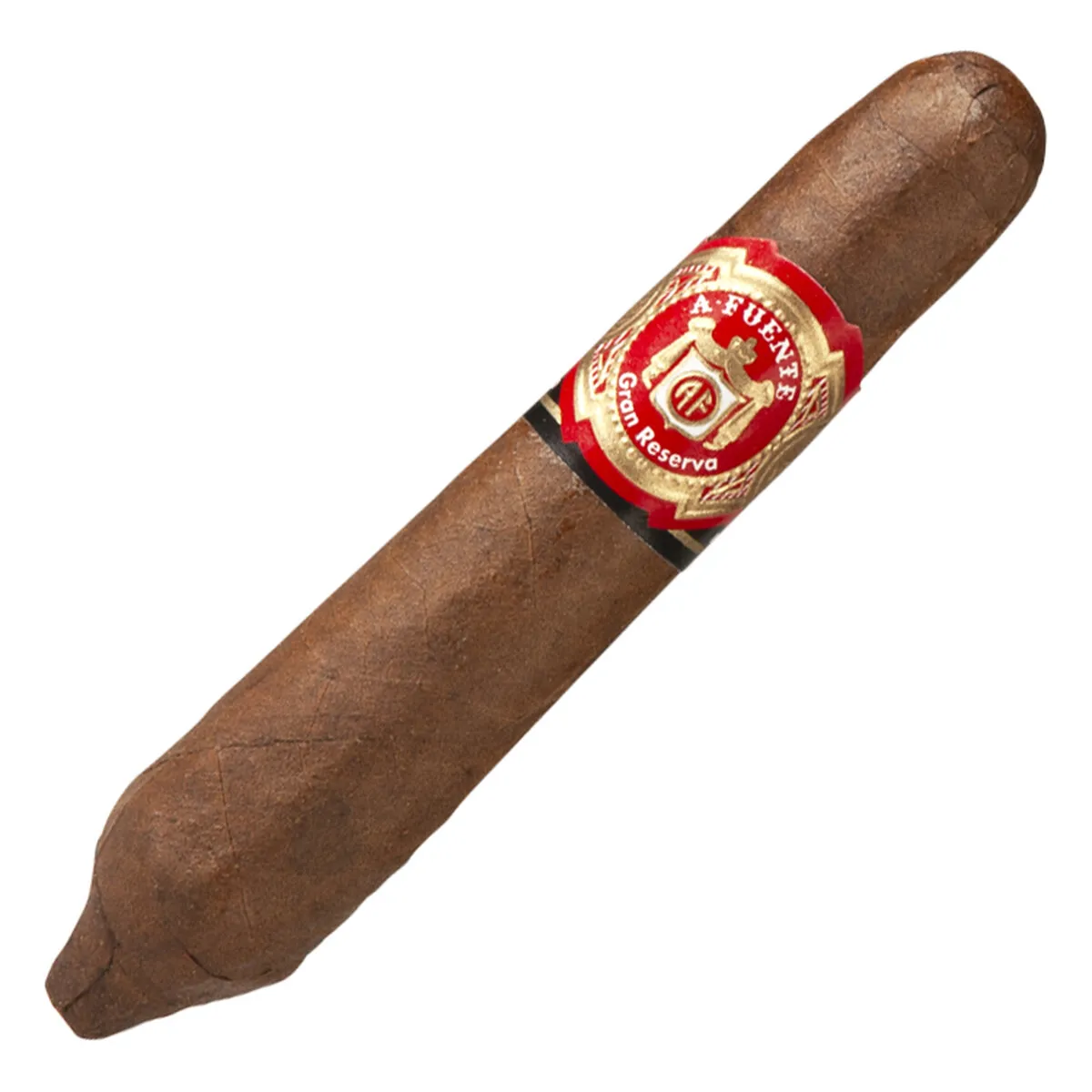
Arturo Fuente Hemingway Short Story
4 x 49 Perfecto · Cameroon / Dominican / Dominican · Tabacalera A. Fuente, Santiago
One of the genuinely great cigars ever made, and it’s four inches long and costs seven dollars. The Short Story is a perfecto, tapered at both ends, which means the ring gauge changes as you smoke and the flavor concentrates as you go. That shape is the entire point and it’s why this cigar has a cult.
The Cameroon wrapper is the star: a leaf that’s getting harder to source every year, and one that gives you a distinctive sweet-and-spicy, faintly leathery profile you simply cannot get from Ecuadorian or Connecticut leaf. It starts gentle, gathers itself around the halfway mark, and finishes richer than it started.
Forty-five minutes, start to finish. There is no better cigar to hand someone who thinks they don’t like cigars.
Cameroon wrapper is one of the rarest leaves in the business, and Fuente locked up a huge share of the world supply years ago. That’s why Cameroon shows up across their range, from this seven-dollar Short Story right up to the Don Carlos at $11 and beyond. You are smoking the same wrapper leaf on both. That is not something you can say about many brands, and it’s a large part of why Fuente offers the best price-to-quality ladder in cigars.
Where to go from here: Step up: #8 Don Carlos No. 3 ($11.24). Same Cameroon wrapper, older filler, more of everything. It is the natural next rung on the Fuente ladder.
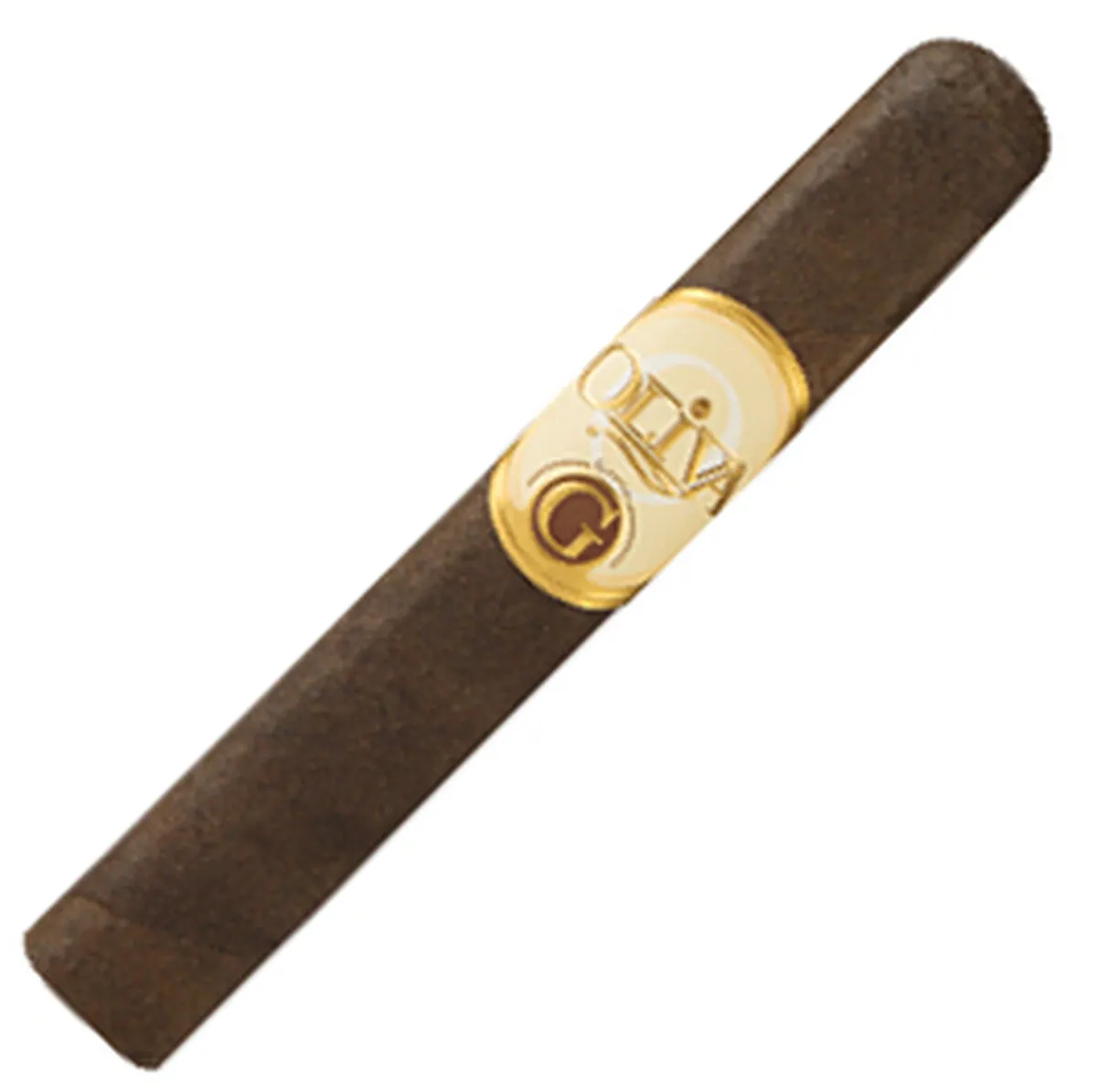
Oliva Serie G Maduro Robusto
4.5 x 50 Robusto · Connecticut Broadleaf / Cuban-seed Habano / Nicaraguan Habano · Tabacalera Oliva, Estelí
The Serie G is where Oliva proves the point they’ve been making for twenty years: that Nicaraguan tobacco doesn’t need to cost fifteen dollars to be worth smoking. This is the maduro version, wrapped in Connecticut Broadleaf over a Cuban-seed Habano binder and Nicaraguan Habano filler.
The result is more interesting than its price has any right to be. Espresso and dark cocoa off the Broadleaf, then a real Nicaraguan pepper underneath that keeps the sweetness honest. Medium bodied, but with a depth that most medium cigars at this price never reach.
Oliva’s construction is the quiet advantage. They roll in Estelí with their own tobacco, and the draw on these is right basically every time, which is not something you can say about most sub-$8 maduros.
Coffee, and this is not a throwaway suggestion. The Broadleaf-and-Nicaraguan-Habano combination lands almost exactly where a dark roast does, and the two amplify each other rather than fight. If you’re smoking in the evening instead, an honest mid-shelf bourbon works better here than anything peated or heavily sherried. Save your Islay for the full-bodied stuff further down the page.
Where to go from here: Step up: #11 Oliva Serie V Melanio ($13.10). Same factory, same family, the top of what Oliva can do. Step down: #1 Curly Head Deluxe ($3.59) if you just want volume.
$8 to $14: The Sweet Spot
If you only read one section, read this one. This is where the price curve and the quality curve are closest to parallel, and where a few of these will hold their own against cigars at twice the money in a blind smoke. Everything above this band is buying you refinement. Everything in this band is buying you tobacco.
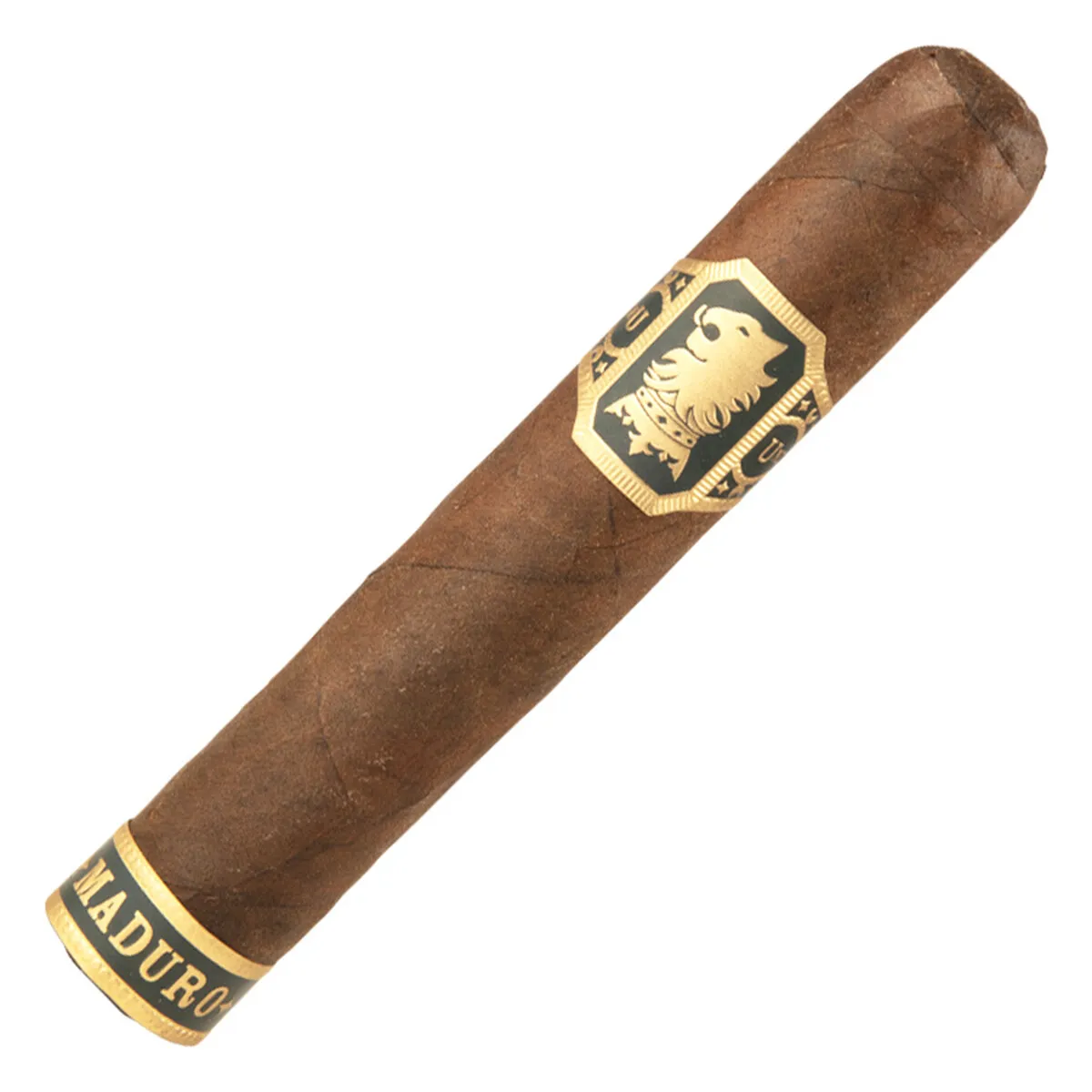
Undercrown Maduro Robusto
5 x 54 Robusto · Mexican San Andrés Negro / Connecticut Habano / Brazilian & Nicaraguan · Drew Estate, Estelí
The origin story here is the best in the business and it happens to be true. Drew Estate’s torcedores kept sneaking Liga Privada offcuts to roll cigars for themselves after hours. Rather than stop them, Drew Estate turned it into a product. That’s Undercrown.
What that means practically is that you’re smoking a cigar built by the same hands, in the same factory, from the same tobacco farms as Liga Privada No. 9, for half the money. It is not the same blend. The San Andrés wrapper is darker and sweeter than the No. 9’s Broadleaf, and the whole thing leans more toward cocoa and espresso than the No. 9’s earth and pepper.
But it is unmistakably from the same family, and at $8.40 it is the single best entry point into Drew Estate that exists.
Because it settles an argument. People will tell you the No. 9 at $17 is twice the cigar this is. It isn’t. It’s a better cigar, and if you smoke them back to back you’ll taste why, but the gap is nothing like the price gap. Smoke the Undercrown for a month and then decide whether the No. 9 is worth doubling your spend. Most people find the honest answer is “sometimes.”
Where to go from here: Step up: #15 Liga Privada No. 9 ($16.96), the cigar this one is descended from. Smoke them back to back before you decide the extra $8.56 is worth it.
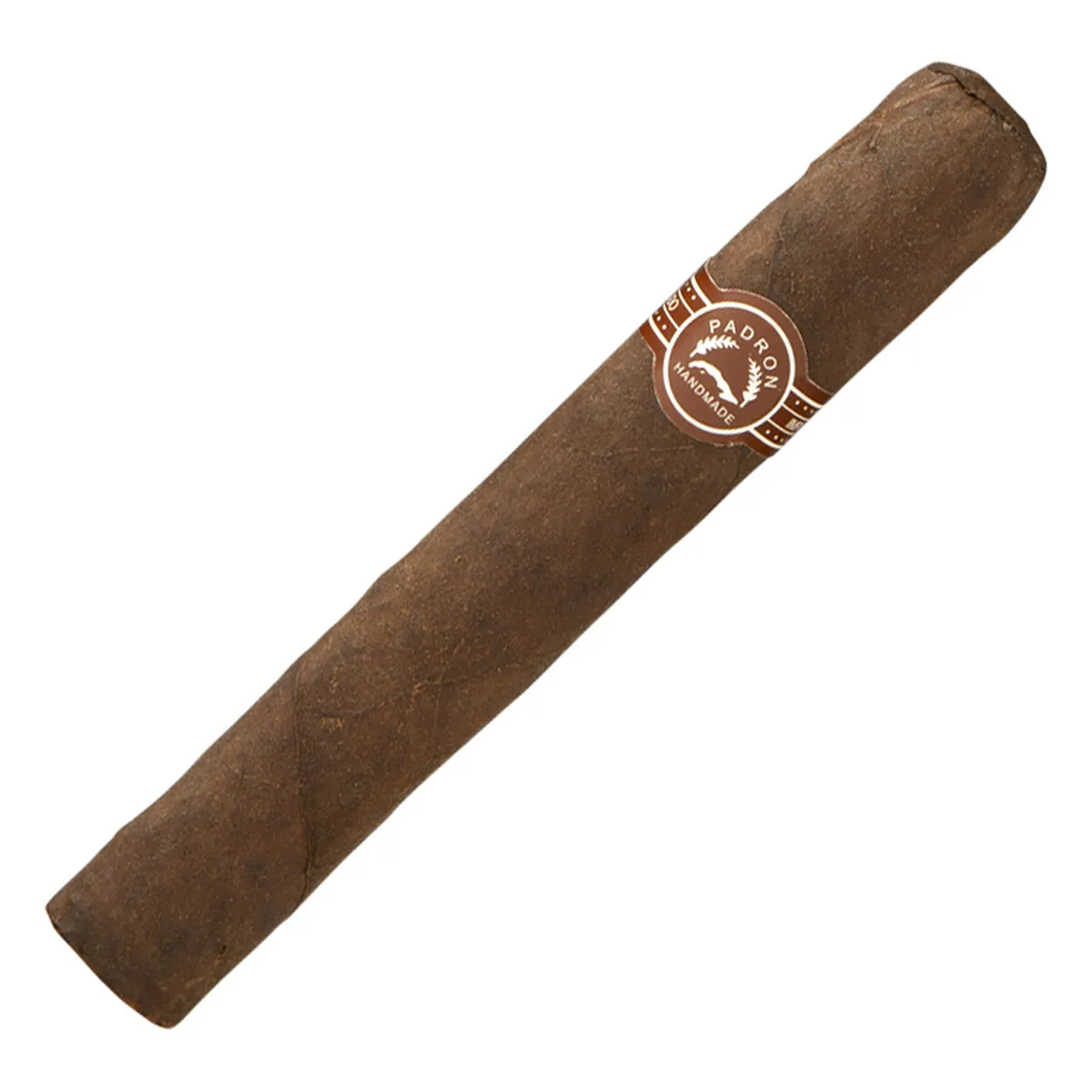
Padrón 2000 Maduro
5 x 50 Robusto · Nicaraguan puro · Tabacalera Padrón, Estelí
Every Padrón conversation eventually arrives at the 1964 and the 1926, and every Padrón conversation should start here. The 2000 is the workhorse of the family line, a Nicaraguan puro from Padrón’s own farms, and it delivers a genuinely startling amount of what makes the expensive ones great for a third of the money.
Cocoa, earth, black pepper, a coffee-bean bitterness in the best sense of that word. It’s medium-to-full, it’s round rather than box-pressed, and it does not have the five-year aging or the refinement of the Anniversary lines. What it does have is the same tobacco, from the same soil, sorted by the same people.
If you want to understand why smokers get religious about this family, buy a box of these before you spend $400 on the 1964.
Padrón’s naming is confusing on purpose and it costs people money. The numbered series (2000, 3000, 5000) is the affordable everyday line. The 1964 Anniversary and 1926 Serie are the aged, box-pressed premium lines, and Family Reserve sits above both. They all say Padrón on the band. Know which one you’re buying, because the price range across them runs from $9 to over $30 a stick and the shop is not going to stop you.
Where to go from here: Step up: #14 Padrón 1964 Exclusivo ($16.40), the aged, box-pressed version of this idea. Step up further: #18 Padrón 1926 ($24.50).
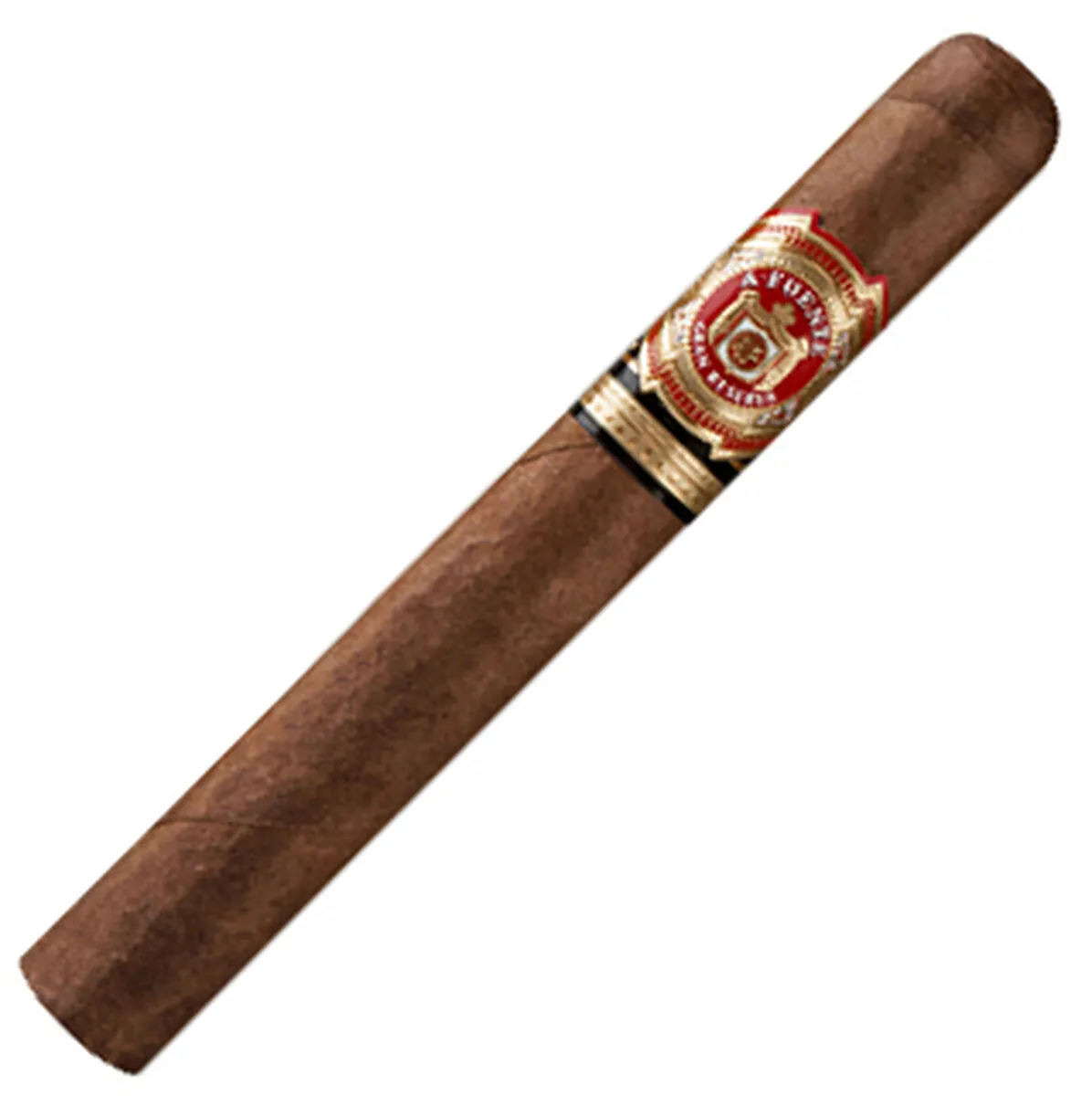
Arturo Fuente Don Carlos No. 3
5.5 x 44 Corona Gorda · Cameroon / Dominican / Dominican · Tabacalera A. Fuente, Santiago
Named for Carlos Fuente Sr., and it’s the cigar the family reportedly reaches for themselves. The Don Carlos is where that Cameroon wrapper stops being a pleasant novelty and starts doing serious work, over aged Dominican filler from Fuente’s private reserve.
The No. 3 is the size to get. At 44 ring, it’s the most concentrated expression of the blend, and the narrow gauge means the wrapper contributes proportionally more flavor than it does in the fatter vitolas. You get spice, cedar, a sweet nuttiness, and a leathery depth that keeps unfolding for an hour.
This is a genuinely complex cigar at eleven dollars, and it is the point on this list where “cheap” stops being part of the description.
you like big ring gauges. The whole argument for the No. 3 is that 44 ring, and if your palate has been calibrated on 54s and 60s for the last five years, a corona gorda can read as thin rather than concentrated. That’s a real preference, not a failure of taste. If you know you’re a big-ring smoker, take the Don Carlos Robusto or the Double Robusto instead and pay a little more for the girth you’ll actually enjoy.
Where to go from here: Step down: #4 Hemingway Short Story ($7.16), same Cameroon wrapper for $4 less. Step up: #20 Ashton ESG ($29.32), wrapper from the same Fuente estate that grows OpusX.
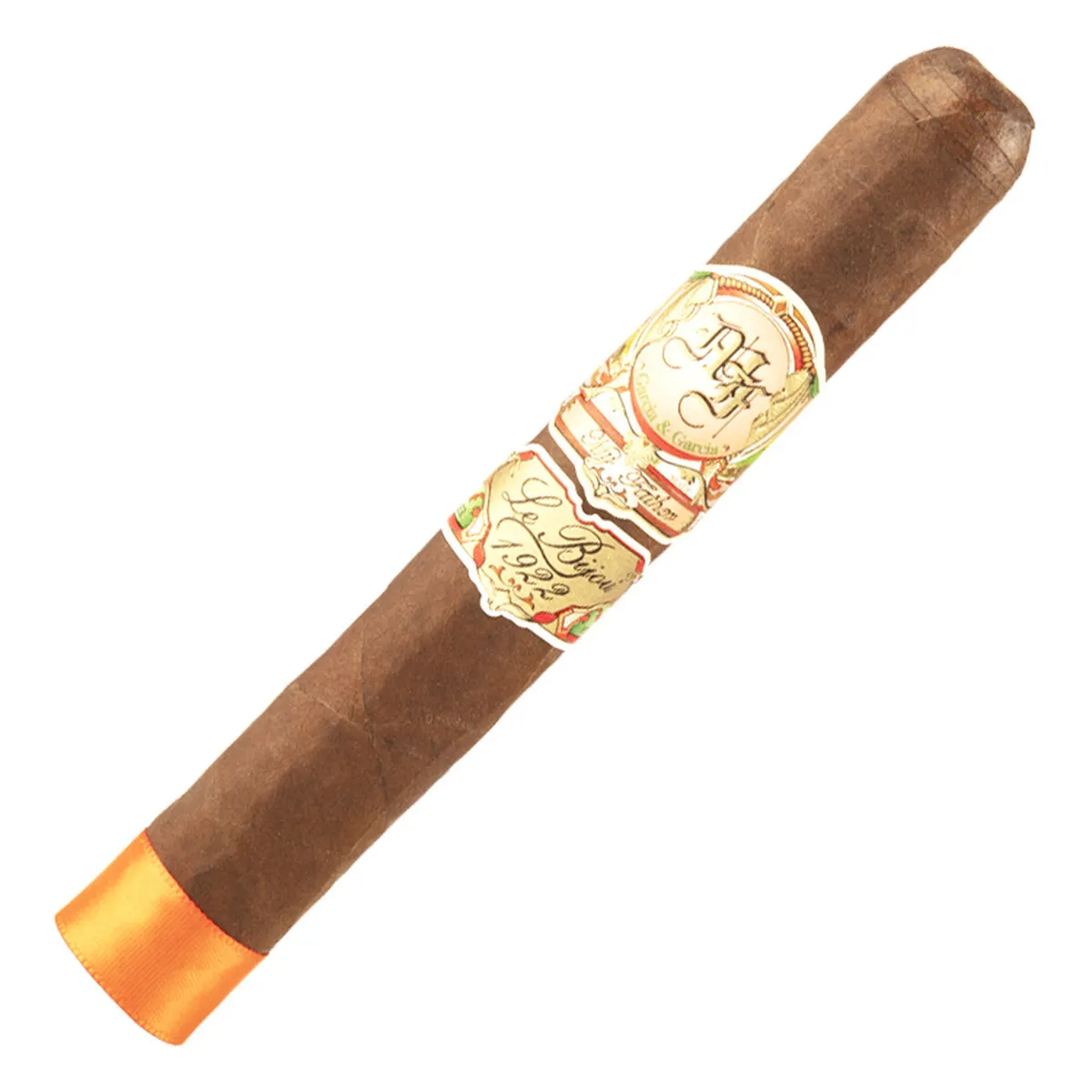
My Father Le Bijou 1922 Toro
6 x 52 Toro · Nicaraguan Habano Oscuro / Nicaraguan / Nicaraguan · My Father Cigars, Estelí
Cigar Aficionado’s Cigar of the Year in 2015, and the cigar that established José “Pepín” García and his son Jaime as the most important blending family working today. Le Bijou is a Nicaraguan puro under a dark Habano Oscuro wrapper, and it is unapologetically full.
Pepper leads, hard, in the first inch. Then it settles into cocoa, espresso, black cherry, and a rich earthiness that stays with you. The García house style is right here on display: intense, oily, perfectly constructed, and completely uninterested in being gentle with you.
The toro at $11.39 is the value size in the line. It’s also the size the blend was clearly built around.
Le Bijou rewards patience more than almost anything else in this price band. Fresh off the truck these can smoke hot and one-dimensionally peppery, and plenty of people have written the cigar off on that first impression. Six to eight weeks in the humidor and the pepper recedes into the background and the cocoa and cherry come forward. It becomes a substantially better cigar. Buy the box, smoke one, then leave the rest alone for two months.
Where to go from here: Step down: #6 Undercrown Maduro ($8.40) for full-bodied on a budget. Sideways: #10 Alec Bradley Prensado ($12.21), a very different route to the same intensity.
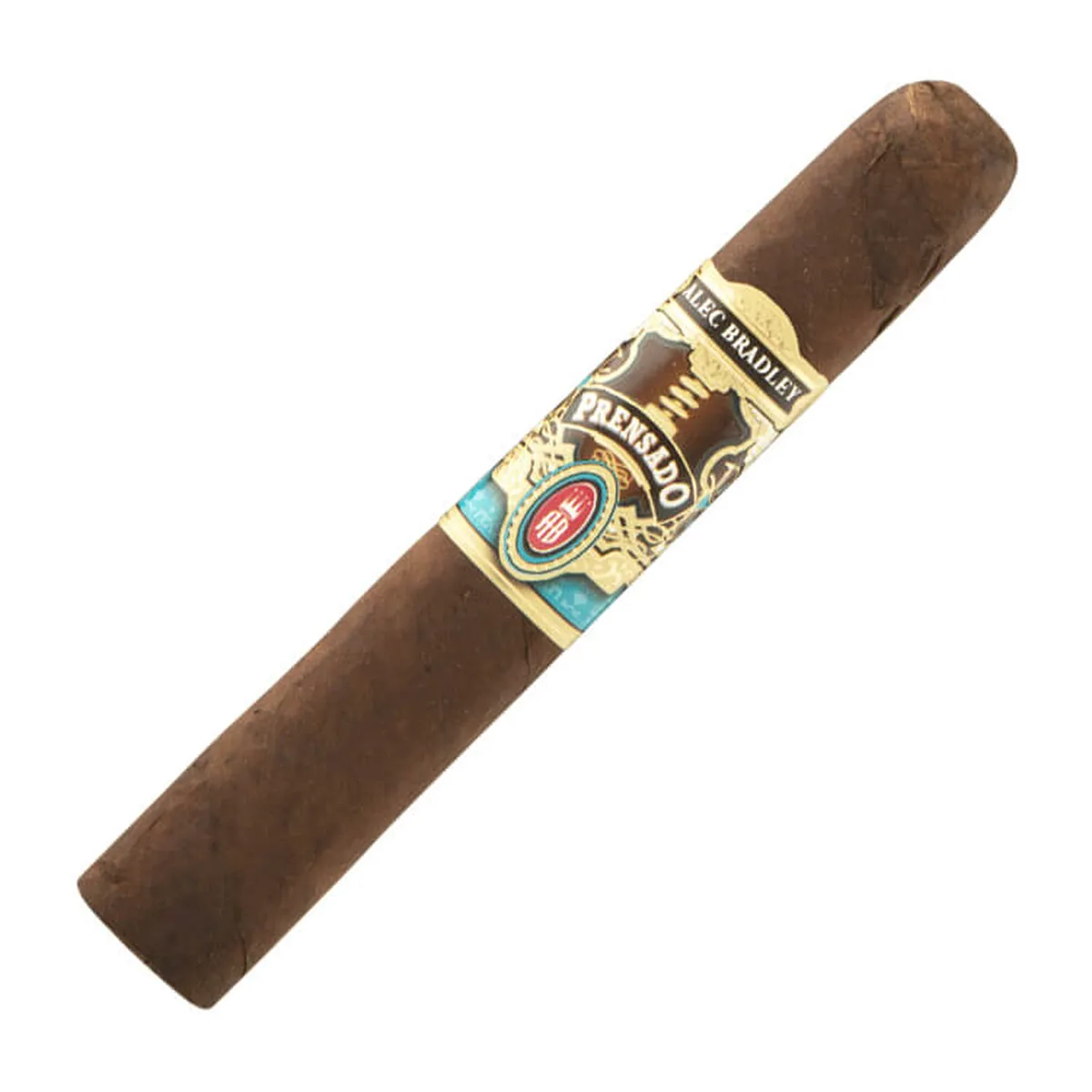
Alec Bradley Prensado Robusto
5 x 50 Robusto · Honduran Trojes / Nicaraguan / Honduran & Nicaraguan · Raíces Cubanas, Honduras
The Prensado won Cigar of the Year in 2011 and effectively saved the company, which had been close to going under. It is still the best thing Alec Bradley makes and it’s the cigar that put Honduran Trojes tobacco on the map.
Trojes is grown in a remote valley on the Nicaraguan border, and it produces a wrapper leaf with an oily richness and a distinct sweet-earth quality that you don’t get anywhere else. Underneath it, Honduran and Nicaraguan filler brings pepper, leather and a woody depth.
Medium-to-full, box-pressed, and about ninety minutes of genuinely absorbing smoking. This is a cigar with an actual arc to it, not a flat line.
The Prensado’s Cigar of the Year win is one of the great business turnarounds in the industry. Alan Rubin had reportedly been reduced to selling cigars out of the back of his car and was seriously considering folding the company. The 2011 award reversed it overnight. Worth knowing when you light one: this is the cigar that a man bet his entire business on and won.
Where to go from here: Sideways: #9 My Father Le Bijou ($11.39). Nearly the same money, comparable intensity, completely different tobacco. If you like one, try the other.
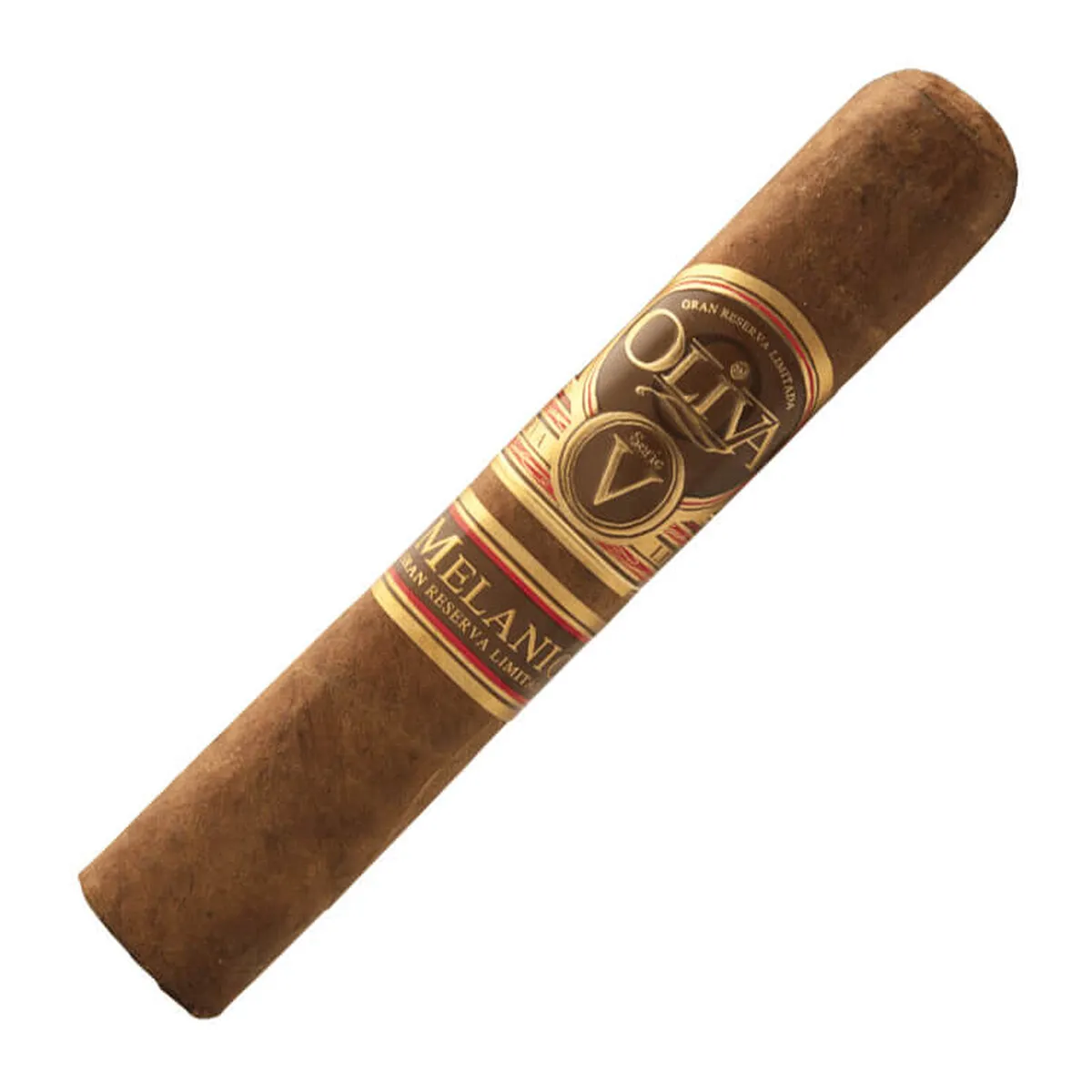
Oliva Serie V Melanio Robusto
5 x 52 Robusto · Ecuadorian Sumatra / Nicaraguan / Nicaraguan Jalapa ligero · Tabacalera Oliva, Estelí
Cigar Aficionado’s Cigar of the Year in 2014, and unlike a lot of cigars that win that award, it did not immediately get worse. The interesting thing about the Melanio is what the Ecuadorian Sumatra wrapper does to it.
Underneath, this is a genuinely aggressive blend built on Jalapa ligero, the highest-priming, highest-nicotine leaf on the plant. That should be a sledgehammer. The Sumatra wrapper sands the edges off it instead, so what actually lands is espresso, cracked black pepper, and a sweet cedar finish that keeps developing right through the final third.
Worth being precise, because most writeups get this wrong: this is full strength and full body. Those are different things. Plenty of cigars taste huge and won’t touch you. This one tastes huge and absolutely will.
Oliva sells it in tens rather than twenty-fives, which is quietly one of its best features. It keeps the cost of committing to a box at $131 instead of $325.
you’re smoking on an empty stomach, or you’re the guy who reaches for a Connecticut shade after dinner. This is not a “well, I’ll just try one” cigar. If your regular rotation tops out at a Macanudo, start at number 4 on this list and work your way up. The Melanio will not be a pleasant introduction to full-bodied smoking. It will be an ambush.
Where to go from here: Step down: #5 Oliva Serie G Maduro ($7.58), same factory, half the price, most of the character. Step up: #15 Liga Privada No. 9 ($16.96) for the full-bodied benchmark.
$14 to $25: Worth the Occasion
Here’s where you start paying for aging, for sorting, and for the top few percent of the crop. The tobacco isn’t necessarily better than the sweet spot band. It’s more selected, and it’s had more time. Whether that’s worth doubling your per-stick spend depends entirely on whether you’re smoking to relax or smoking to pay attention.
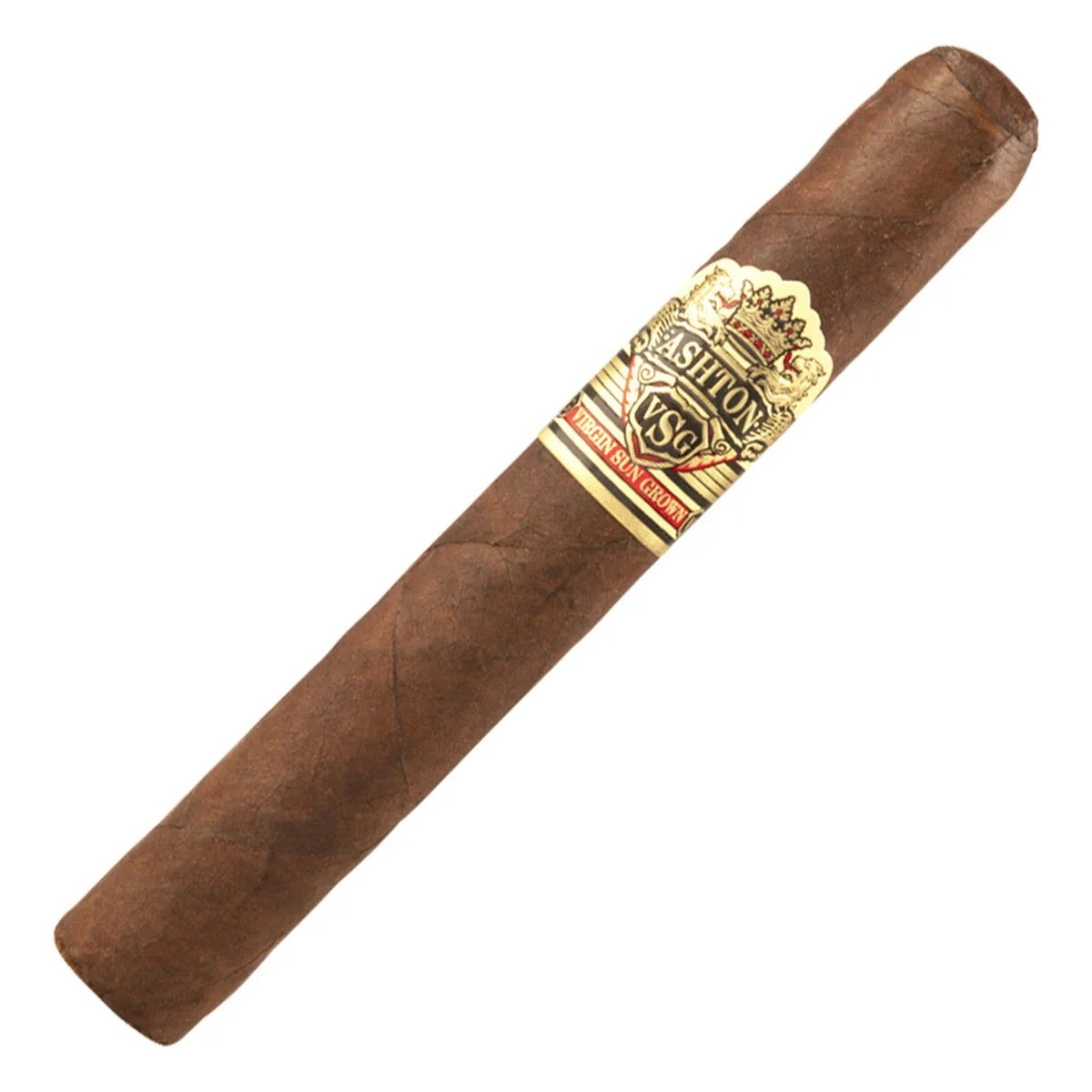
Ashton VSG Robusto
5.5 x 50 Robusto · Ecuadorian Sumatra / Dominican / Dominican · Tabacalera A. Fuente, Santiago
VSG stands for Virgin Sun Grown, and here’s the thing people miss about Ashton: they don’t own a factory. Every Ashton is rolled by Fuente in Santiago. So what you’re smoking is Fuente craftsmanship applied to a blend Ashton specified, and the VSG is the one where they told Fuente to stop being polite.
The Ecuadorian Sumatra wrapper is grown in full sun rather than under shade, which thickens the leaf and concentrates it. The result is a genuinely full, oily, rich cigar: espresso, dark chocolate, cinnamon, a peppery core, and a sweetness that keeps it from turning bitter.
Aged for extra time in cedar before release, which you can smell the second you open the chest.
The VSG is the cigar that quietly disproves the “Ashton is a beginner’s brand” line you’ll hear in every lounge. That reputation comes from the Ashton Classic, which is a mild Connecticut shade cigar and is genuinely a starter smoke. The VSG shares a name and nothing else. If someone tells you Ashton is mild, hand them one of these and enjoy the next twenty minutes.
Where to go from here: Step down: #6 Undercrown Maduro ($8.40) for full-bodied at a third of the cost. Step up: #20 Ashton ESG ($29.32), the same brand at the top of its range.

Montecristo Espada Guard
6 x 50 Toro · Nicaraguan Habano Jalapa (2010 vintage) / Habano Jalapa (2009) / Habano Jalapa & Condega ligero (2008) · Plasencia, Estelí
Let’s be honest about the non-Cuban Montecristo line: most of it trades on a name it inherited rather than earned, and the White and Platinum lines are priced well above what the tobacco justifies. The Espada is the exception, and it’s the exception because Montecristo handed the blend to Plasencia and got out of the way.
This is an all-Nicaraguan cigar built entirely from Jalapa valley tobacco with the vintages actually specified, which is unusual and worth respecting. 2010 wrapper, 2009 binder, 2008 filler. Jalapa is the valley that produces Nicaragua’s most refined, floral tobacco rather than its most aggressive, and that’s exactly what you taste: white pepper, cedar, a bright citrus note, and a smooth creaminess underneath.
It’s the most elegant Nicaraguan puro on this list, and it’s the only Montecristo we’d tell you to spend real money on.
You are still paying a Montecristo tax. Blind-taste this against the My Father Le Bijou at $11.39 and a lot of people will struggle to justify the extra four dollars, because both are Estelí-made Nicaraguan puros of serious quality. The Espada is more refined and less brawny, and if that’s what you want, it’s the right cigar. But some of that price is the band, not the leaf, and you should buy it knowing that.
Where to go from here: Step down: #9 My Father Le Bijou ($11.39). Also an Estelí-made Nicaraguan puro, $4.21 cheaper, and arguably the better cigar. Try both before committing to a box.
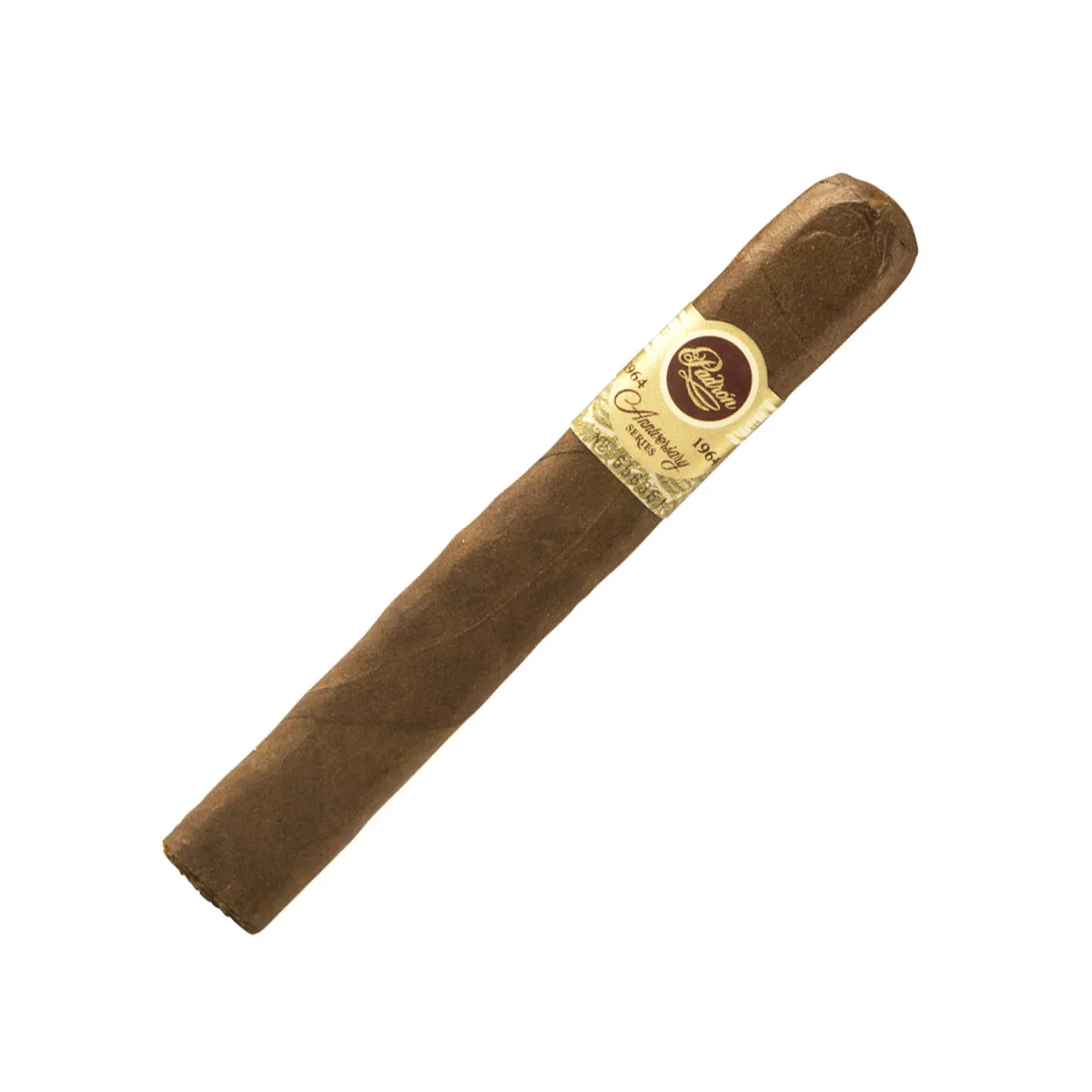
Padrón 1964 Anniversary Exclusivo Maduro
5.5 x 50 Box-pressed Robusto · Nicaraguan puro · Tabacalera Padrón, Estelí
If we could only keep one cigar on this page, it would be this one. The 1964 Anniversary was created to mark thirty years of Padrón and it remains the most complete cigar in the sub-$20 world: a Nicaraguan puro from the family’s own farms, aged four years, box-pressed by hand in the Cuban tradition.
What makes it exceptional isn’t any single flavor note, though the cocoa, espresso, walnut and gentle black pepper are all there in the right proportions. It’s the balance. Nothing in this cigar shouts. Every element sits exactly where it should, from the first third to the last, and the construction is so consistently flawless that it’s genuinely boring to write about.
Note the strength: JR rates it medium, and they’re right. This is a rich, full-flavored cigar that will not knock you over. That combination is much rarer than it sounds and it’s why the 1964 is the one you can smoke any day of the week.
The Exclusivo is the size to buy, and not just for the price. At 5.5 x 50 it’s the vitola the blend is best balanced in, and it’s the one Padrón smokers consistently reach for over the bigger Imperial and Diplomático. Also: the natural and the maduro are meaningfully different cigars, not just different wrappers. The maduro is sweeter and rounder. The natural is spicier and drier. If you only try one, try the maduro, but don’t assume you’ve tasted the line.
Where to go from here: Step down: #7 Padrón 2000 ($9.19), the same tobacco without the aging. Step up: #18 Padrón 1926 ($24.50) or #21 Family Reserve ($31.70) if you want to climb the whole ladder.
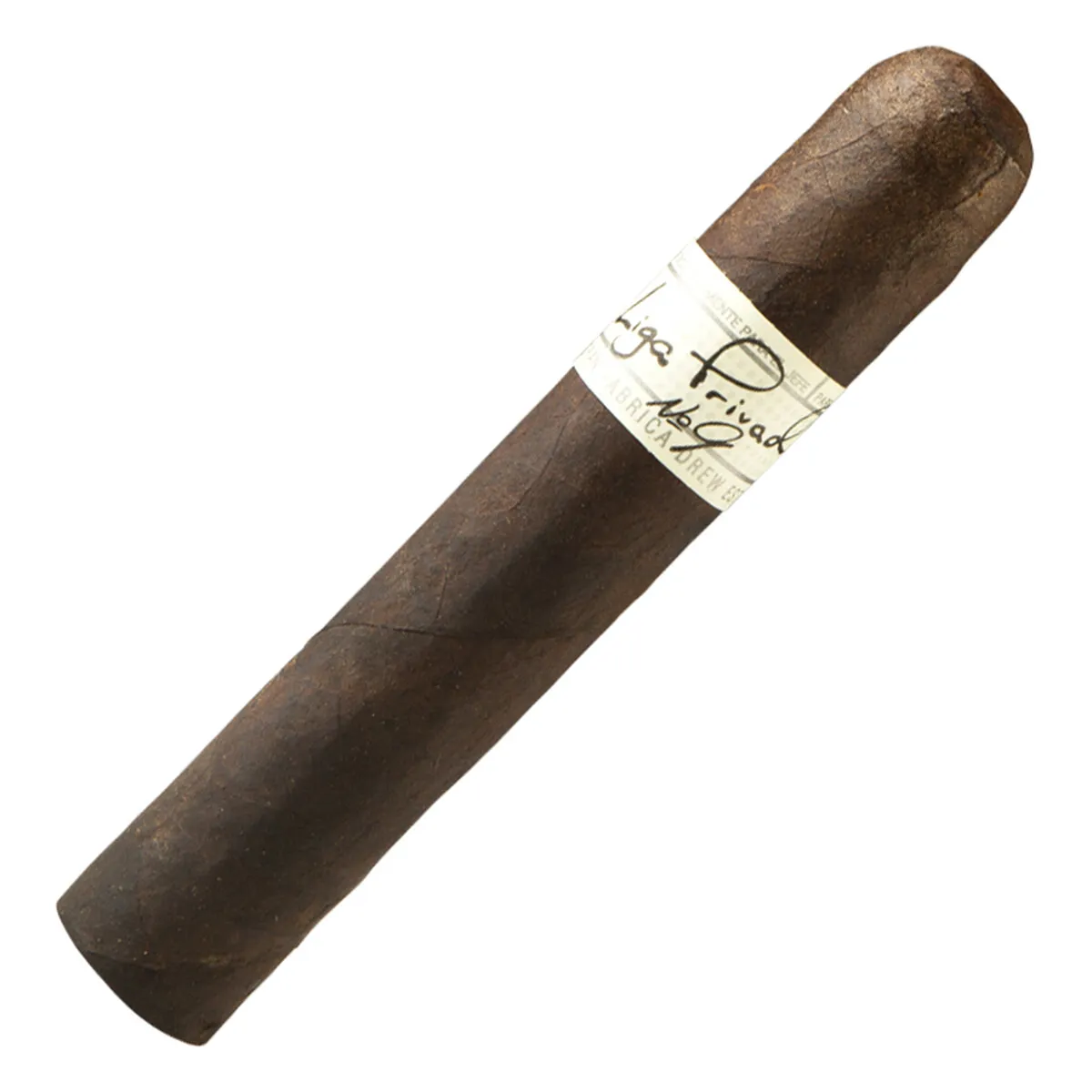
Liga Privada No. 9 Robusto
5 x 54 Robusto · Connecticut Broadleaf (No. 1 Dark) / Brazilian Mata Fina / Honduran & Nicaraguan · Drew Estate, Estelí
The cigar Jonathan Drew originally blended for himself and had no intention of selling. The name means “private blend,” and the story is that people kept smelling it in the factory and demanding to buy it until Drew Estate relented.
It earns the hype. The wrapper is Connecticut Broadleaf sorted to “No. 1 Dark,” which is the top grade and a tiny fraction of the crop. Under it sits Brazilian Mata Fina, a leaf almost nobody else uses, and that’s where the distinctive dark, sweet, almost sticky richness comes from. Earth, espresso, dark chocolate, black pepper, and a smoke output that’s genuinely startling the first time.
Full bodied and full strength. This is the benchmark full-bodied cigar in America and has been for over a decade.
Something with weight and sweetness. A cask-strength bourbon or a rich, sherried scotch. What you want to avoid is anything delicate: a light Speyside or a mild rye will simply be erased. This is one of the few cigars where an aggressively peated Islay actually works, because it’s the rare smoke with enough backbone to meet it. Coffee also works, but make it black and make it strong.
Where to go from here: Step down: #6 Undercrown Maduro ($8.40). Same factory, same farms, same hands, half the money. It is the single most useful comparison on this page.
Cohiba Black Robusto Crystal
5.5 x 50 Robusto · Connecticut Broadleaf Maduro / Connecticut Broadleaf / Dominican · General Cigar, Dominican Republic
First, the thing nobody else will tell you plainly: this is not a Cuban Cohiba and it never was. General Cigar owns the Cohiba trademark in the United States and makes an entirely separate range of cigars under it. Same name, different company, different tobacco, different everything.
Once you’ve made peace with that, the Black is the one in the non-Cuban range actually worth the money. The Broadleaf maduro wrapper gives you espresso, cocoa and a woody, hickory-ish sweetness, and the crystal tube keeps them in genuinely excellent condition. It’s a medium-to-full cigar with a nice oily richness.
It is on this page partly because it’s good and partly because Cohiba is the first name most people say when you ask them to name a cigar, and we’d rather point you at the good one.
You’re paying for the band. At $18.62, the Black is priced against the Padrón 1964 and the Liga Privada No. 9, and it is not the equal of either. It’s a good cigar carrying a great cigar’s price tag, and that gap is the trademark, not the tobacco. If brand matters to you, or you’re gifting to someone who’ll recognize the name, it’s a defensible buy. If you’re spending your own money purely on what’s in your mouth, the two cigars directly above it are better.
Where to go from here: Better value: #14 Padrón 1964 ($16.40) and #15 Liga Privada No. 9 ($16.96) both cost less and both out-smoke it. Buy the Cohiba for the name, not the leaf.
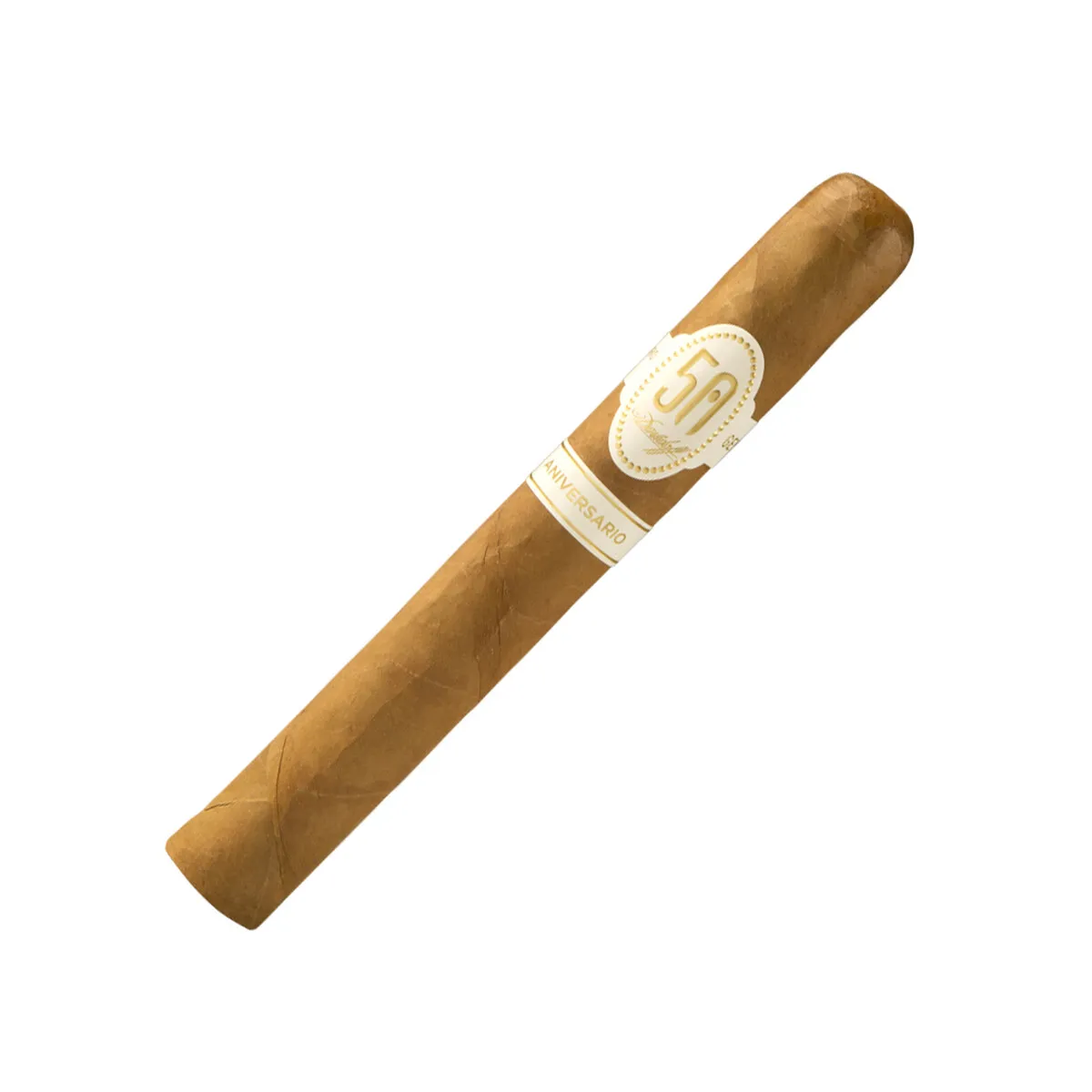
Davidoff Signature 2000
5 x 43 Corona · Ecuadorian Connecticut / Dominican / Dominican · Davidoff, Santiago
Here is a cigar that will annoy people who think price should track strength. The Signature 2000 is mellow. Deliberately, expensively, expertly mellow, and it costs nearly twenty dollars a stick.
What you’re paying for is refinement rather than power. Davidoff’s whole philosophy is built on the idea that a cigar should be a delicate thing, and the Signature line is the purest expression of it: cream, cedar, hay, a light nuttiness, a whisper of white pepper. The construction is immaculate. The burn is a laser. The ash holds forever.
This is a morning cigar, a golf-course cigar, a with-coffee-before-anyone-else-is-awake cigar. Judged against what it’s trying to be, it is close to perfect.
you measure a cigar by how hard it hits. You will smoke this, feel nothing, and conclude you’ve been robbed, and honestly that’s a fair reaction if strength is what you’re buying. Davidoff is a genuinely polarizing brand for exactly this reason. The people who love it are paying for precision and subtlety. The people who hate it are paying twenty dollars for a cigar that tastes like cream and hay. Know which of those two people you are before you buy a box.
Where to go from here: Step up: #19 Davidoff Winston Churchill The Late Hour ($28.60). Same precision, considerably more flavor, and the cigar that changes minds about Davidoff.
$25 and Up: The Flex Tier
Two honest things before you spend thirty dollars on a cigar. First, the quality curve has flattened out badly by now, and you are buying the last ten percent of refinement, which is always the most expensive ten percent. Second, this is where the marketing gets loudest and the value gets thinnest. Everything below is genuinely worth smoking. Almost none of it is worth what it costs, in any rational sense, and that’s fine. Nobody buys a cigar rationally.
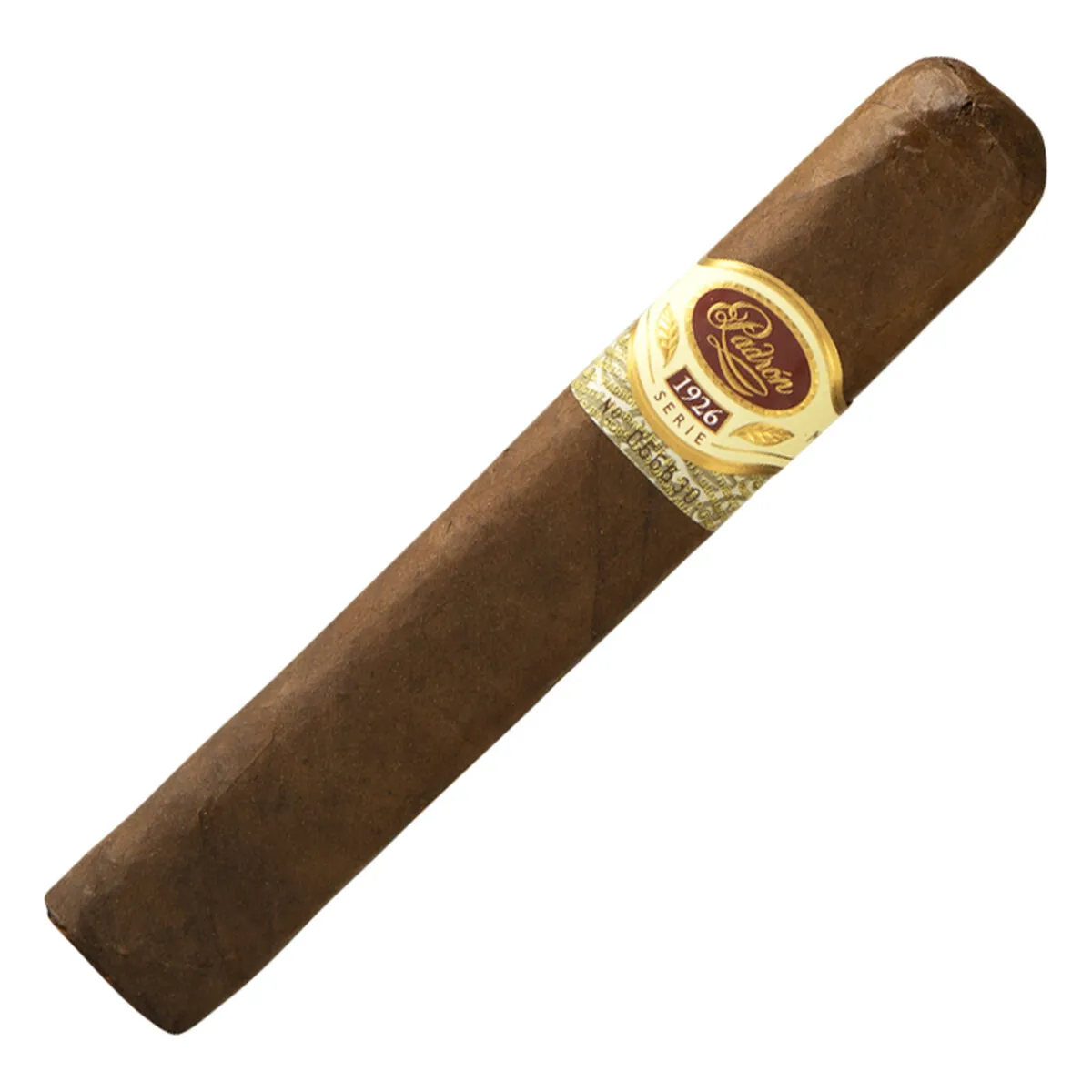
Padrón 1926 Serie No. 9 Maduro
5.25 x 56 Box-pressed · Nicaraguan puro · Tabacalera Padrón, Estelí
This is the cigar you buy once you’ve stopped pretending you’re ever going to love anything more than a Padrón. A Nicaraguan puro, meaning wrapper, binder and filler all come off Padrón’s own farms, which is most of the reason the consistency is what it is. There’s no third-party leaf to go sideways on them.
The tobacco is aged five full years before the cigar leaves Estelí, and that’s the practical headline: it needs no humidor time. You can order it Tuesday and smoke it Thursday and it will taste exactly the way Padrón intended. Cocoa, espresso, black pepper, a long finish, and a burn line so clean it’s almost dull to describe.
The box-press isn’t decoration. It flattens the draw and slows the burn, and it’s a large part of why a 56 ring gauge doesn’t smoke hot.
At $588 a box, this is the point where the price stops tracking the tobacco and starts tracking the name. It is a magnificent cigar. It is not two and a half times better than the Melanio at $13.10. If you’re buying it, buy it knowing you’re paying for the last ten percent of refinement, and that the last ten percent is always the most expensive. Buy it in fives first. Padrón will still be there.
Where to go from here: Step down: #14 Padrón 1964 Exclusivo ($16.40), which most people cannot reliably tell apart in a blind smoke. Step up: #21 Family Reserve 45 ($31.70).
Davidoff Winston Churchill The Late Hour Robusto
5 x 52 Robusto · Ecuadorian Habano / Mexican & Dominican / Dominican & Nicaraguan · Davidoff, Santiago
If the Signature 2000 above is Davidoff being delicate, The Late Hour is Davidoff finally deciding to have a drink. And they mean it literally: a portion of the filler tobacco is aged in charred Scotch whisky casks, which sounds like a marketing gimmick and demonstrably isn’t.
What it does is add a sweet, oaky, slightly smoky layer that sits underneath the leather, black pepper and dark spice. It is the most interesting thing Davidoff has done in twenty years, and it’s the cigar that converted a lot of people who’d written the brand off as tame.
Medium-to-full, ninety minutes, and built for exactly the moment its name describes: late, dark, and after everything else is finished.
Scotch, obviously, and specifically something with an oak-forward, sherry-cask character rather than a heavy peat. The cask-aged filler is already doing the smoky work here, so a big Islay fights it rather than complements it. A Highland or Speyside with real age on it is the move. This is also one of the few cigars on this page we’d genuinely recommend with a dark rum, which is not a pairing that works nearly as often as people claim.
Where to go from here: Step down: #17 Davidoff Signature 2000 ($19.64) if you want the house style without the whisky-cask filler. Sideways: #20 Ashton ESG ($29.32).
Ashton Estate Sun Grown 24-Year Salute
6.625 x 46 Lonsdale · Dominican Sun Grown / Dominican / Dominican · Tabacalera A. Fuente, Santiago
The ESG is the rarest thing on this list and the one with the best story. The wrapper is Dominican sun-grown leaf from Chateau de la Fuente, the Fuente family’s own farm, which is the same estate that grows the wrapper for OpusX. It is grown in tiny quantities and most of it never leaves the family.
What Ashton gets is a small allocation, and the ESG is what they do with it. It’s a Dominican puro, which is unusual at this strength, and it delivers a rich, oily, cedar-and-espresso profile with a distinct sweetness and a spice that builds slowly rather than announcing itself.
The 24-Year Salute marks Ashton’s twenty-fourth anniversary, and at 46 ring in a nearly seven-inch lonsdale, it’s a shape almost nobody makes anymore. That narrow gauge over that length is precisely why it’s so good.
This is the closest you will get to an OpusX experience without playing the OpusX availability game. Same farm, same estate wrapper tobacco, same factory, and actually available to buy. If you’ve spent years hearing about Chateau de la Fuente tobacco and never managed to get hold of any, this is the door in. It’s also the reason we’d take this over the OpusX even when the OpusX is in stock, which it usually isn’t.
Where to go from here: Step down: #12 Ashton VSG ($15.17). Same brand, same Fuente factory, half the price, and a genuinely full-bodied cigar in its own right.
Padrón Family Reserve 45 Years Maduro
6 x 52 Box-pressed Toro · Nicaraguan puro · Tabacalera Padrón, Estelí
The top of the Padrón mountain, and the most expensive cigar on this page. Family Reserve sits above both the 1964 and the 1926, and it’s built from tobacco aged ten years before it’s rolled, which is roughly double the 1926 and an almost absurd amount of time to have money sitting in a barn.
You taste that decade. Everything is rounder, sweeter and more integrated than the 1926, and the pepper that gives the younger Padróns their edge has largely mellowed into something closer to warm baking spice. Cocoa, espresso, aged cedar, a touch of caramel, and a finish that lasts a genuinely long time after you set it down.
It is rated medium, and that is not a mistake. Ten years of aging takes the fight out of tobacco and leaves the flavor behind.
Because if you’re going to spend thirty-plus dollars on a cigar, you should spend it on the one where you can actually point at what the money bought. Ten years of aging is a real, expensive, unfakeable thing, and you can taste it in the glass-smooth delivery. Compare that to the $30 cigars whose price is explained by a limited-edition band and a wooden box, and this starts to look like the honest end of the luxury tier. Buy it in fives. Buy it for something.
Where to go from here: Step down: #18 Padrón 1926 ($24.50), then #14 Padrón 1964 ($16.40). Walk the ladder down before you decide the top rung is worth $31.70. It might not be.
About Cuban Cigars, Honestly
You’ll notice several names on this page that you associate with Cuba: Cohiba, Montecristo, Romeo y Julieta, Punch. None of them are Cuban.
Here’s what actually happened. After the 1959 revolution, Cuba nationalized the cigar industry. The families who owned those brands fled, mostly to the Dominican Republic, Honduras and Nicaragua, and started making cigars again under the names they’d always used. Cuba kept making cigars under the same names. So today there are two entirely separate Cohibas, two Montecristos, two Romeo y Julietas, made by different companies, on different islands, from completely different tobacco.
Outside the United States, the Cuban ones own the trademark. Inside the United States, the non-Cuban ones do. That’s the whole story, and it’s why a Cohiba in a US shop bears no relationship whatsoever to a Cohiba in a London shop.
And to be clear about the law: importing Cuban cigars into the United States remains illegal. The brief window under the Obama-era rules that let travelers bring some back was closed in 2020. Anyone selling you “real Cubans” online is either selling you counterfeits, which is overwhelmingly the likely case, or committing a federal offense on your behalf.
The good news, and this is the part the mystique gets in the way of: the non-Cuban world has spent sixty years getting extremely good. The Padróns, Fuentes and My Fathers on this page are, by most serious palates, the equal of anything coming out of Havana today, and considerably more consistent. You are not missing out. You’re just buying from a different island.
The Bottom Line
If you take one thing from this page, take this: the sweet spot is $8 to $14, and almost everything above it is buying refinement, not tobacco.
Buy a box of the Curly Head Deluxe at $3.59 for the weeknights. Buy a box of the Padrón 1964 Exclusivo at $16.40 for everything that matters. Those two cigars will cover about ninety percent of your smoking life, and the money you save not buying $30 sticks will buy you a humidor worth owning, which will do more for the cigars you already have than any upgrade on this page.
And rest your cigars. Most of the disappointment in this hobby is a good cigar smoked three weeks too early.
