 Skip to content

The honest case for a fake plant is a spot where a real one would die: a dark hallway, a north-facing bathroom, the top of a bookshelf nobody can reach with a watering can. Columbus Day! catches the end-of-outdoor-season clearance on the UV-rated pieces and the usual home-decor markdowns on everything else. Everything below shows live pricing, so you can see where the markdowns actually are.

Quick sale picks
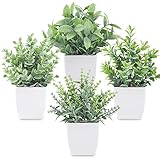
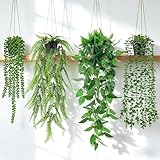
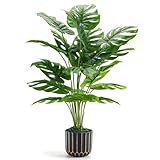
The artificial plants carrying real markdowns right now. Check the stated height before anything else, because these photograph in a way that makes a two-foot plant look like a six-foot one.
When fake plants actually go on sale
This sits across two calendars, home decor and garden, and the discounts arrive at different times for the indoor and outdoor halves of the category.
| When | What to expect |
|---|---|
| January | The best window for indoor pieces. Post-holiday home-decor clearance is deep, and the large trees that nobody wants to ship in December finally move. |
| February to April | Poor. Spring staging pushes greenery hard and prices firm up as people redecorate. |
| May to July | Mixed. The mid-summer sales reach the category, though outdoor faux is at peak demand and holds its price. |
| Late August to Labor Day | Good, and specifically good for outdoor pieces. Garden departments clear the UV-rated planters and porch greenery before the autumn reset. |
| September to October | Reasonable. Outdoor clearance continues while autumn decor arrives at full price, so the two move in opposite directions. |
| Black Friday | Moderate. Reaches the branded indoor trees but is generally weaker than the January clearance for this category. |
| Late November to December | Weak on greenery specifically, because shelf space and promotion go to seasonal decorations instead. |
| Whenever a range is discontinued | Common here, since home-decor ranges rotate constantly. The plant is unchanged; only the pot it ships in has been updated. |
What actually counts as a good price
Height is the variable that drives price, and listing photographs are consistently misleading about it. These are the marks worth judging against once you know the actual size.
Small potted plants
The desk and shelf pieces, usually six to twelve inches. Sold in multipacks where the per-plant price is what matters rather than the box price.
Medium plants, two to four feet
The useful size for a corner or a console. This is where quality starts to differ visibly, and where paying a little more genuinely shows.
Large trees, five feet and up
Judge by percentage, since these rarely fall below a floor price. Shipping damage is the real risk, so buy where returns are straightforward.
Outdoor UV-rated pieces
Worth the premium over indoor versions, because unrated plastic fades to a chalky grey within one summer. Right now is the window for these.
Artificial trees on sale
The floor-standing pieces, mostly olive, fiddle leaf and dracaena. The trunk is what separates convincing from obvious, so look for real wood or a properly textured stem rather than a smooth plastic pole.



Outdoor artificial plants on sale
UV-rated greenery for porches, balconies and planters. The rating is the whole point here, and this is the part of the category with the deepest clearance right now.




Artificial succulents on sale
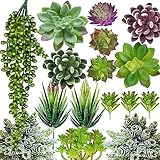
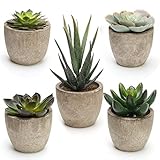
The most convincing thing in the whole category, because real succulents already look slightly artificial. Cheap ones work here in a way they do not with leafy plants.








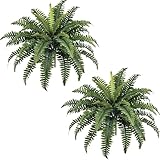
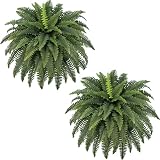
Artificial ferns on sale
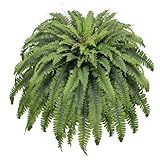
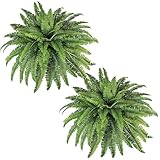
Hanging baskets and trailing greenery, which is where fake plants earn their keep since real ferns are demanding about humidity. Fullness matters more than height on these.





Where else to check today
The specialist faux retailers are considerably better than the marketplaces at the larger sizes, where the difference between convincing and obvious is worth paying for. These are the ones worth opening in another tab.
WayfairBest for the range on sale
Nearly NaturalBest for large trees
AfloralBest for realism
World MarketBest for pots included
At HomeBest for buying in person
How to buy fake plants
Repot it the day it arrives. The included pot is almost always the thing that gives a fake plant away: a moulded plastic container with a layer of glued gravel or moss. Moving the plant into a real ceramic pot with a few handfuls of actual soil or gravel on top is a ten minute job and it does more for the effect than doubling the budget on the plant itself.
Read the height in the specification, not the photograph. These are shot from low angles beside small furniture, and a twenty-four inch plant is routinely presented as a room-filling tree. Measuring the space and checking the stated height is the single most common way people avoid disappointment here.
Buy for the spot where a real plant would die. A fake plant in a bright living room next to real ones invites comparison and always loses. In a windowless bathroom, a dark stairwell or on top of a cabinet, there is nothing to compare it to and it simply reads as greenery.
Check for a UV rating on anything going outside. Indoor faux greenery put on a porch fades to a pale grey within a single summer, and no amount of quality elsewhere prevents it. This is a specification to look for explicitly rather than assume.
Vary the stems if the plant looks too uniform. Mass-produced greenery arrives with every leaf at the same angle, which is what the eye actually registers as fake. Bending a few stems in different directions and letting some hang unevenly takes two minutes and is remarkably effective.
Spend more on leafy plants, less on succulents. The realism gap between a cheap and expensive fiddle leaf is enormous; between a cheap and expensive succulent it is almost nothing, because the real thing already has a waxy, moulded look. Allocating the budget along those lines gets a better result overall.
Fake plant questions, answered
The bottom line
Buy outdoor pieces this weekend, since the UV-rated greenery is being cleared now and will not be this cheap again until next autumn, and hold the large indoor trees for January. Check the stated height rather than trusting the photograph, repot whatever you buy the day it arrives, and put it somewhere a real plant would struggle rather than somewhere it would thrive. Spend the money on leafy plants and save it on succulents, where the cheap ones are nearly as convincing as the expensive ones.
