 Skip to content

Almost nobody who wants a smart garage needs a new garage door opener. The phrase is sold two completely different ways: as a three-hundred-dollar motor unit bolted to your ceiling, and as a thirty-dollar Wi-Fi box that wires into the opener you already own and does the same job from your phone. Unless your motor has actually failed, you want the second one. Over Labor Day Weekend the retrofit controllers, remotes and keypads are all properly discounted, which is the useful half of this category anyway. Everything below shows live pricing.

Quick sale picks
The smart garage hardware carrying the largest markdowns today. Note how many of these are small add-on boxes rather than full openers, which is the shape of the category and the reason it is cheaper than people expect.
When garage door openers actually go on sale
This is home improvement rather than consumer electronics, so it moves with the DIY calendar: the spring project season, the autumn one, and the November discount weekend that covers everything.
| When | What to expect |
|---|---|
| Black Friday and Cyber Monday | The annual low across the whole category, and the one window the full motor units are genuinely cut rather than bundled. The retrofit controllers reach their floor here too. |
| Labor Day weekend into September | Good, and this is where we are. The autumn DIY push is a real promotional window for home improvement, and it lands hardest on the accessories rather than the motors. |
| Memorial Day and the Fourth of July | Reasonable. The other two home improvement weekends, with much the same pattern: solid on remotes and keypads, thinner on the openers themselves. |
| March to May | Moderate. Spring project season brings promotions but also brings demand, so the discounts are real and modest rather than deep. |
| December to February | The weakest stretch. Nobody starts a garage project in the cold, so there is no promotional reason to cut anything once the November weekend has passed. |
| Whenever a model is superseded | Worth watching on the motors, where generations differ mainly in the app and the radio. The outgoing unit lifts the same door just as well. |
| The week your opener dies | The worst possible time to buy, and the most common one. Working out compatibility in advance is what lets you buy on a sale weekend rather than in an emergency. |
What actually counts as a good price
The spread here is enormous and mostly reflects which of two very different products you are buying. These are the marks worth aiming at.
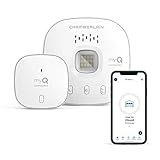
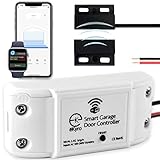
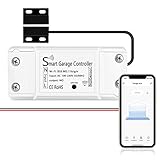
Wi-Fi retrofit controller
Wires into the opener you already own and adds phone control. This is what most people actually want when they search for a smart garage door opener, at a tenth of the price.
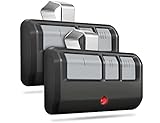
Universal remote or keypad
Heavily discounted right now and the cheapest fix for the most common complaint, which is a lost remote or a keypad that has stopped reading. Check the brand compatibility list first.
Chain-drive opener
The full motor unit. Loud, cheap and extremely durable, and completely fine if there is no bedroom above the garage. Only worth buying when the old one has actually failed.
Belt-drive opener
The quiet version, and the upgrade that matters if anyone sleeps above or beside the garage. Worth the premium in that one situation and not really in any other.
Wi-Fi garage controllers on sale
The retrofit boxes that make an existing opener smart. Before you buy one, find out whether your opener uses the encrypted rolling-code system introduced on later units, because that determines which controller will work and it is the single most common reason one of these goes back. The manufacturer’s compatibility checker takes two minutes and saves a return.




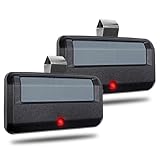
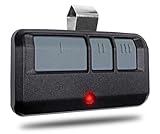
Garage door remotes on sale
Well discounted, and the fix for the most common garage complaint there is. Universal remotes cover most major brands, but check the list rather than assuming: the encrypted openers made after the late 2010s accept a narrower set of transmitters than the older ones do.




Keypads and keyless entry on sale
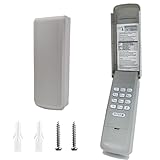
The most underrated thing in this category and one of the best-discounted right now. A working keypad outside the door means nobody needs a key hidden under a plant pot, children can let themselves in, and a dead remote battery stops being a problem. Fitting one takes a drill and about ten minutes.




Safety sensors and spare parts on sale
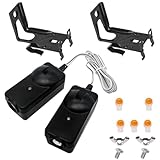
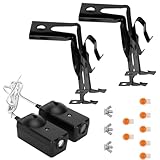
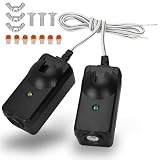
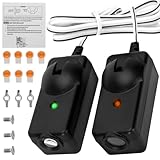
If your door starts reversing halfway down or refusing to close, the answer is almost always the pair of photo-eye sensors near the floor rather than the motor. They knock out of alignment, they get dusty, and they fail. Replacing a sensor kit costs a fraction of an opener and fixes the fault most people misread as the opener dying.





Where else to check today
Compatibility is the whole game here, and the manufacturer sites are the only places that answer it properly. The hardware retailers are worth a look because they stock the specific spare parts the marketplaces list badly. These are the ones worth opening in another tab.
ChamberlainBest for checking compatibility
GenieBest for the other major brand
Best BuyBest for the smart-home side
Ace HardwareBest for spare parts and advice
WalmartBest for the budget end
How to buy a smart garage door opener
Buy the retrofit controller, not a new opener. This is the single most useful thing on the page. A Wi-Fi controller wires into the two terminals your wall button already uses, watches the door with a tilt sensor, and gives you phone control, alerts and voice assistants for around thirty dollars. Replacing a working motor to get the same features costs ten times that and lifts the door no better.
Check compatibility before you check price. Openers made from the late 2010s onward use an encrypted rolling code, and a controller that works beautifully on a ten-year-old unit may not work on a new one at all, or may need a separate bridge. Every manufacturer publishes a checker. Two minutes there prevents the most common return in this category.
If the door reverses, suspect the sensors first. A door that starts down and comes back up, or refuses to close while the light blinks, is almost always the photo-eye sensors near the floor: knocked out of alignment, covered in cobwebs, or failed. People replace entire openers over this. Realign them, clean them, and only then start pricing motors.
Belt drive only matters if someone sleeps above the garage. That is genuinely the whole decision between belt and chain. A belt drive is markedly quieter and costs meaningfully more; a chain drive is louder, cheaper and if anything more durable. With no bedroom over the garage, the noise is a non-issue and the extra money buys nothing.
Fit a keypad, whatever else you buy. It is the cheapest thing here and the one owners are most consistently glad of. No hidden key, no problem when a remote battery dies, and children or dog walkers can let themselves in without you handing out anything. Ten minutes and a drill.
Do not touch the springs. Worth saying plainly on a page about garage hardware: the torsion springs above the door hold enormous stored energy and are the one part of this system that seriously injures people. Openers, sensors, remotes and controllers are all fine DIY jobs. Springs and cables are a job for someone with the right bars and the right insurance.
Garage door opener questions, answered
The bottom line
If your opener works, do not replace it: a thirty dollar Wi-Fi controller gives you everything the expensive smart openers advertise, and that is the buy this weekend. Check your opener against the manufacturer compatibility checker before ordering anything, because the encrypted newer units are fussy and that is what sends these back. If the door is misbehaving rather than the phone, look at the safety sensors near the floor first. And add a keypad while they are cheap, because it is the piece of garage hardware people are most consistently pleased they fitted.
