 Skip to content

A smoke alarm is the only thing in your house with an expiration date printed on the back that nobody ever reads. Every alarm, every brand, every type, has to be replaced ten years from the date it was made, because the sensor itself degrades whether or not the unit has ever chirped. Which means the real buying question is almost never which model to get. It is how old the one on your ceiling already is, and if you cannot answer that, it was probably installed by whoever lived there before you. Over Labor Day Weekend the fire safety category is well discounted across the marketplaces, and prices below are live.

Quick sale picks
The connected alarms carrying the largest markdowns today. Smart here means the unit can tell your phone it is going off while you are at work, which is the one feature that genuinely adds something a ten dollar alarm cannot do.

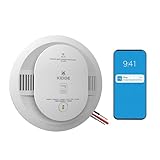
The Nest Protect situation, because it affects a lot of people
Google discontinued the Nest Protect and partnered with First Alert on a replacement, the SC5, which uses the same mounting bracket and reports into the Google Home app the way the Nest did. If you have Nest Protects on your ceilings, two things are now true at once: the hardware is no longer made, and the second generation units sold from 2015 onward are reaching the ten year replacement mark on their own schedule regardless. That is not a reason to panic, but it is a reason to go read the manufacture date on the back of yours this weekend rather than next year. It also explains something you will notice in the listings below: searching the marketplaces for Nest Protect returns competitors and generic combination alarms rather than Nest units, because there are no new Nest units to return.
When smoke alarms actually go on sale
This category has a genuinely unusual calendar, because it is driven by public safety campaigns rather than by gifting or weather. The fire service tells people to check their alarms on specific weekends, and retailers price around those weekends. Once you know the dates it is easy to plan.
| When | What to expect |
|---|---|
| Black Friday and Cyber Monday | The annual low, and it overlaps with the November time change, so the promotional push and the deepest marketplace cuts land in the same two weeks. Multi-packs are where the real saving sits. |
| Fire Prevention Week, early October | The national campaign week, and the one genuinely category-specific sale window in the year. Manufacturers and hardware retailers both run promotions against it, and the ten-year sealed units participate rather than only the cheapest models. |
| The daylight saving weekends, March and November | Change your clocks, change your batteries. A long-running fire service campaign, and retailers price batteries and alarms around both weekends every year. Reliable rather than deep. |
| Amazon’s July and October events | Solid and worth watching. These are small, light, cheap-to-ship items, which makes them a natural fit for marketplace events, and the multi-pack listings usually carry the biggest percentage. |
| Right now, over Labor Day | Better than you would guess. Fire safety rides along with the home improvement promotions, and the marketplace discounting on combination alarms and extinguishers is running hard this week. |
| Immediately after a major wildfire or house fire in the news | Demand spikes, stock thins, and prices firm up for a few weeks. It is the worst possible time to buy and the most likely time for people to try, which is an argument for buying before you need to think about it. |
What actually counts as a good price
Alarms are cheap enough that the price tiers matter less than the count. Work out how many rooms you need to cover first, then compare the multi-pack price per unit rather than the single price.
Basic replaceable-battery alarm
Does the job, and the job is the point. The downside is that it needs a battery every year, which is the chirp at three in the morning that ends with the unit in a drawer.
10-year sealed battery alarm
The sensible default. The battery is built in and rated for the life of the unit, so there is nothing to change and no low-battery chirp until the alarm itself is due to be replaced.
Combination smoke and CO alarm
One unit, two sensors, one hole in the ceiling. Worth the premium over two separate devices for most rooms, and the format most people should be buying by default.
Smart connected alarm
Phone alerts when nobody is home, and a hush button you press from an app instead of from a chair. Real value if the house is empty during the day; not a substitute for having enough alarms.
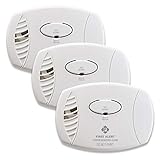
Combination smoke and carbon monoxide alarms on sale
The best discounted group on the page, and the format most people should be buying. A combination unit puts both sensors in one housing, which means one device per location instead of two and one set of dates to keep track of. The reason it matters is that carbon monoxide coverage tends to get skipped: people install smoke alarms because they can picture a fire, and skip CO because it is invisible and odorless and does not feel like a real risk until the furnace fails. Combining them removes the decision. The one thing worth checking is the replacement date, because CO sensors are often rated shorter than smoke sensors, so a combo unit inherits the shorter of the two.


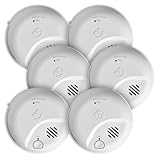


Kidde smoke alarms on sale
Consistently the deepest discounting in the category, and one of the two brands that make up most of what is on American ceilings. Kidde and First Alert both build across the whole range from a ten dollar basic unit up to connected models, and the practical reason to pick a side is interconnection: alarms only talk to other alarms in the same family, so if you are wiring a whole house so that one alarm sets off all of them, buy all of them from one brand. If you are replacing a single unit in a hallway, the brand matters much less than the sensor type and the date on the back.


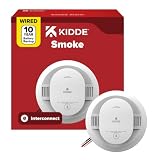


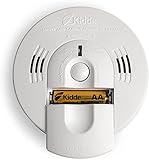
Carbon monoxide alarms on sale
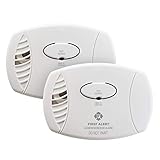
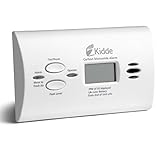
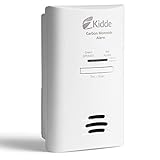
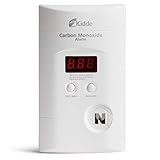
The one people skip, and the one with the least intuitive placement rules. Carbon monoxide comes from anything that burns fuel, so a furnace, a gas water heater, a gas range, a fireplace or an attached garage all produce it, and an electric house with no attached garage genuinely has less exposure. Unlike smoke, CO mixes fairly evenly through a room rather than rising, so the height of the alarm matters less than being near the sleeping areas, which is where an overnight leak does its damage. The category standard is one outside each sleeping area and one on every level. If you have a plug-in unit from a previous decade sitting in an outlet, check its date, because CO sensors are typically rated shorter than smoke sensors.




Fire extinguishers on sale
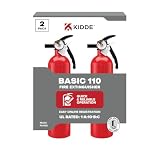
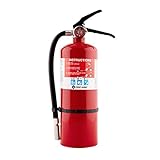
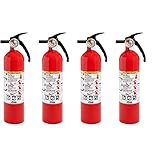
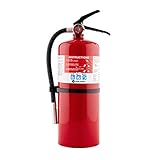
Discounted hard right now and the obvious companion purchase, with one important caveat about what they are for. A home extinguisher is for a fire that is still small and contained, which in practice means a pan, a wastebasket or a plug, and it buys you the time to leave rather than the ability to fight. The sizing that matters is the rating: an ABC unit covers ordinary combustibles, flammable liquids and electrical, which is everything a house is likely to produce. Keep one in the kitchen but not directly above the stove, where a fire would put it out of reach, and one in the garage. Check the gauge twice a year at the same time you check the alarm dates.






Where else to check today
Worth checking beyond the marketplaces, because interconnect compatibility is easier to confirm on a manufacturer site and because the hardware retailers run promotions on their own schedule around the safety campaign weeks. These are the ones worth opening in another tab.
How to buy a smoke alarm
Read the date on the back before you buy anything. Every alarm carries a manufacture date, and every alarm is done ten years from that date whether it has ever gone off or not, because the sensing element degrades on its own. Take one down, turn it over, and read it. If the number starts with a 1 and a digit under 6, it is expired, and no amount of pressing the test button changes that. The test button confirms the horn works, not the sensor.
Photoelectric versus ionization is the one spec that matters. Ionization sensors react faster to fast flaming fires; photoelectric sensors react faster to slow smoldering ones. Smoldering fires in upholstery, mattresses and wiring are the ones that fill a house with smoke while people are asleep, which is why fire safety guidance leans toward photoelectric or dual sensor coverage. Most of the cheapest alarms are ionization only. Check the box, because the price difference is a few dollars.
Mount it more than ten feet from the stove. Nuisance alarms from cooking are the single biggest reason people disable alarms, and a disabled alarm is the reason alarms fail to do anything in real fires. Distance from the cooking appliance, and a hush button you can reach without a chair, prevent the sequence that ends with a battery in a drawer. This is a more consequential decision than which model you buy.
Count the rooms, then buy the multi-pack. The standard is one inside every bedroom, one outside each sleeping area, and one on every level of the house including the basement. Most homes are short by two or three. Multi-packs are consistently cheaper per unit than singles, and buying enough at once means every alarm in the house shares a replacement date, which is the only realistic way anyone keeps track.
Interconnection is the upgrade worth paying for. When alarms are linked, a basement fire sounds the alarm in the upstairs bedroom, which is the difference that matters at two in the morning. New construction requires it. Retrofitting means either hardwired units on a shared circuit or wireless models from a single manufacturer, since alarms only link to others in the same family.
Smart features are the last thing to optimize. App alerts genuinely help when the house is empty during the day, and silencing a cooking alarm from your phone is pleasant. Neither is worth having three alarms instead of six. Get the coverage and the dates right first, then spend what is left on the connected model for the hallway.
Smoke alarm questions, answered
The bottom line
Go and read the date on the back of the alarm in your hallway before you buy anything, because that number decides this purchase more than any specification does. If it is expired or you cannot find one, buy a multi-pack of ten-year sealed combination units, get enough of them to cover every bedroom and every floor, and mount them more than ten feet from the stove so nobody is tempted to pull a battery. If you own Nest Protects, the First Alert SC5 drops onto the same bracket. The whole job costs less than a single tank of gas and is the cheapest thing in your house that has ever saved anyone.
