 Skip to content


The honest thing about a mini split is that the unit is rarely the expensive part. Installation frequently costs as much again, which means a discount on the equipment matters less than most sale pages suggest, and it is why the DIY pre-charged systems have taken over this category. Columbus Day! is the end of the cooling season, which is genuinely the cheapest week of the year for anything that makes cold air. Everything below shows live pricing.
Quick sale picks
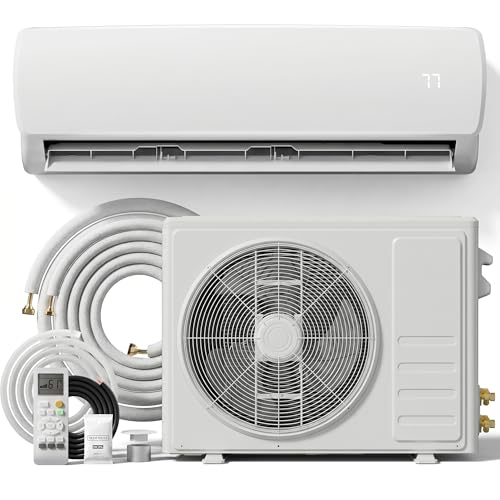
The mini split systems carrying real markdowns today. Check whether the listing includes the line set and whether it is pre-charged, because those two details decide whether this is a weekend job or a contractor call.


When mini splits actually go on sale
Cooling equipment is bought in a panic in July and cleared in September, and the price gap between those two moments is the largest of any home category. Buying out of season is the entire strategy here.
| When | What to expect |
|---|---|
| Late August to October | The best window of the year, and this is where we are. Cooling stock is cleared for heating season and nobody is shopping, which is exactly when the discounts appear. |
| November to December | Reasonable on cooling-only units, and the heat-pump models get some attention as heating season starts. Stock is thin by this point. |
| January to March | Very good and widely missed. This is the dead zone for the whole category, contractors are quiet, and installation quotes are noticeably lower than in summer. |
| April to May | Fading fast. New season stock arrives at full price and the first warm week ends any remaining clearance. |
| June to July | The worst possible time, and the time most people buy. Peak demand, no discounts, and installers booked out for weeks at their highest rates. |
| Whenever a refrigerant standard changes | A genuine opportunity. When the industry moves to a new refrigerant, the outgoing stock is cleared hard, and those units work perfectly well for their full service life. |
| Whenever a model is superseded | Reliable. Mini split technology changes slowly, and last year’s unit at a substantial discount is almost always the better value. |
What actually counts as a good price
These are equipment-only marks. Add installation on anything that is not explicitly pre-charged for DIY, because that is where the real cost sits.
9,000 to 12,000 BTU single zone
The size for one room up to roughly five hundred square feet, and the volume seller. Below eight hundred for a complete pre-charged system is a strong price.
18,000 to 24,000 BTU single zone
For an open-plan space or a small floor. Oversizing is a real error here: too much capacity short-cycles, which cools without removing humidity.
Multi-zone systems
Judge by percentage. These are rarely discounted deeply and the installation is considerably more involved, so factor the labour before comparing equipment prices.
Window and portable units
The end-of-season clearance is deepest here. If you only need to cool one room and can live with the noise, this is where the actual savings are this weekend.
Mid-size mini splits on sale
The 12,000 BTU class, which suits most single rooms and is the size worth starting from. Check the SEER rating against your local energy prices, since a higher rating pays for itself faster in a hot climate than a mild one.




Window air conditioners on sale
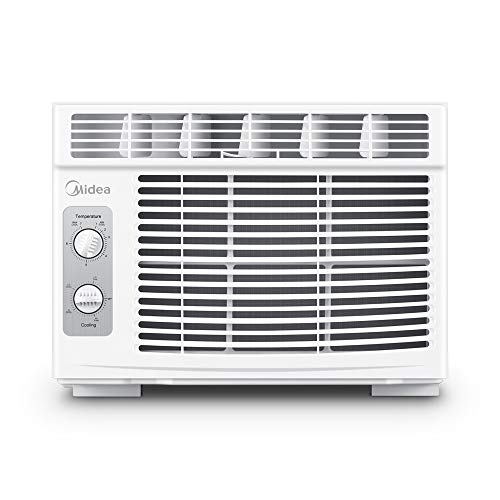
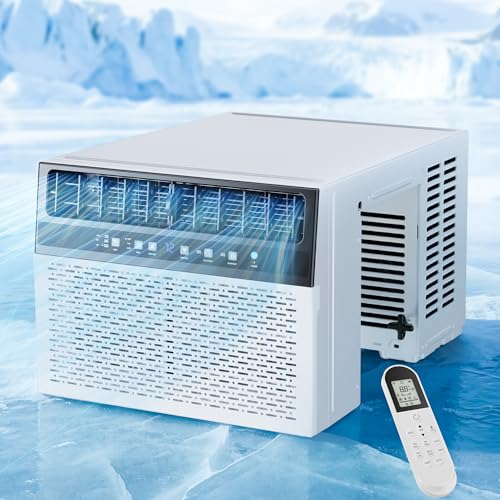
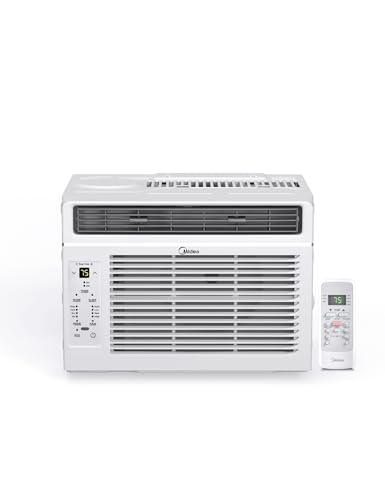
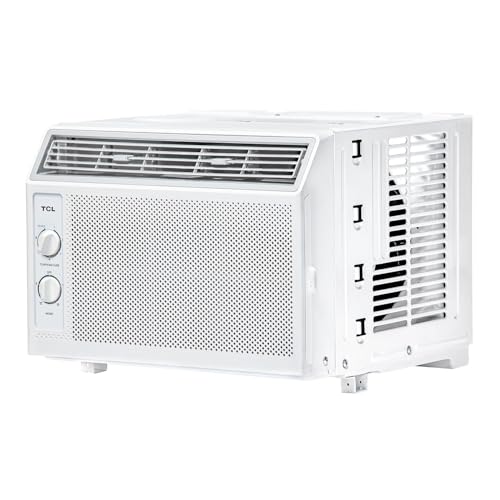
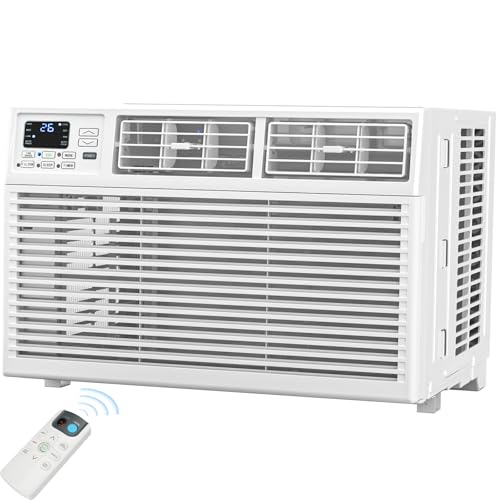
Worth considering honestly before committing to a mini split. A window unit costs a fraction as much, needs no installer, and cools a single room about as well. What it gives up is noise, the view and the winter heating a heat pump provides.




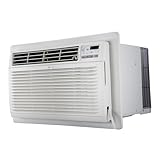
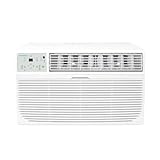
Through-the-wall air conditioners on sale
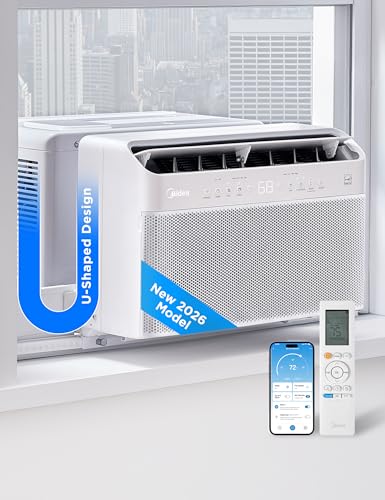
The middle option, and an underrated one. Permanent like a mini split and considerably cheaper, though it needs a hole cut and a sleeve fitted, and it is louder because the compressor sits in the room rather than outside.




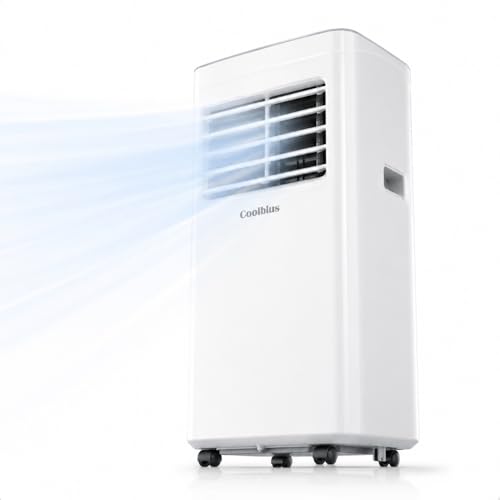
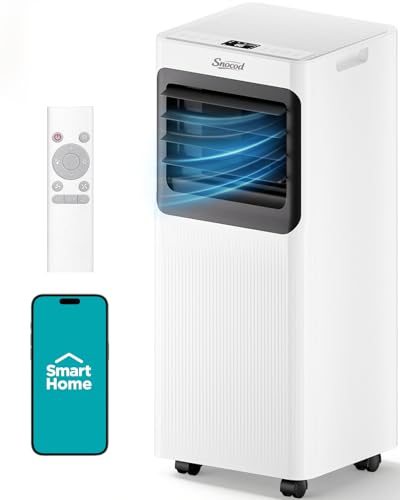
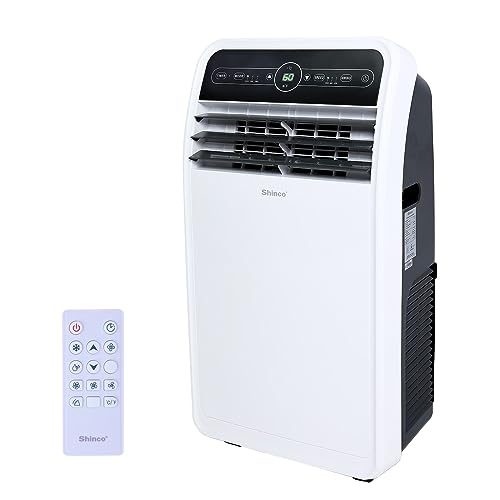
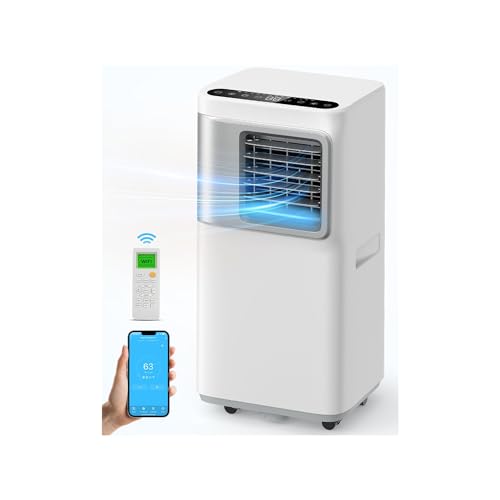
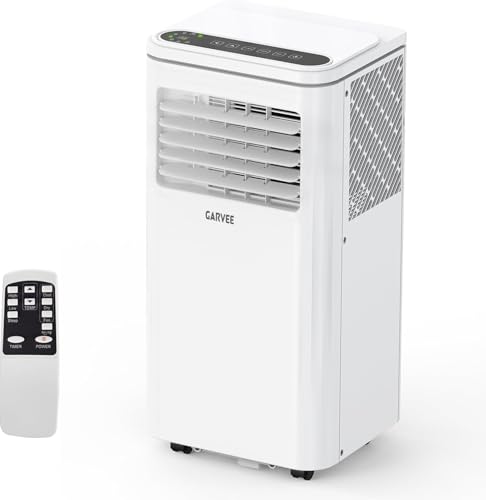
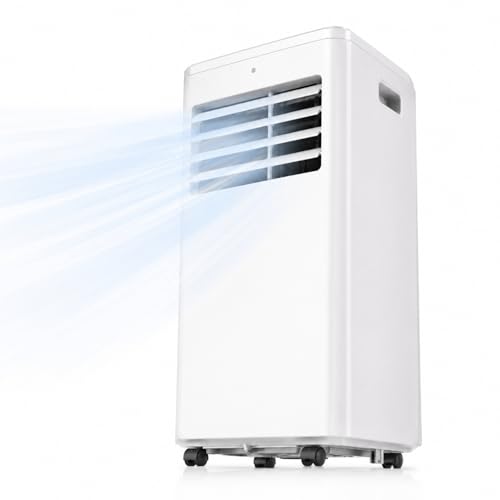
Portable air conditioners on sale
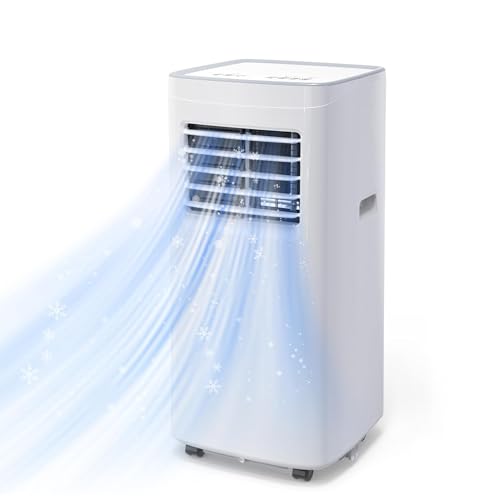
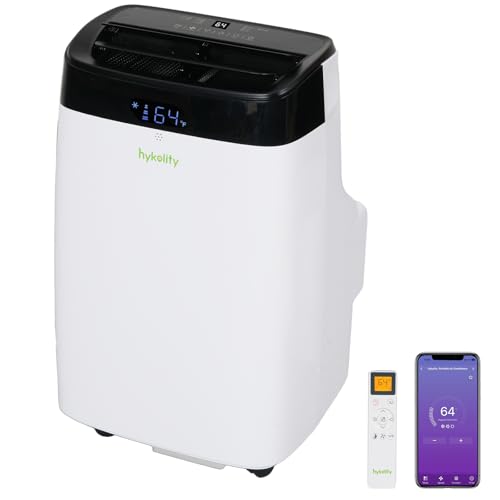
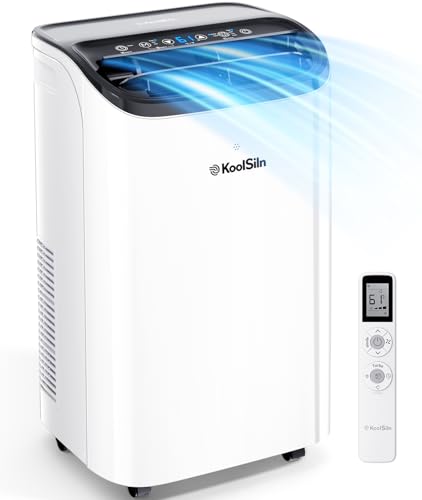
The least efficient way to cool a room and the most convenient, which is a fair trade for a rental or a room where nothing can be installed. Look for a dual-hose model, since single-hose units pull hot air back into the room.

Where else to check today
HVAC equipment is one of the categories where the trade suppliers genuinely beat the general retailers, because they stock complete matched systems and will size one for you. These are the ones worth opening in another tab.
MRCOOLBest for a DIY install
Ingrams Water & AirBest for sizing help
Alpine Home AirBest for complete matched systems
AC WholesalersBest for the major brands
WayfairBest for the range on sale
How to buy a mini split
Budget for installation before you compare equipment prices. A professionally installed single-zone system typically costs as much again in labour as the equipment, and multi-zone considerably more. A hundred dollars off the unit is not the saving it appears to be if you have not yet priced the install, and getting two or three quotes will move the total far more than any sale will.
Buy a pre-charged DIY system if you intend to fit it yourself. Standard mini splits need the line set evacuated with a vacuum pump and charged with refrigerant, which in most places legally requires a certified technician. Pre-charged systems ship with the refrigerant sealed in a quick-connect line and are designed to be fitted without any of that. This is the single most important specification on the page.
Do not oversize it. More capacity is not better with air conditioning. An oversized unit cools the air quickly then shuts off, which never runs long enough to pull humidity out, and you end up with a room that is cold and clammy. Roughly twenty BTU per square foot is the starting point, adjusted up for sun exposure and high ceilings.
Get the heat pump version unless you have a reason not to. Almost every modern mini split heats as well as cools, and the heating is remarkably efficient in mild weather. The cooling-only models save very little and give up half the value of the system. If you live somewhere that gets properly cold, look for a hyper-heat or cold-climate rating specifically.
Check the warranty terms against your install plan. Many manufacturers void the compressor warranty if the system was not installed by a licensed technician, and that is the expensive part to replace. The DIY-oriented brands are explicit that self-installation is supported; the traditional brands frequently are not, and it is worth reading before rather than after.
Consider whether you actually need a mini split at all. If you are cooling one room and can live with the noise, a window or through-wall unit costs a fraction as much, needs no installer, and this weekend is when those are cleared hardest. The mini split wins on quiet, on efficiency and on winter heating, which are real advantages, but they are worth being deliberate about rather than assuming.
Mini split questions, answered
The bottom line
This is the right season to buy cooling equipment and the wrong season to be shopping for it, which is exactly why the prices are good. Price the installation before you compare units, because that is where most of the money goes, and buy a pre-charged DIY system if you plan to fit it yourself rather than discovering the refrigerant licensing requirement afterwards. Size it properly rather than generously, get the heat pump version, and be honest about whether a window or through-wall unit would do the job for a fifth of the money.
