 Skip to content
In the order you actually use them
Curls don't need more products. They need them in order.
Most guys with curly hair aren't failing because they bought the wrong gel. They're failing because they own one product where the look needs three, and they're putting it on at the wrong point.
A year of grown-out, separated hair on screen has sent a lot of guys to the barber asking for curls, and then to a shelf of bottles that all say the same four words. So this page is built as a routine rather than a ranking. Six steps, in sequence, and every pick has to say what its step does that the step before it can't. Nobody needs all six on day one, and the finder further down will tell you which ones you can skip.
Every styling product here is classed by what its own ingredient list says it does: clump, cast or seal. Ingredient order is concentration order, so we've quoted the ingredient doing the work and where it sits. That check turned up a gel with no hold ingredient in it at all, and a light cream that holds harder than its label suggests. Both are on this page, in the places the formulas put them.
The whole thing on one line
Six steps, and three of them are optional
Each step does one job the step before it can't do. Read across.
Wash
Get the last three days off so today can stick
Condition
Put the slip back so you can detangle without snapping anything
Leave-in
The moisture that is still there when you style
Style
The only step that decides what your hair looks like
Dry
Lock the shape before it falls apart
Day two
Bring it back without starting over
Filled circles are the three you actually need. Wash, leave-in and a styler will get you most of the way. The other three are what take it from good to holding all day.
Before you buy anything
Clump, cast or seal. That's the whole category.
Every styling product for curls does one of three things, and the label is often the last place you'll find out which. The ingredient list is ordered by concentration, so the same ingredient near the top and near the bottom are two different products. That one check is how this page is sorted. One caveat worth knowing before you start reading labels yourself: the FDA only requires that order down to 1%. Ingredients present at 1% or less, in their words, “may be declared without regard for predominance,” so the positions that mean anything are the ones near the top.
Clump
Groups curls, sets nothing
Conditioning agents and light film formers like starches, guar and polyquaternium-10. They pull neighbouring strands into a clump and hold them there while the water leaves, then stop. Nothing hardens, so nothing has to be broken up afterwards.
- How it feels drySoft from the start
- In humidityGives up first
- Scrunch it outNothing to scrunch
Cast
A shell you break on purpose
A hold polymer: PVP, VP/VA copolymer, acrylates, or a polyquaternium hold agent. It dries into a shell around the clump and locks the shape. Position is everything here, because the same polymer near the top of a short list holds many times harder than it does buried near the bottom of a long one.
- How it feels dryHard, until you crush it
- In humidityHolds longest
- Scrunch it outYes, with both hands
Seal
Locks water in and out
Oils, butters and silicones high in the list. They coat the strand so the water already in it cannot leave and the water in the air cannot get in. This is frizz control rather than hold, and it is the only mechanism that does anything about humidity.
- How it feels drySmooth and weighty
- In humidityThe only real defense
- Scrunch it outNo cast forms
Routine builder
Four questions, and it returns the steps you actually need plus the pick from this page for each one. Answer honestly on the third question. A routine you won't run is worse than a short one you will.
What does your hair actually do?
How long is it right now?
How many products will you honestly use?
What's the weather like where you live?
The picks
All sixteen, in the order you use them
Filter by step, or just read straight through.
Step 1 · Two or three times a week
Wash: Get the last three days off so today can stick
Curls go wrong at the sink more often than they go wrong at the mirror. Wash every day with something harsh and you strip the oil that keeps a curl springy, so it frizzes. Skip washing for a week and yesterday's product is still sitting there, so today's can't grab anything. What you want is a cleanser gentle enough to run two or three times a week, plus one stronger thing you use about once a month to reset.
Everyone. This is the step people skip thinking about and then blame the gel.
- GoodSets up every other step on this page
- GoodGentle cleansers let you wash more often, which curls like
- GoodFixes the buildup that makes hair go limp and dull
- TradeoffGentle cleansers cost more per wash than ordinary shampoo
- TradeoffThey lather less, so it feels like nothing is happening
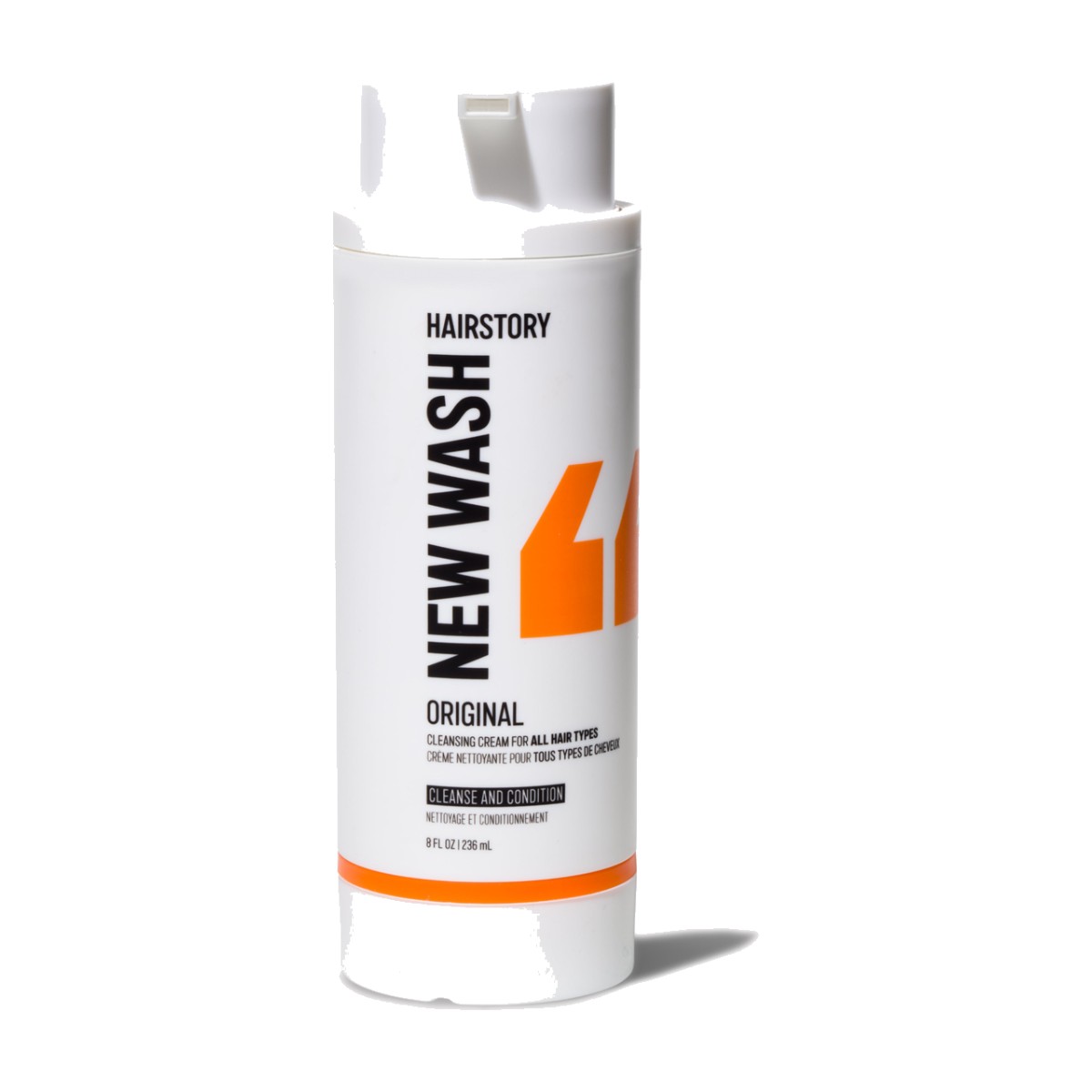
Hairstory
New Wash Original
Plenty of products say gentle. This one is the rare case where you can check it and the check comes back clean. We read all 44 ingredients and there is no sulfate, no sulfonate and no surfactant of any kind in there. What lifts the dirt is the conditioning system itself, with stearamidopropyl dimethylamine high at fifth, which is why it doesn't lather and why your hair doesn't squeak afterwards. For curly hair that's the whole argument: squeak means you've stripped the oil that was holding the curl together, and a curl with no oil in it frizzes before you've left the house.
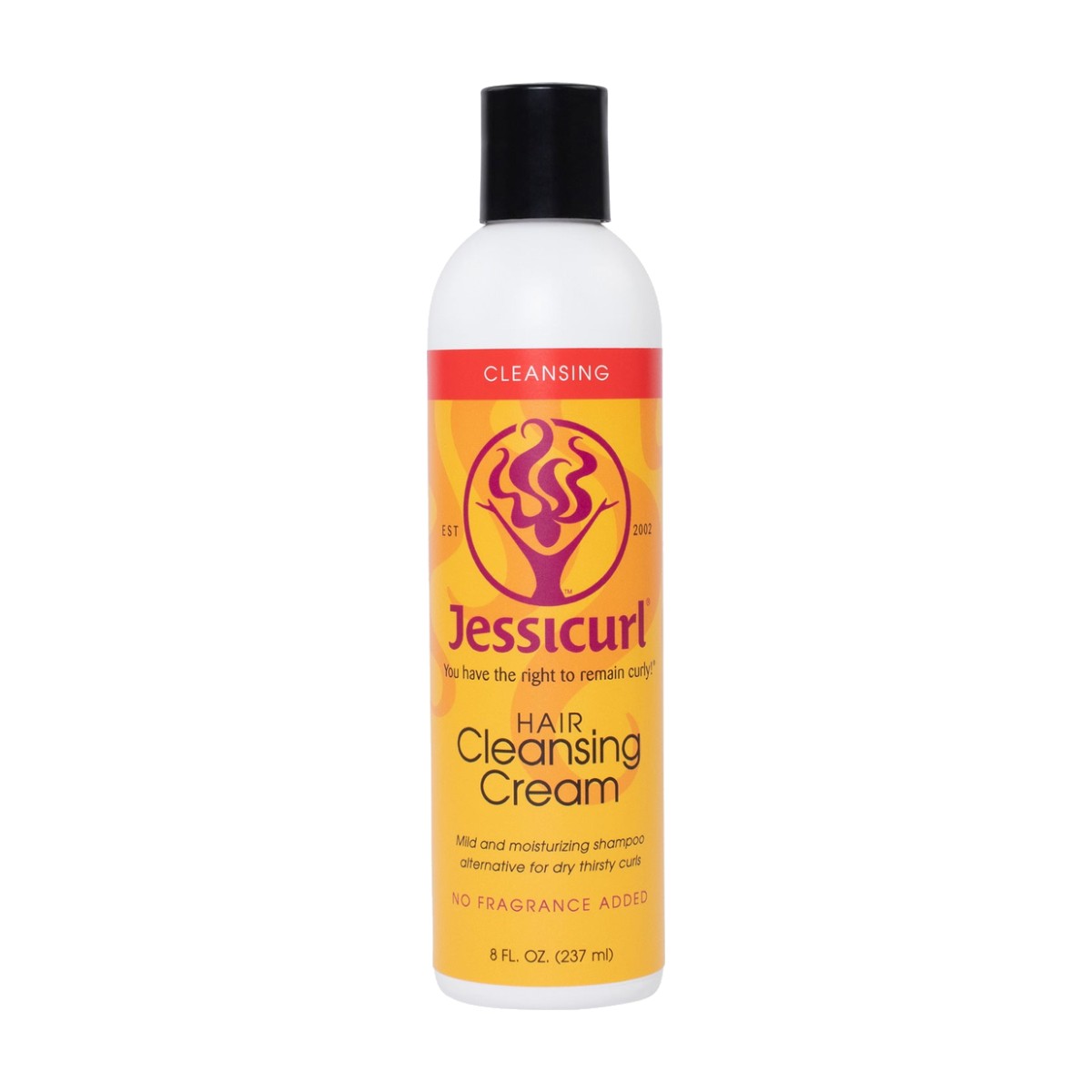
Jessicurl
Hair Cleansing Cream
A co-wash, which means a cleanser built on a conditioner base rather than a detergent base. The list runs to fifteen ingredients total, which is short enough that nothing is hiding: decyl glucoside and sodium cocoyl isethionate do the gentle cleaning, and behentrimonium methosulfate at eighth puts slip in at the same time. That combination matters most if your curls are tight or coily, because those textures lose moisture fastest and a co-wash never takes it out in the first place. It's also the least expensive wash on this page by a wide margin.
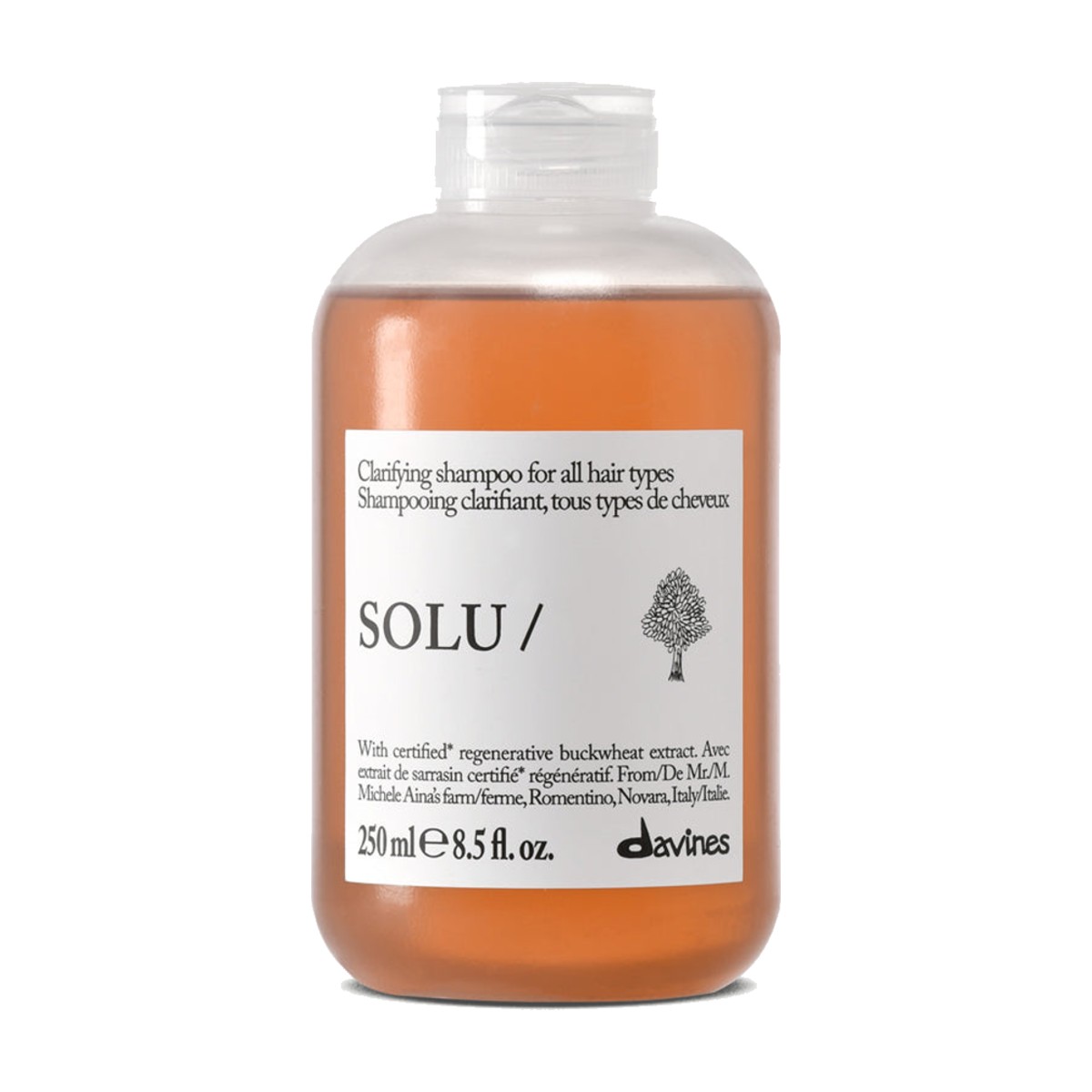
Davines
SOLU Shampoo
Every few weeks you need something that actually takes everything off, because gels and creams leave film behind and film is what makes curly hair go dull and stop responding. What makes this the pick is that it clarifies without a sulfate, a sulfonate or a sulfosuccinate anywhere in the list. It gets there on glucosides and sodium cocoyl alaninate instead. The honest part is that there's exactly one conditioning agent in the whole formula and nothing else to soften the blow, so your hair will squeak afterwards. That's the point of a reset, and it's why you follow it straight into step 2.
Step 2 · Every time you wash
Condition: Put the slip back so you can detangle without snapping anything
Conditioner isn't about softness here, it's about slip. A curl is a spiral, spirals tangle, and a tangled curl that you pull a comb through snaps. The conditioning agents in this step coat the strand so your fingers slide instead of catching, and the only time you should ever be detangling is right now, in the shower, with conditioner still in. Dry detangling is how you turn curls into frizz.
Anyone whose hair tangles, which is anyone with a curl in it.
- GoodDetangling with slip is the single biggest frizz saver
- GoodTakes thirty seconds and changes how the next three steps go
- GoodA weekly deeper one covers the damage from heat and weather
- TradeoffToo much on fine hair and everything goes flat
- TradeoffRinse it properly or the leave-in has nowhere to go
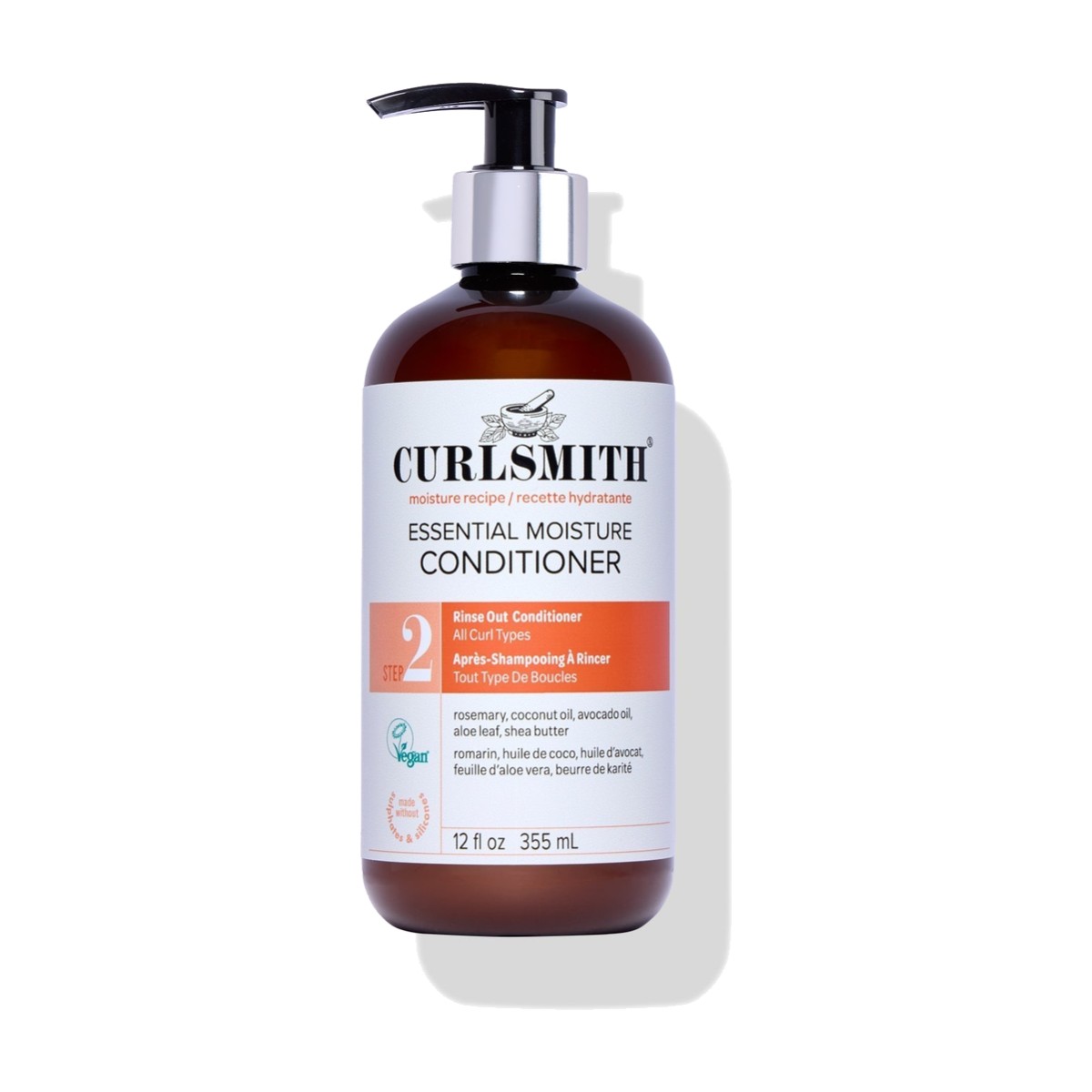
Curlsmith
Essential Moisture Conditioner
This is the everyday one, and the ingredient order shows exactly what it's for. Cetearyl alcohol sits second and behentrimonium chloride sixth, which is the textbook pairing for slip: the fatty alcohol gives the conditioner its body and the conditioning agent is what makes your fingers glide instead of snagging. There are no silicones in it, so nothing builds up and nothing fights the leave-in you're about to put on. Use it as your detangling window. Get it in, run your fingers or a wide comb through from the ends up, then rinse.
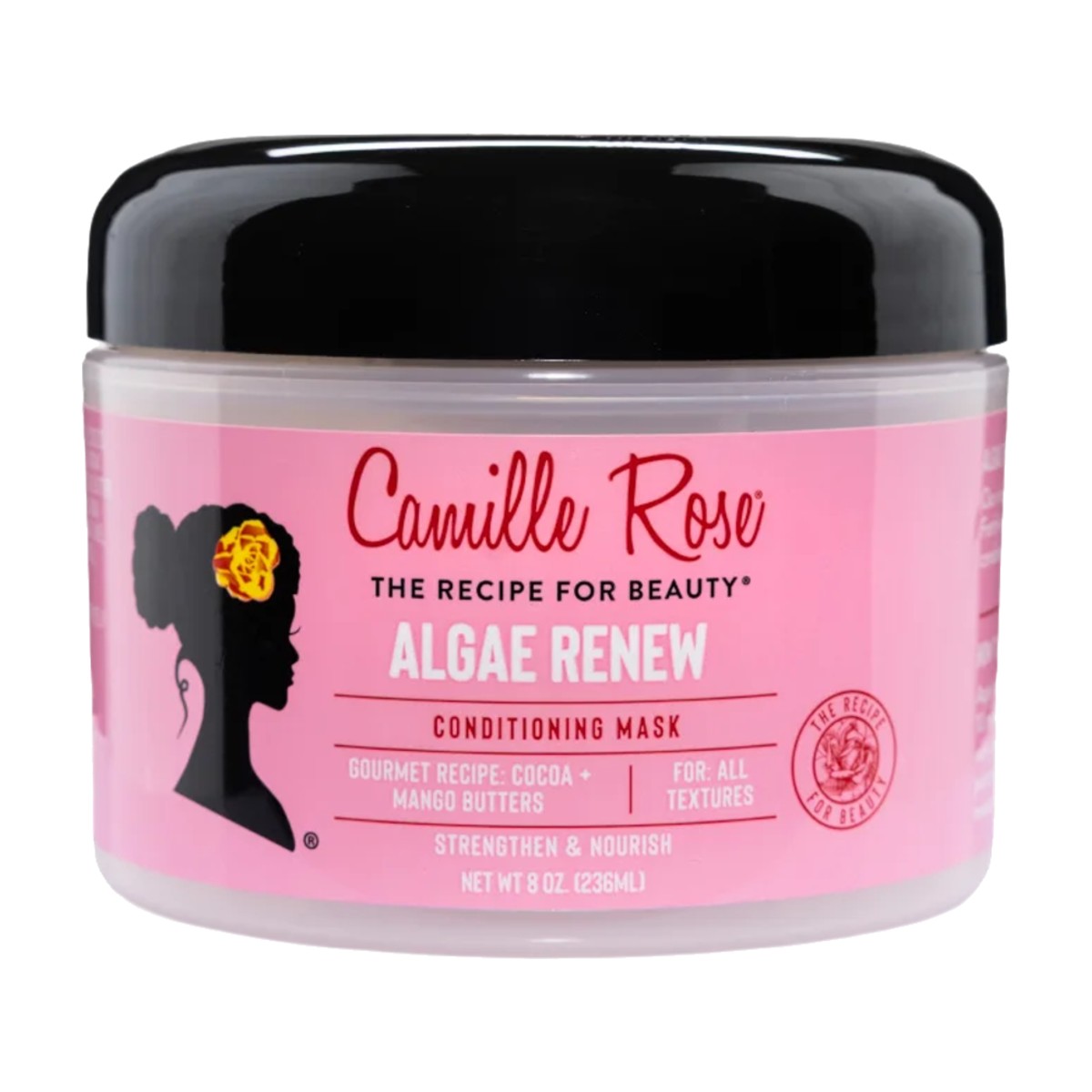
Camille Rose
Algae Renew Deep Conditioner
Once a week, and always after the clarifying wash, you want something with more in it than slip. This is built on a stack of four butters, shea, coconut, cocoa and mango, sitting over behentrimonium methosulfate at fifth. Butters that high in a list means real substance rather than a claim, and that's what thick, coarse or color-treated curls need to stop getting brittle at the ends. Worth being straight about one thing: the blue green algae the product is named for sits right down in the tail of the list, among the ingredients at 1% or less, so it's the butters doing the work here, and the butters are good.
Step 3 · On soaking wet hair, every wash
Leave-in: The moisture that is still there when you style
Rinse-out conditioner leaves with the water. That's the whole point of a leave-in: it's the hydration that survives the towel and is still in your hair when you put a styler over it. This goes on hair that's properly wet, not damp, because water is what lets a curl clump in the first place and the leave-in is there to slow that water down. If you only add one product to what you're already doing, add this one.
Everyone, and especially anyone who's been using a gel alone and wondering why it goes crunchy and dry.
- GoodThe step that makes a cheap styler behave like a good one
- GoodStops the frizz that shows up an hour after you leave
- GoodDoubles as the detangler if you comb it through wet
- TradeoffHeavy ones flatten fine hair fast
- TradeoffOn dry hair it does almost nothing, so get in the habit of wet
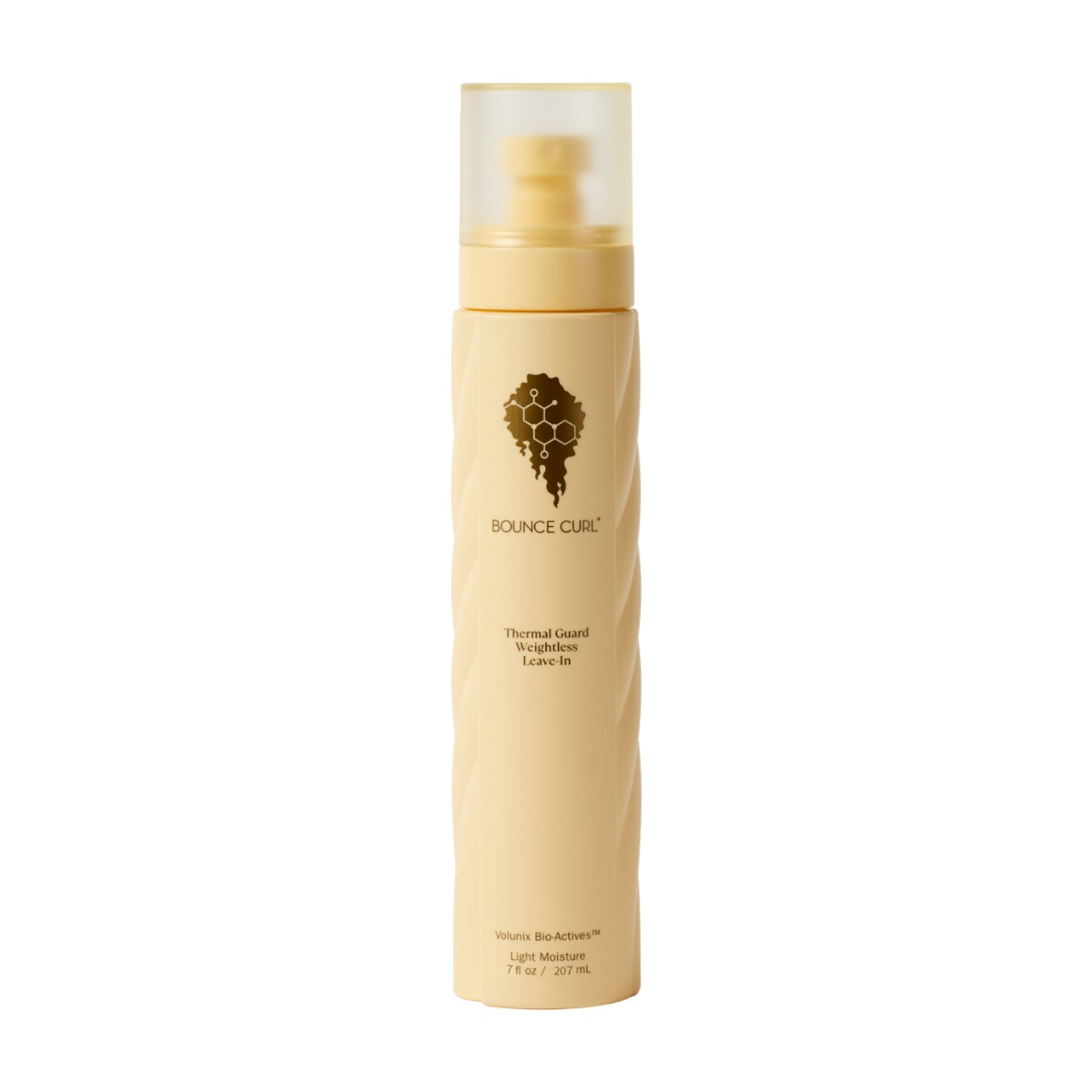
Bounce Curl
Thermal Guard Weightless Leave-In
If your hair is fine or wavy, every leave-in you've tried has probably flattened it, and this is the one built not to. We checked all 35 ingredients and there's no silicone, no butter and no hold polymer in any of them. What's left is aloe juice at first, ahead of water at fifth, with cetearyl alcohol third for a bit of body and galactoarabinan at tenth, a light polysaccharide that forms a thin film without weight. It clumps curls together and then gets out of the way, which is exactly what you want under a styler.
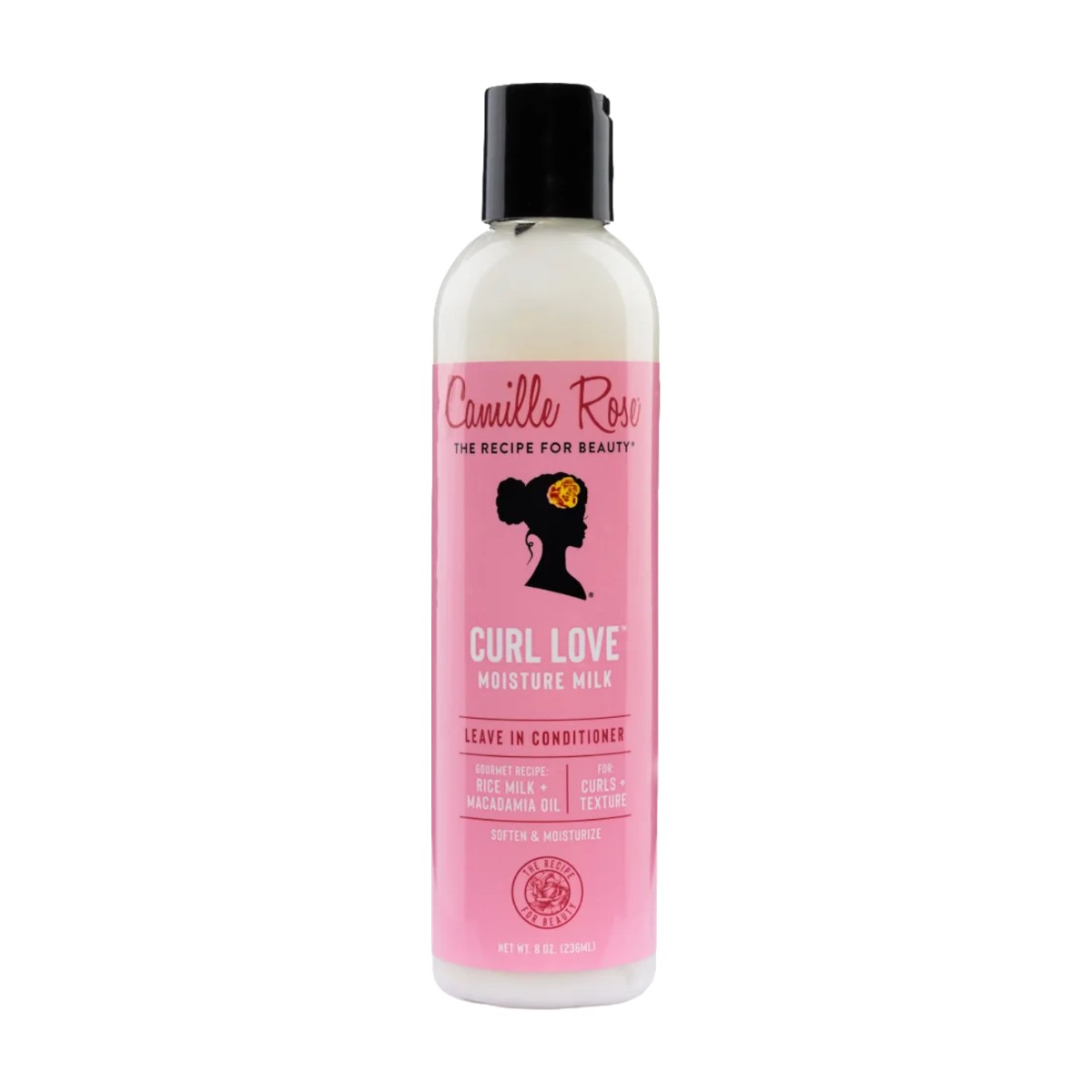
Camille Rose
Curl Love Moisture Milk
The name says milk, which usually means light, and the ingredient list says something else. Behentrimonium methosulfate sits second of only seventeen ingredients, and then there are four oils in the next six slots: avocado, rice bran, castor and macadamia. That's a rich product, and for thick, coarse or coily hair that's exactly right, because those textures lose water faster than any other and a thin spray evaporates off them. It clumps and seals at the same time, which is why curls still look alive on day three instead of going dusty. It's also the cheapest thing on this whole page.
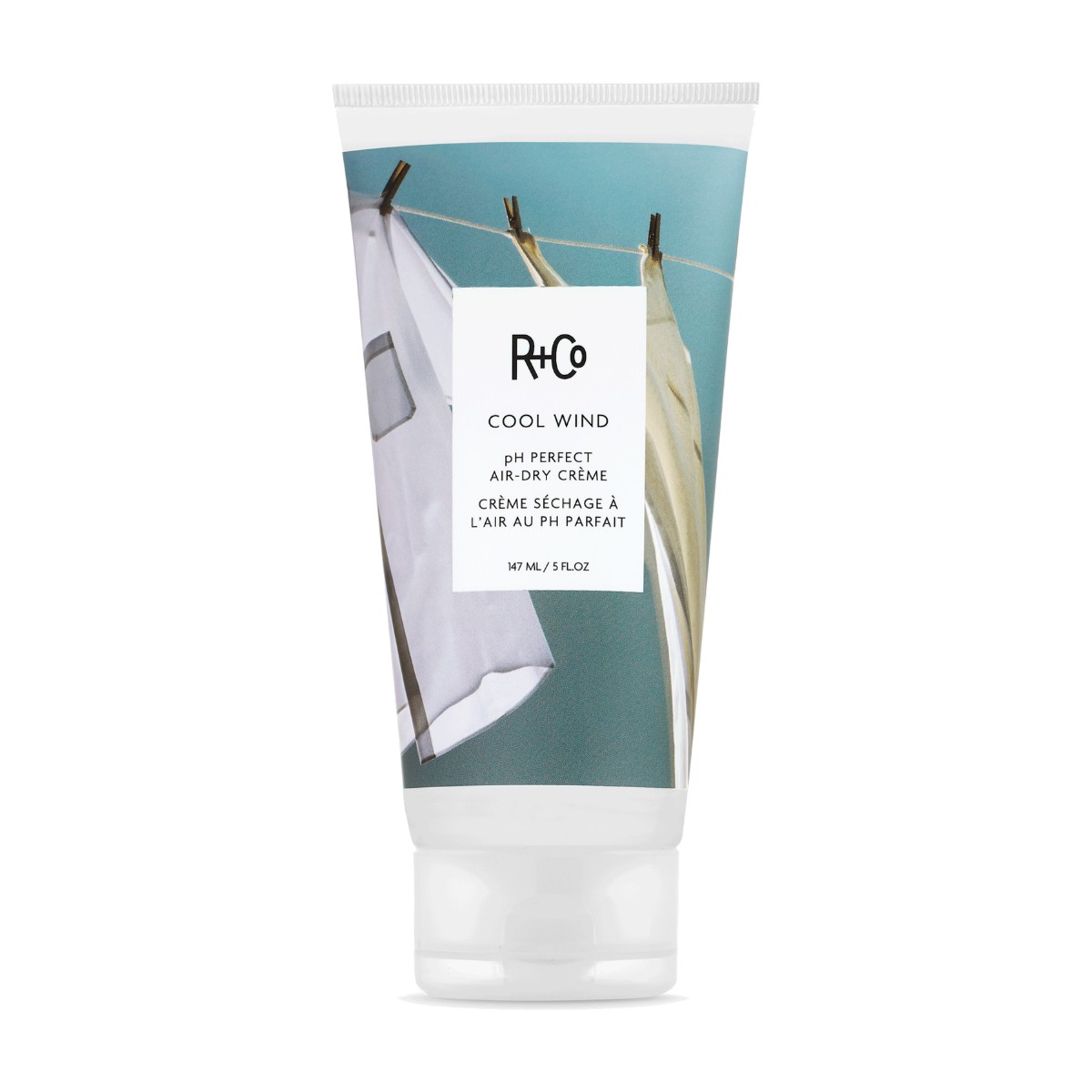
R+Co
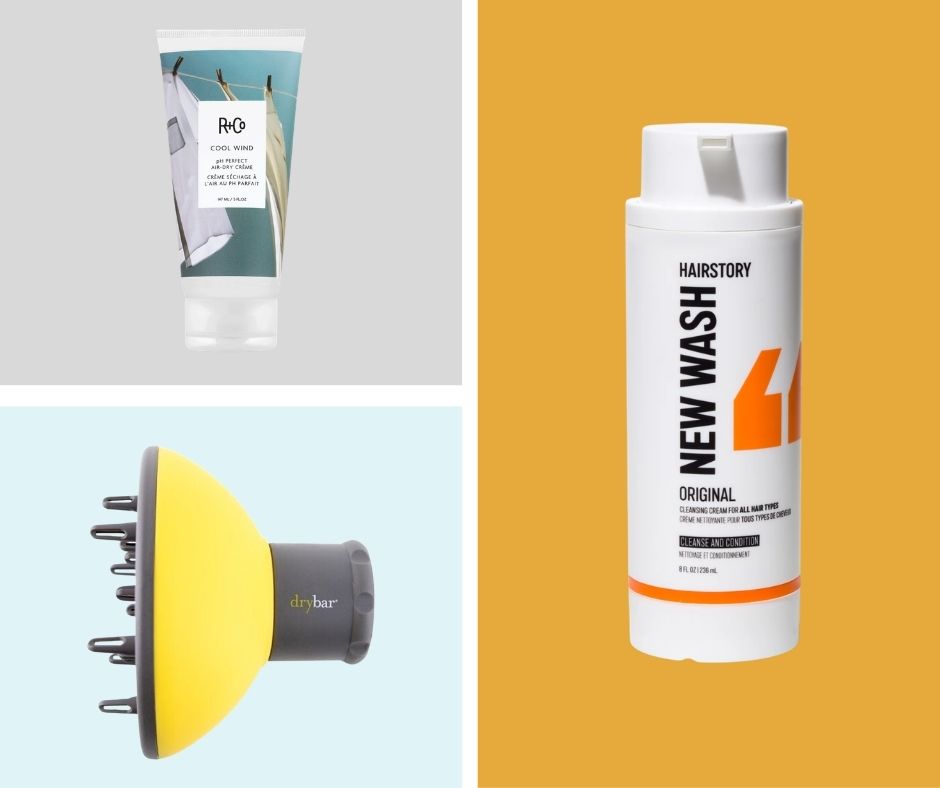
COOL WIND pH Perfect Air Dry Crème
Sold as an air dry cream, and the ingredient list tells you what it really is: dimethicone at fourth, phenyl trimethicone at seventh and dimethiconol at tenth. Three silicones inside the top ten is a serious moisture barrier, and that's the single best defense against humidity there is. Frizz is water from the air pushing its way into the strand and swelling it, so if you live somewhere wet and your hair behaves right up until you open the front door, this is the pick. It's the heaviest leave-in here, and in this case the weight is the feature.
Step 4 · Every wash, on wet hair, before you dry
Style: The only step that decides what your hair looks like
This is where the look is won, and it's also the step where the labels help you least. A product either clumps, casts or seals, and a lot of bottles say one thing while the ingredient list says another. We read all of them and sorted these five by how hard the cast actually sets, from one that has no hold ingredient in it at all to one that dries stiff on purpose so you can crush it soft again.
Everyone. If you buy one thing off this page, buy the one in here that matches how much crunch you can live with.
- GoodSorted by what the formula does, not what the label claims
- GoodCovers no cast, soft cast and hard cast, so there is a fit
- GoodThe cheapest one here is also the strongest holding
- TradeoffUse too much and any of these will go stringy
- TradeoffA hard cast looks wrong until you scrunch it out, which people skip because nobody told them to
The five stylers
Sorted by how hard the cast sets
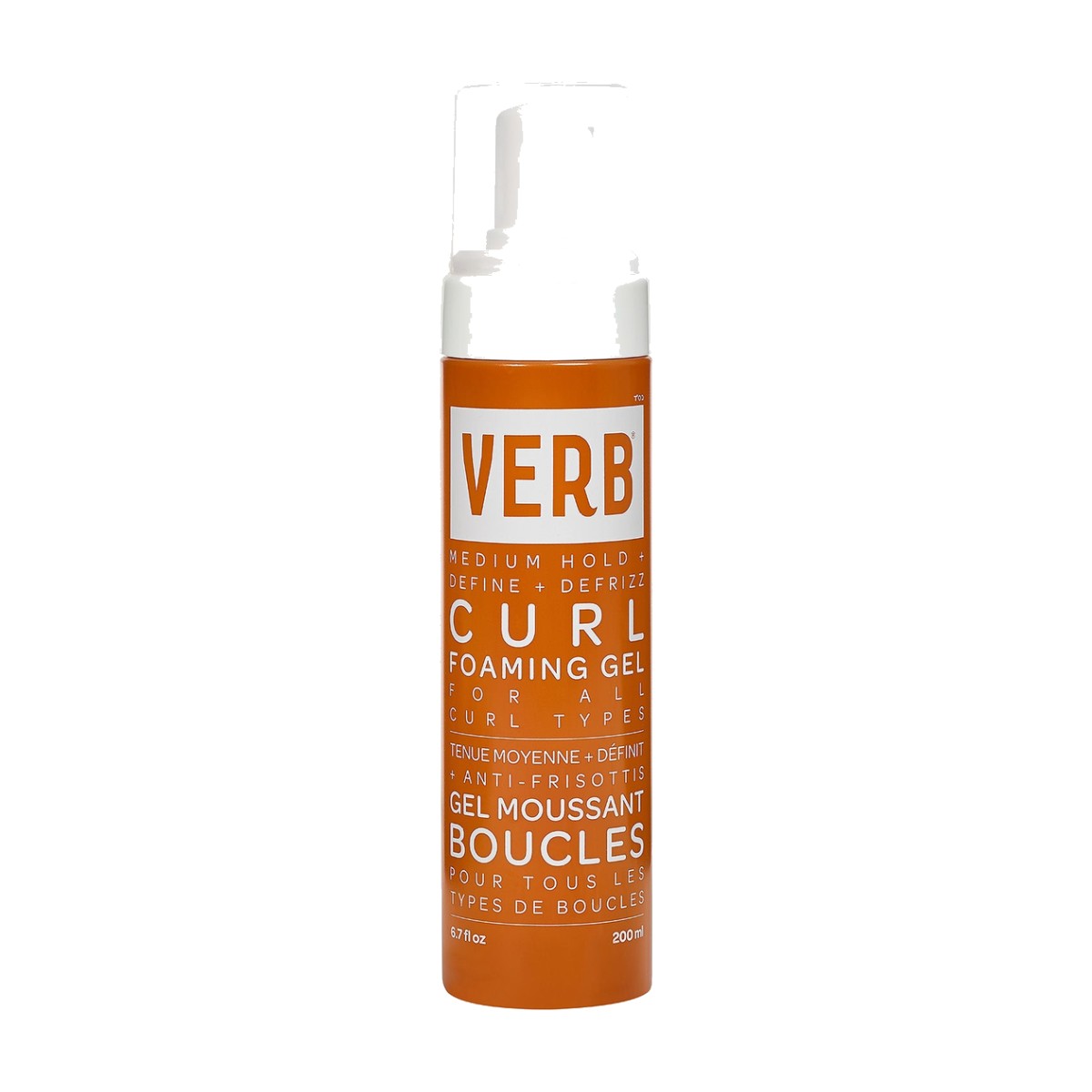
Verb
Curl Foaming Gel
A lot of stylers promise crunch-free. This is the one where you can prove it. We went through all 39 ingredients looking for a hold polymer and there isn't one: no PVP, no VP/VA copolymer, no acrylates, nothing. What's near the top is hydroxypropyltrimonium hydrolyzed corn starch at second and polyquaternium-10 at third, which are conditioning film formers. They pull curls together into clumps and hold them there while they dry, but they never set hard. So the finish is soft and touchable from the moment it dries, and there's no cast to break up afterwards.
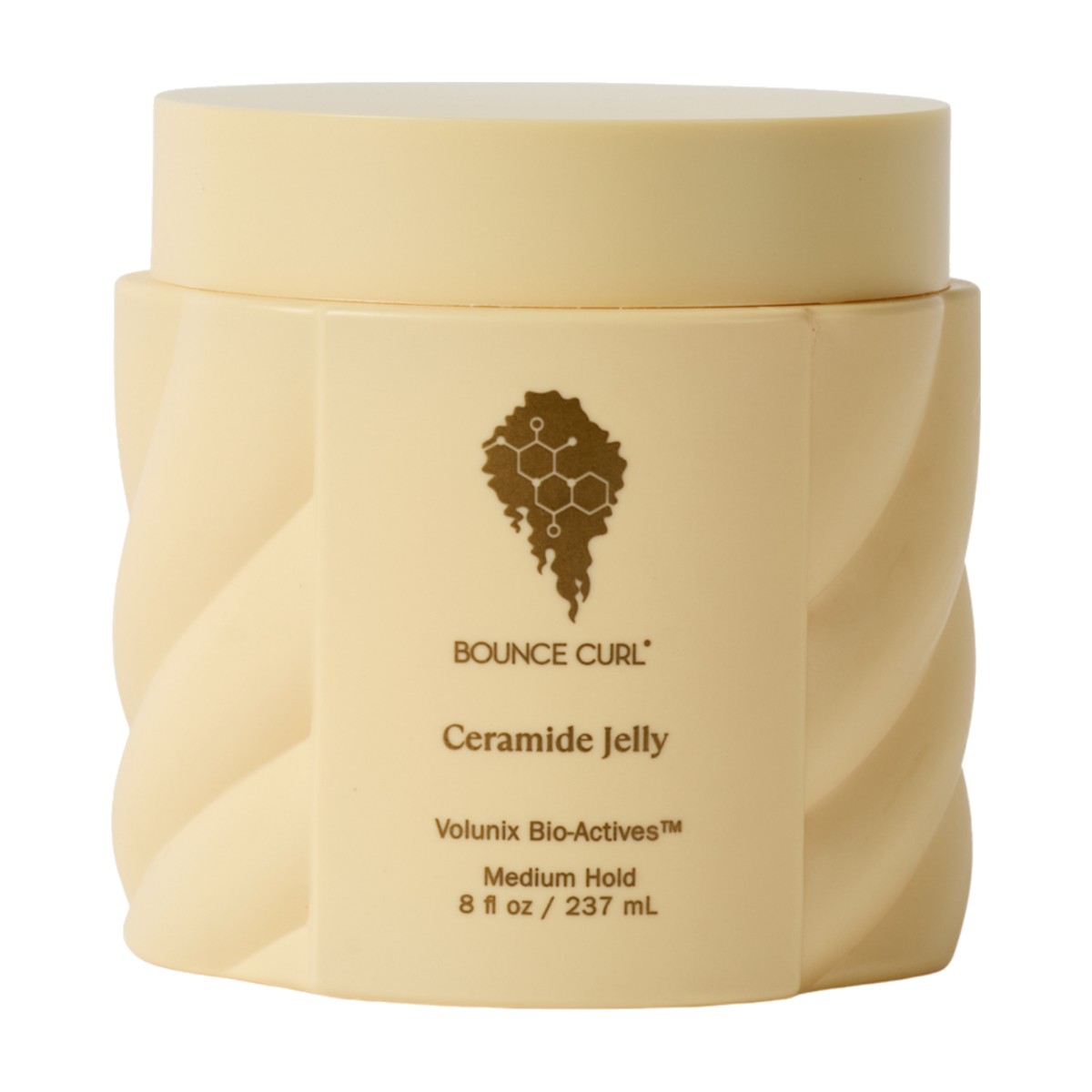
Bounce Curl
Ceramide Jelly
Between no hold and real hold there's a gap, and this fills it. The film former here is maltodextrin and VP copolymer at second, which is worth knowing about because it behaves differently from the PVP and VP/VA that most gels use. It sets far more gently, so you get definition that survives the day without the hard shell. That makes it the rare product where a medium hold and never crunchy claim holds up under the ingredient list. There's also ceramide 3 at seventh, which you almost never see in a styler and which helps the cuticle lie flat.
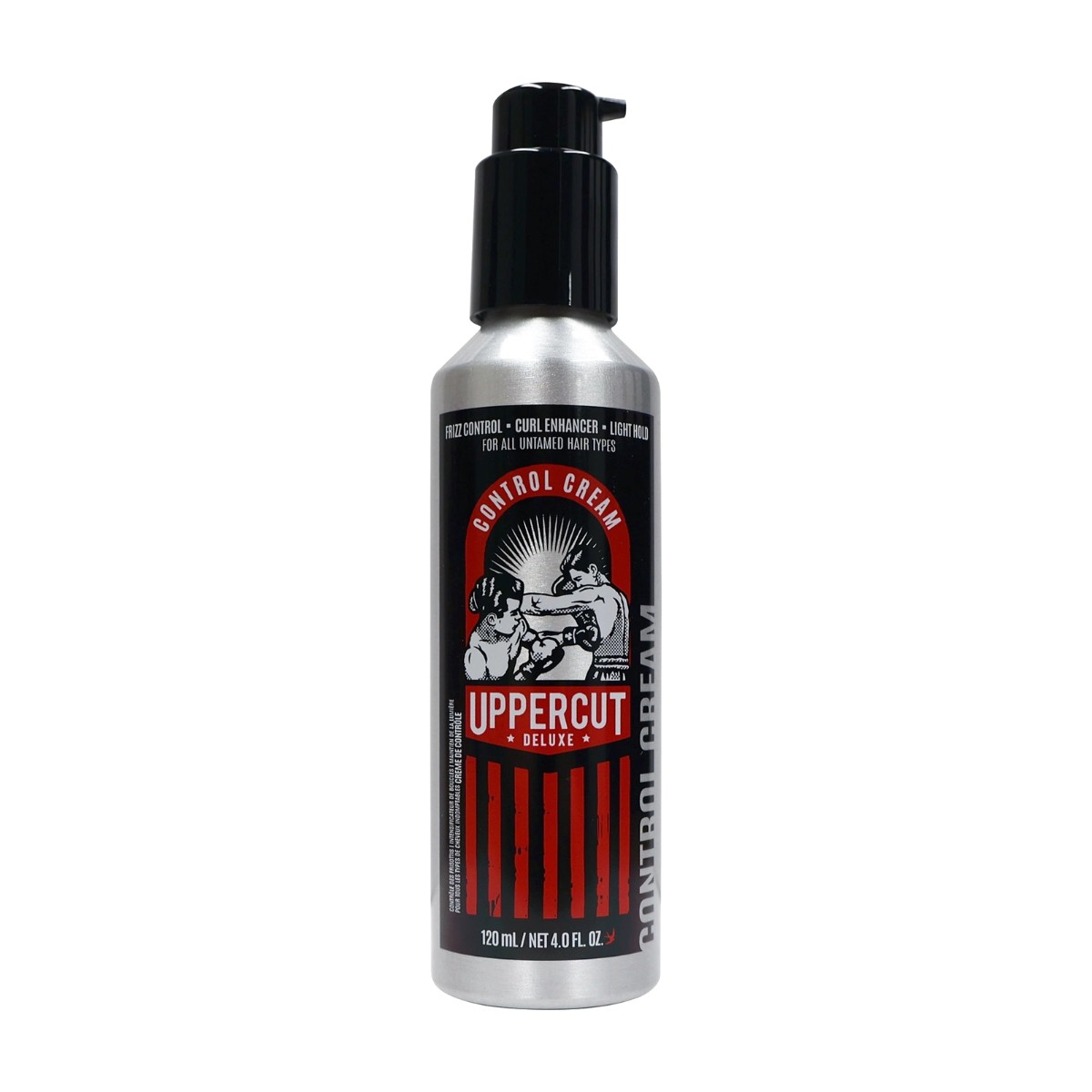
Uppercut Deluxe
Control Cream
The men's-brand pick, and the one to hand a guy who won't walk into a curl aisle. It's sold as a light, barely-there styling cream, and the interesting part is where PVP sits: sixth of eighteen. Everything ahead of it is the cream base, water, emulsifiers, glycerin and a fatty alcohol, so PVP is the first thing in the tub that's there to hold anything. It also sits above the fragrance, which is a decent rough marker for where the 1% line falls. In practice that means this holds meaningfully better than a cream usually does, with a low shine, natural finish rather than a wet one. It's also the cheapest styler on this page and it rinses out with water.
Curlsmith
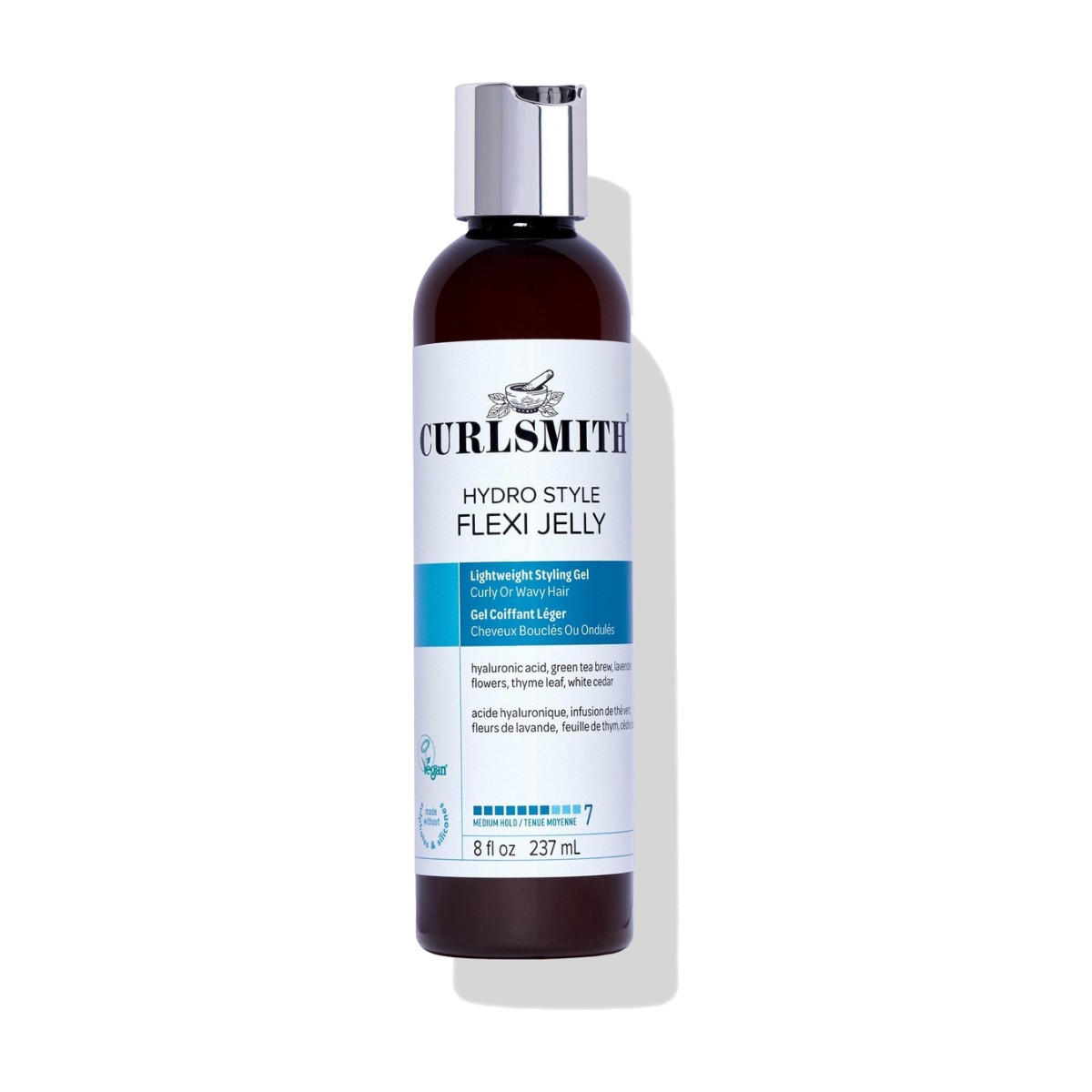
Hydro Style Flexi-Jelly
Curlsmith does something almost nobody else does: they publish a numeric hold level, they say a cast forms, they admit it feels slightly crunchy at first, and they tell you to scrunch it out. The ingredient list backs all of that up, with PVP sitting second of twenty-seven. What makes this the best all-rounder in the band is what isn't in it. There are no oils and no butters anywhere, so it gives you strong definition with zero weight, which means fine hair can use a genuinely strong-holding product without going flat.
Jessicurl
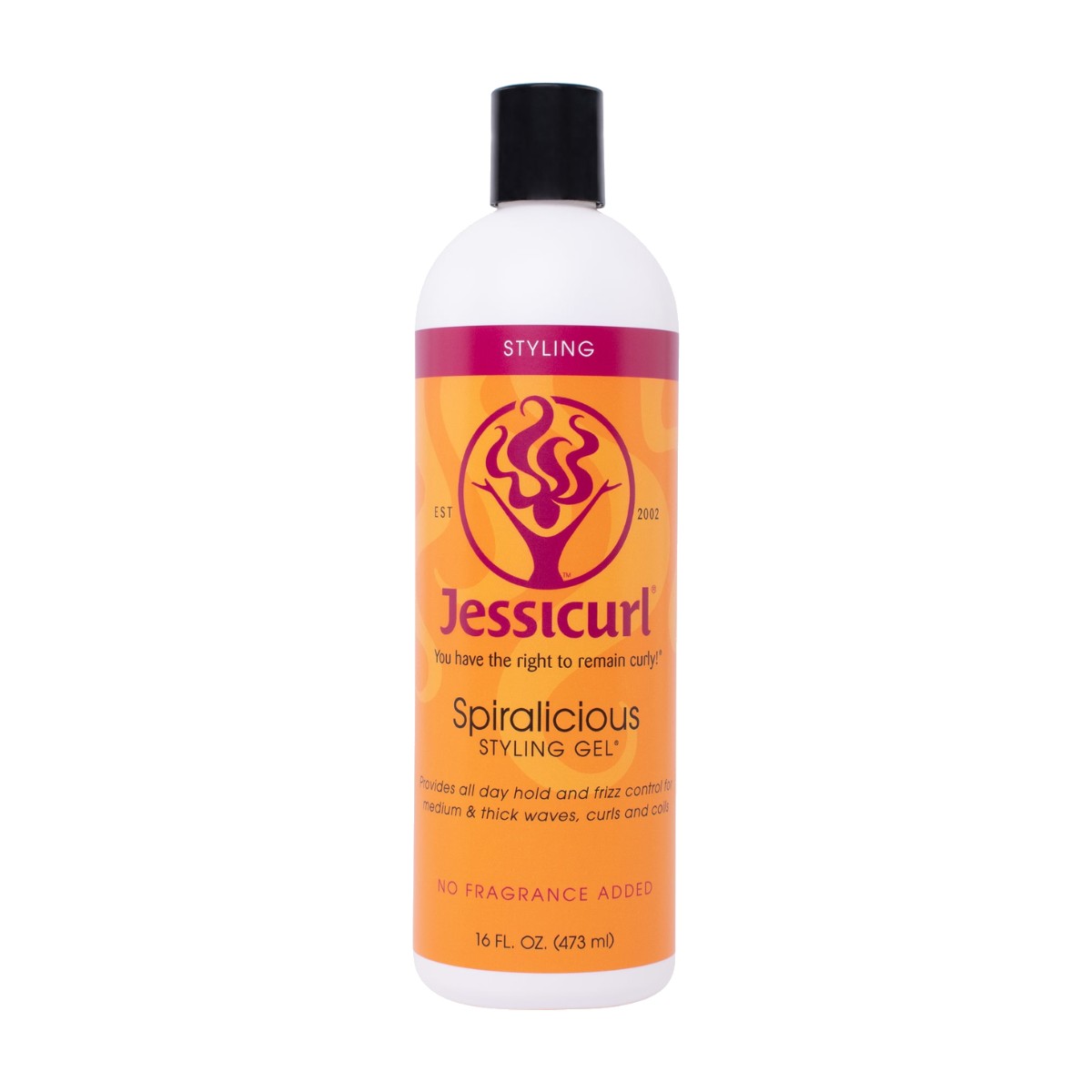
Spiralicious Styling Gel
The strongest thing here and also the cheapest, which is a combination you don't see often. The formula runs to ten ingredients total, with polyquaternium-69 at second and polyquaternium-11 at fifth. Two film formers that high in a list that short is a lot of holding power per pump. Jessicurl is upfront that a cast forms and that you scrunch it out afterwards to reveal soft curls, so the marketing and the formula agree completely, which is rarer than it should be. This is the pick for thick or coarse hair, for humid places, and for anyone whose style has historically died by noon.
Step 5 · Right after you style, while it is still soaking
Dry: Lock the shape before it falls apart
Here's the step almost nobody buys, and it does more than any single bottle above it. Air drying isn't the safe option it sounds like. A study in the Annals of Dermatology put numbers on it: hair took over two hours to dry on its own, and the naturally dried group was the only one that showed damage to the cell membrane complex, which the authors put down to that long contact with water rather than to heat. On top of that, every time you move during those two hours, the clumps you just made break apart. Pointing a bare dryer at it is worse, because that's a jet of air aimed straight at the thing you're trying to hold together. A diffuser spreads the air out so it dries fast with the shape left alone.
Anyone who's done every step above and still watched it go flat by lunch.
- GoodCuts drying time to minutes instead of hours
- GoodSets the shape while it is still forming, so it holds all day
- GoodCosts less than most of the bottles on this page
- TradeoffAdds five to ten minutes to your morning
- TradeoffToo much heat too close will undo the point of it
Drybar
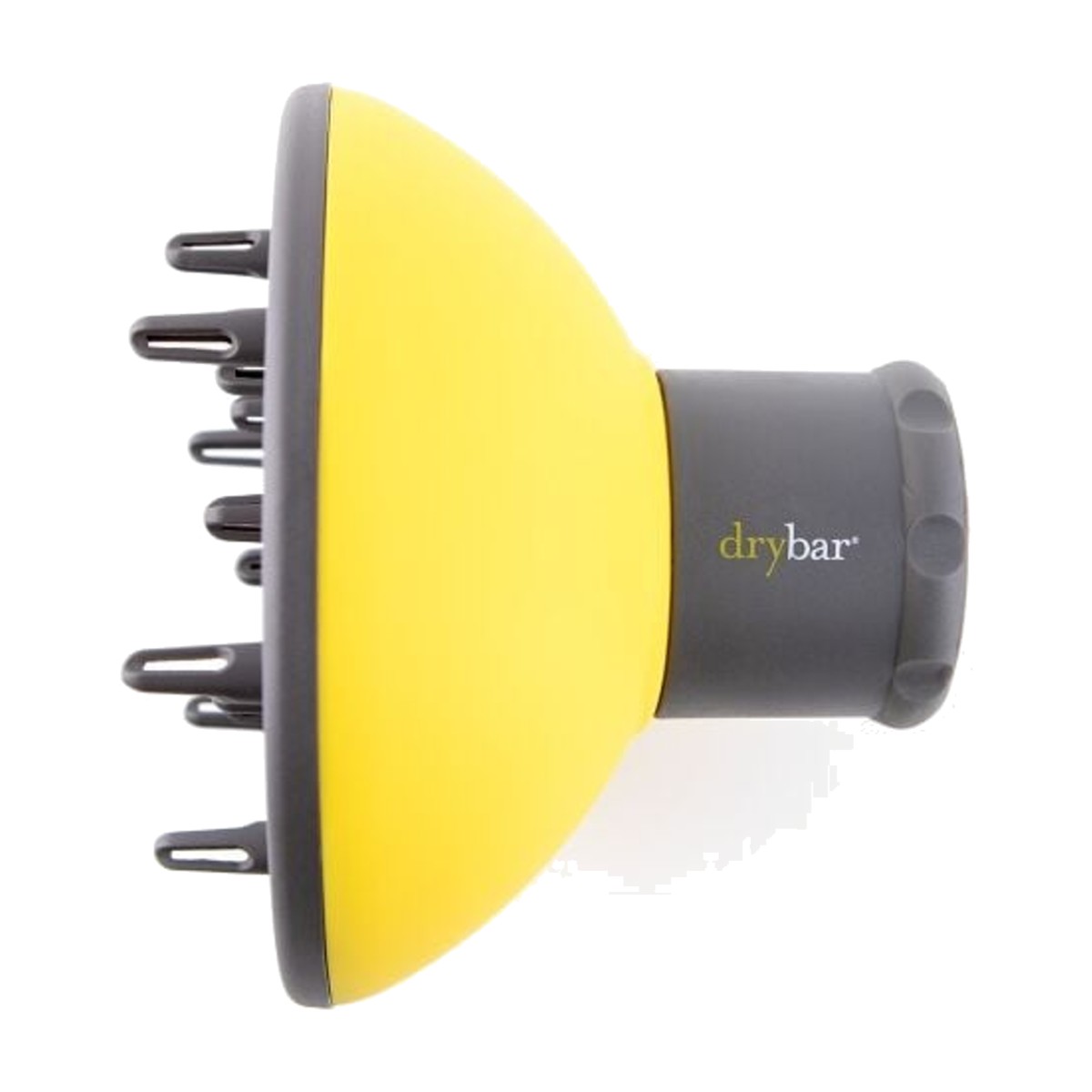
The Bouncer Diffuser
A diffuser takes the narrow, fast stream of air a dryer makes and spreads it out over a wide area, which is the difference between drying a curl and blowing it apart. The reason it matters more than it sounds: letting hair air dry leaves it swollen with water for two hours or more, and it's moving around the whole time, which breaks the clumps. A diffuser gets the water out in minutes with the shape held still. This one is the pick because it fits dryers other than its own, so you can clip it onto whatever you already have.
Step 6 · The mornings in between washes
Day two: Bring it back without starting over
Curly hair is not a daily wash situation, so most of your mornings are day two and day three mornings. The trick is that the product from wash day is still in there, it's just been slept on. You don't need to reapply everything, you need to put a little water back so the cast can re-form, and then seal the ends that went fuzzy overnight. Two products, thirty seconds, and you skip a wash.
Anyone on the two or three washes a week schedule, which is where curly hair wants to be.
- GoodStretches one wash across three or four days
- GoodMuch faster than running the whole routine again
- GoodSaves the product you already put in rather than layering more
- TradeoffPiling on more styler instead of water is what causes buildup
- TradeoffPast day four you need an actual wash, not a refresh
amika
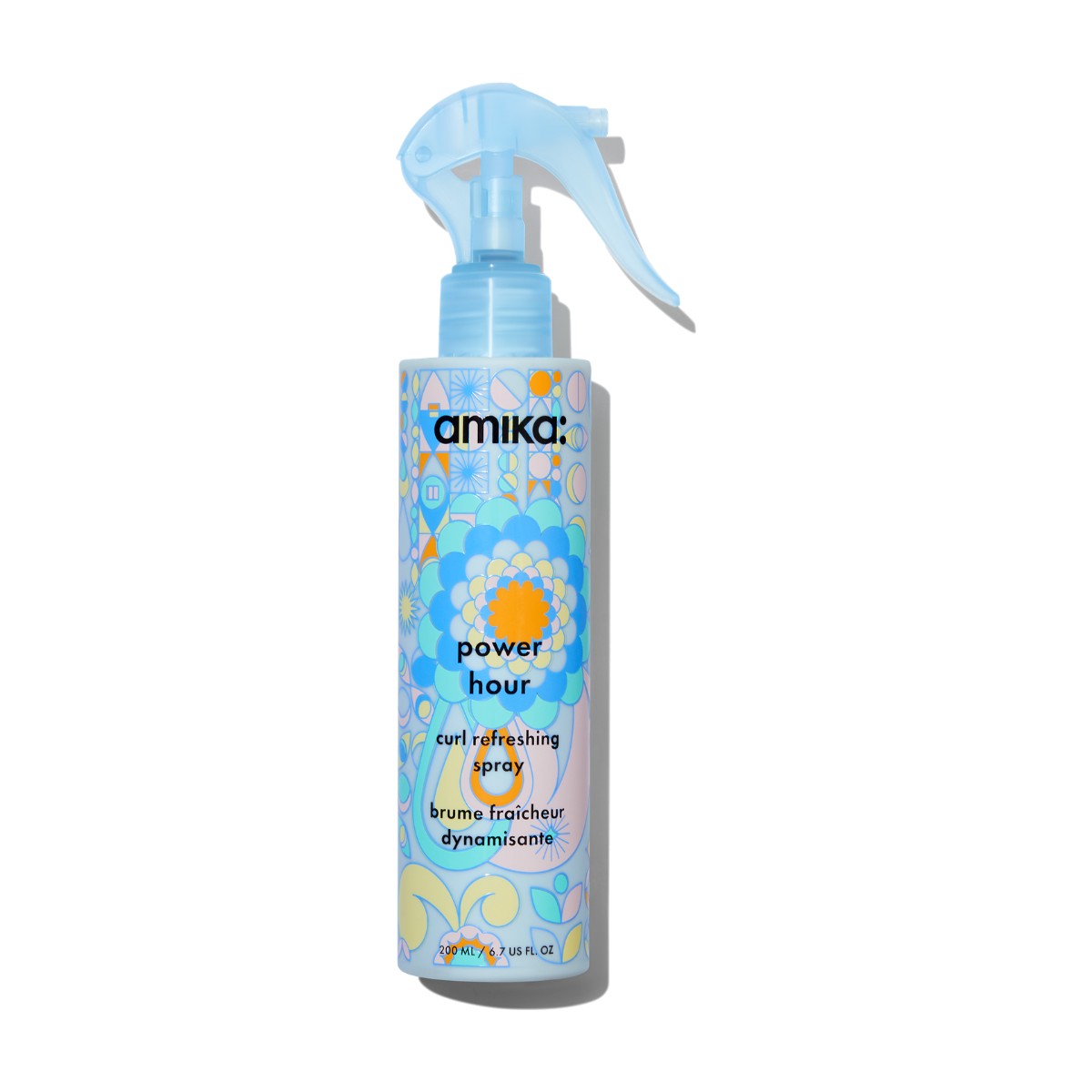
Power Hour Curl Refreshing Spray
The thing to understand about day two is that the product from yesterday is still in your hair. It hasn't gone anywhere, it's just been flattened. What it needs isn't another layer, it's water, because water is what lets a cast soften and re-set around the curl again. That's exactly what this does: glycerin sits second of thirty-four, which is a humectant pulling moisture in, and amodimethicone at fourth is a light silicone that stops it evaporating straight back out. Mist it, scrunch, and you're done.
Verb
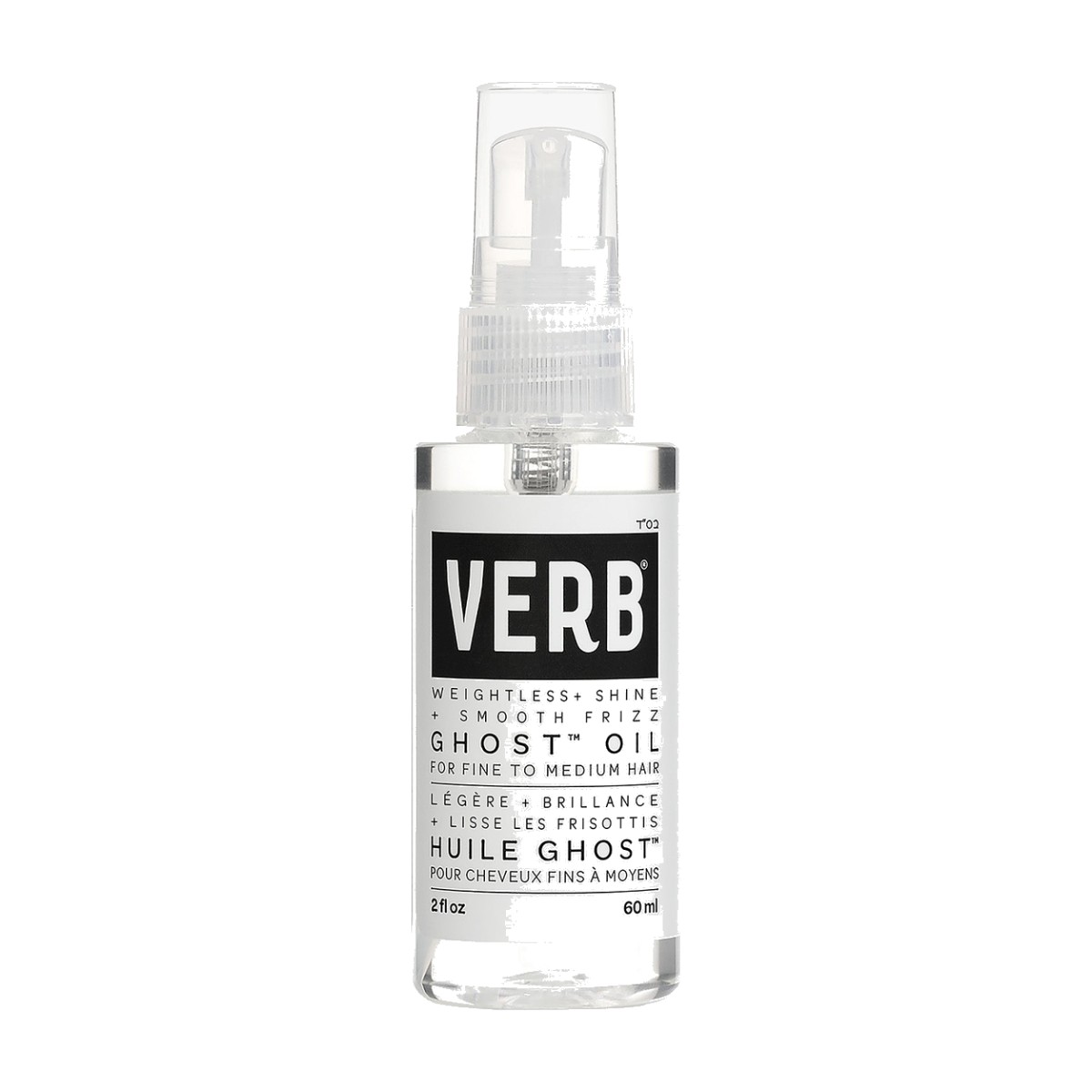
Ghost Oil
This is the last thing you touch and it only has one job. The top three ingredients are cyclopentasiloxane, dimethiconol and dimethicone, which is a pure silicone blend with no humectant up there at all. That tells you precisely what it is and isn't: it does not hydrate, it seals. On day two and three that's correct, because the fuzz on your ends is cuticle that's lifted, and a light silicone lays it flat and puts shine back without adding any hold or any weight at the root. The first ingredient is also volatile, so a lot of it flashes off and what stays behind is very little.
Questions
