 Skip to content

Gentlest to harshest
Every texturizer works by roughing your hair up
That sounds like a complaint. It isn't. Roughing hair up is the entire mechanism: a smooth, well behaved strand slides against its neighbours and lies flat, and a rougher, drier one grips and stands up. Texture is friction.
So the only question that matters is how much roughing up a product does, and that turns out to be easy to answer, because there are only five ingredients doing the work in the whole category. This page runs from the gentlest to the harshest and tells you which one is in every bottle.
Every product here names the ingredient doing the work on its own ingredient list, and we've quoted it on each card. That one check sorts the category fast. It's how we found a clay with no clay in it and a beach spray with no salt, and it's why a couple of good brands aren't on this page at all.
The whole field
All sixteen on one ladder
Hover a dot to see the product and what does the work in it. The left end adds material to your hair. The right end takes water out of it.
Before you buy anything
The five things that actually do the work
There are only five things doing the work across this whole category, and once you can spot them on a label the marketing stops mattering. Every product on this page is sorted by which of these it uses, not by what the front of the bottle says.
Wax
Adds, never strips
Beeswax, candelilla, carnauba. They coat the strand and set as they cool, so hold comes from material you added rather than from anything taken out of your hair.
- RoughnessGentlest
- Your hair's waterLeaves it alone
- Safe dailyYes
Clay
Kaolin and bentonite
A powdered mineral that absorbs the oil on your hair. Less oil means less weight, and the mineral left behind stops strands sliding past each other.
- RoughnessMild
- Your hair's waterTakes oil, not water
- Safe dailyA few times a week
Silica
The grit in every powder
Absorbs oil and creates friction between strands at the same time. Silica silylate is the treated version and grips harder than plain silica does.
- RoughnessModerate
- Your hair's waterTakes oil, and then some
- Safe dailyTwo or three days a week
Alcohol and resin
What most texture sprays really are
The alcohol is a carrier that flashes off in seconds, leaving a film-forming resin welded between your strands. No grit involved at all, despite how these are usually sold.
- RoughnessHarsh
- Your hair's waterDries as it evaporates
- Safe dailyNo
Salt
Magnesium sulfate and sodium chloride
Pulls water out of the hair shaft and roughens the cuticle on the way out. That dehydrated, roughened strand is exactly what makes a beachy wave hold its bend.
- RoughnessHarshest
- Your hair's waterPulls it out
- Safe dailyNo
Texture finder
Four questions, and it returns the band you should be shopping in plus the three products here that suit you best. It will also tell you when what you want and what your hair can take are pulling in different directions.
What's your hair like on top?
How often do you wash it?
What are you actually after?
Does your hair get dry?
The picks
All sixteen, gentlest to harshest
Filter by band, or just read straight through.
Gentlest · Daily, on any hair
Waxes, creams and pastes: They add something instead of taking something away
Everything in this band works by putting material onto your hair. Wax, a bit of starch, a film-forming polymer. Nothing here strips oil out or pulls water from the shaft, which is why these are the only texturizers you can honestly use every single day without thinking about it. The tradeoff is that they weigh hair down, so if you're fine on top you'll feel it by lunchtime.
Your hair is thick, dry or both, and you want grip and separation without gambling on your hair's condition.
- GoodThe only band that is genuinely safe daily
- GoodWashes out with ordinary shampoo
- GoodWorks on dry and damaged hair where the rest of this page does not
- TradeoffAdds weight, which flat hair cannot afford
- TradeoffLeast dramatic texture of anything here
Jack Black
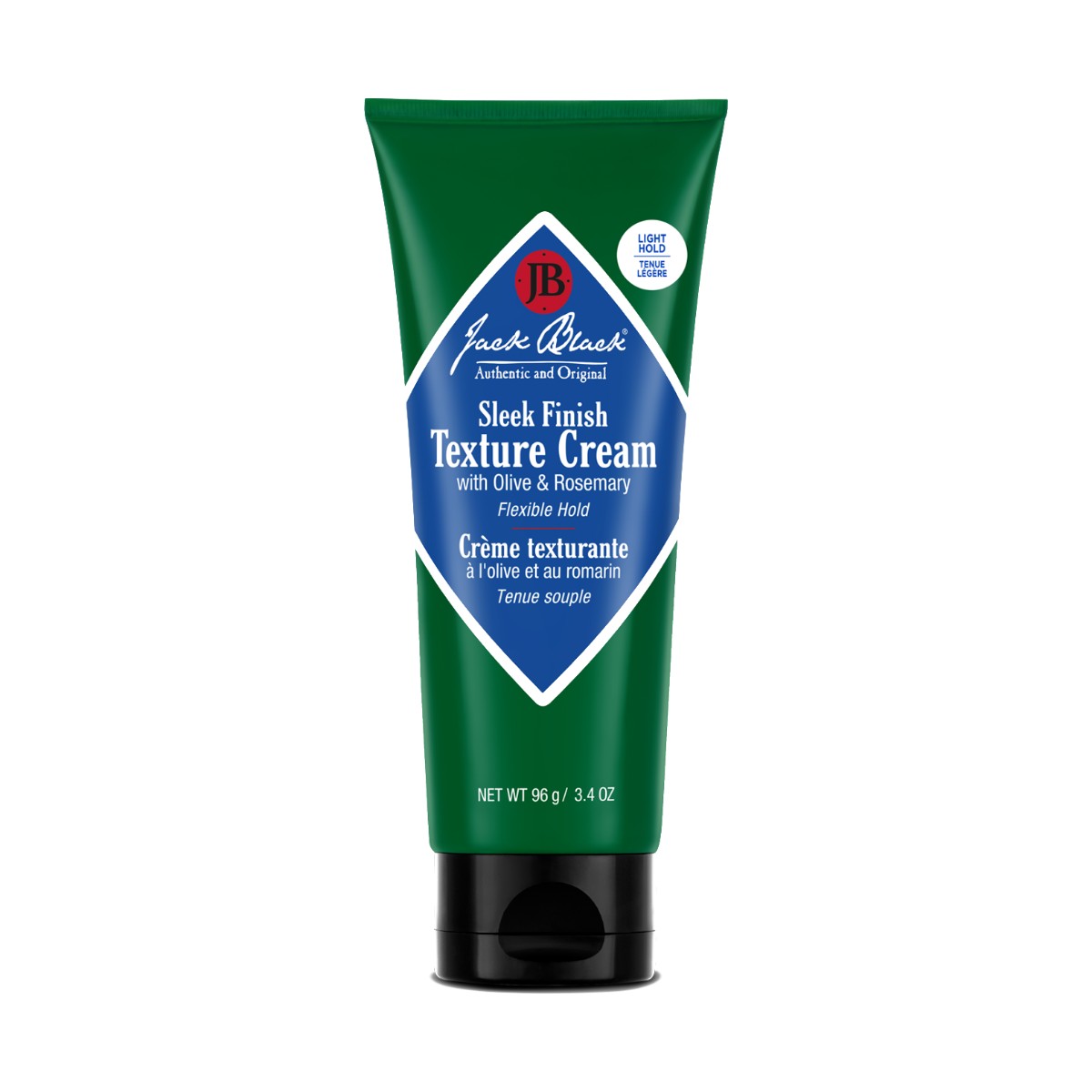
Jack Black Sleek Finish Texture Cream
A cream rather than a paste, so it spreads through damp hair without dragging and you can actually distribute it before it grabs. Read the order of the list and you can see how it works: a beeswax derivative sits third, which gives it body, and the VP/VA polymer sits eighth, which is what sets the shape once it dries down. The corn starch everyone quotes is 26th out of 33, so it's there to knock the shine back a notch rather than to add grit. That makes this the softest, most forgiving product on the page, and at sixteen dollars it's also the cheapest way to find out whether you even like textured hair.
Hairstory
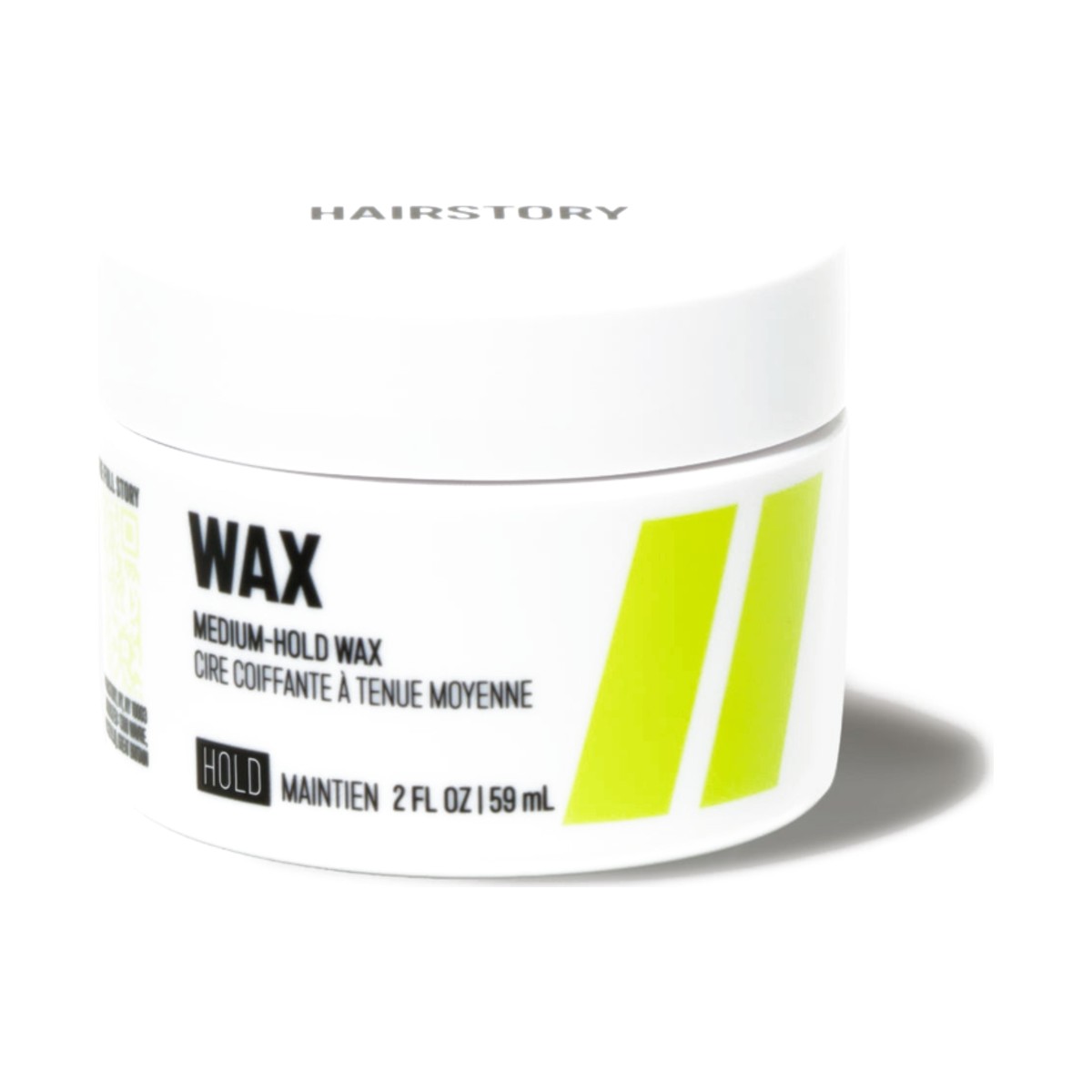
Hairstory Wax
Beeswax sits second here, right behind water, which tells you this is a genuine wax rather than a polymer product wearing the name. Beeswax is the soft, low-melting one, so it stays pliable and you can push your hair around again at four in the afternoon without wetting it down. The candelilla and jojoba esters further down are harder waxes that stop the whole thing going slack when it warms up, and the VP/VA at eighth adds the snap. Sixty ingredients is a long list, but the three that matter are all near the top.
Jack Black
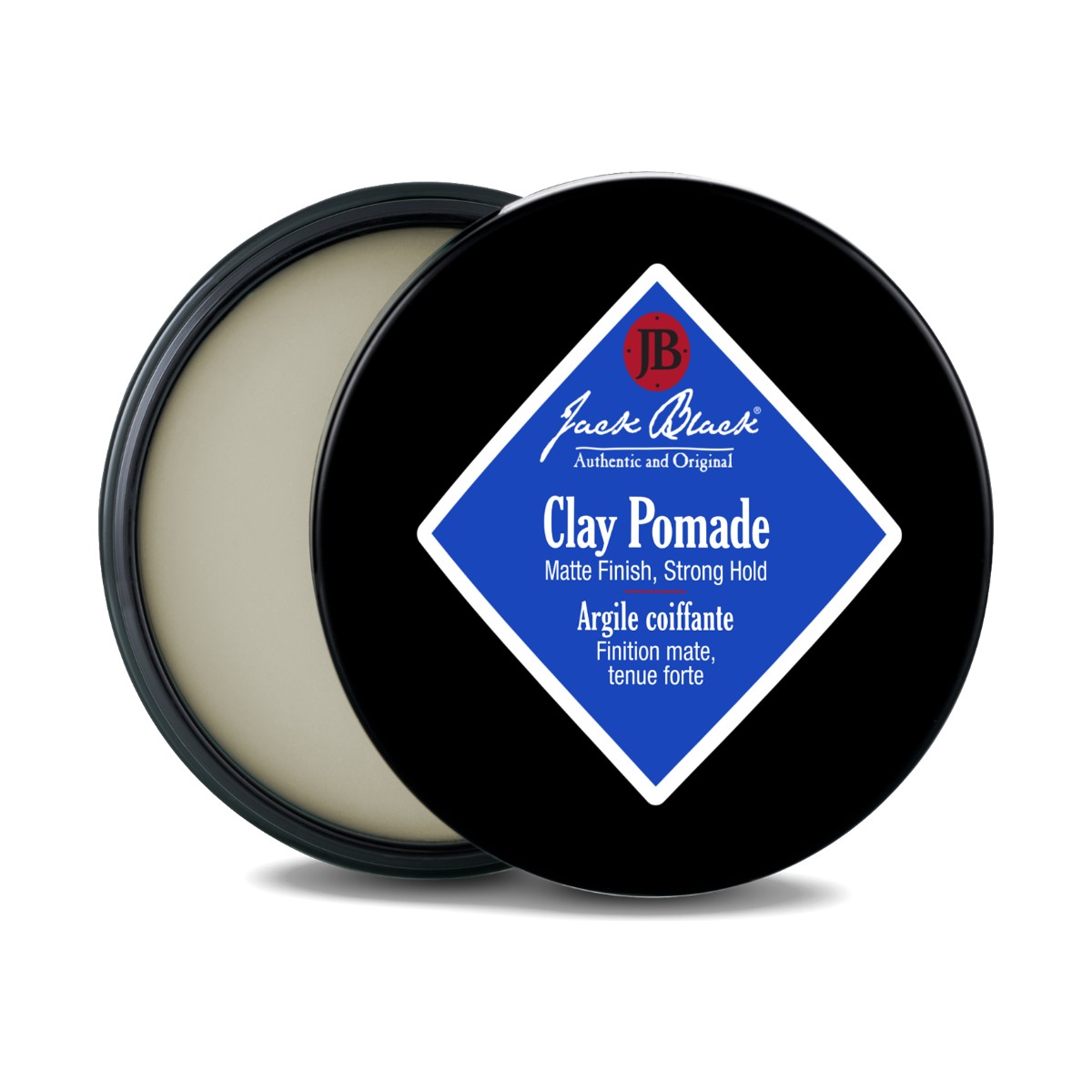
Jack Black Clay Pomade
This is a strong matte pomade and it's worth buying, but it's worth buying for what it is. We read all 43 ingredients and there's no kaolin, no bentonite and no silica in any of them. What's actually doing the work is candelilla wax at third, which is a hard, high-melting wax that gives you the firm hold, and PVP at eighth for the film. That combination is a wax pomade, which is why it sits in this band. The upside is that it behaves like a wax: it won't dry your hair out, and it reworks through the day in a way a real clay won't.

IGK
IGK Beach Club Soft Styling Paste
Rice starch is the gentlest way to get a matte, slightly gritty finish. Starch absorbs a little surface oil the same way clay and silica do, but the particles are soft and rounded rather than sharp, so you get the look without the scratchy feel or the drying. IGK sells it as a soft finishing cream, which is the right description. This is the pick if you like the tousled thing but your hair is too dry or too fine to survive an actual salt spray, and it's the one product in this band that leans matte rather than satin.
Mild · A few times a week
Clays: A mineral that drinks the oil out of your roots
Clay is kaolin or bentonite, a powdered mineral that soaks up the oil sitting on your hair. Less oil means less weight, and the leftover mineral sits between strands and stops them sliding past each other. That's the whole trick, and it's why clay gives you matte grip that wax can't. It's also the smallest band on this page, for a reason we get into below.
You want the classic matte, slightly messy look and your hair is normal to oily rather than dry.
- GoodMatte finish that lasts all day
- GoodReal grip without the shine of a wax
- GoodGentle enough for most hair a few times a week
- TradeoffThe mineral can leave a chalky cast on dark hair
- TradeoffHeavier than a powder, so not the pick for very fine hair
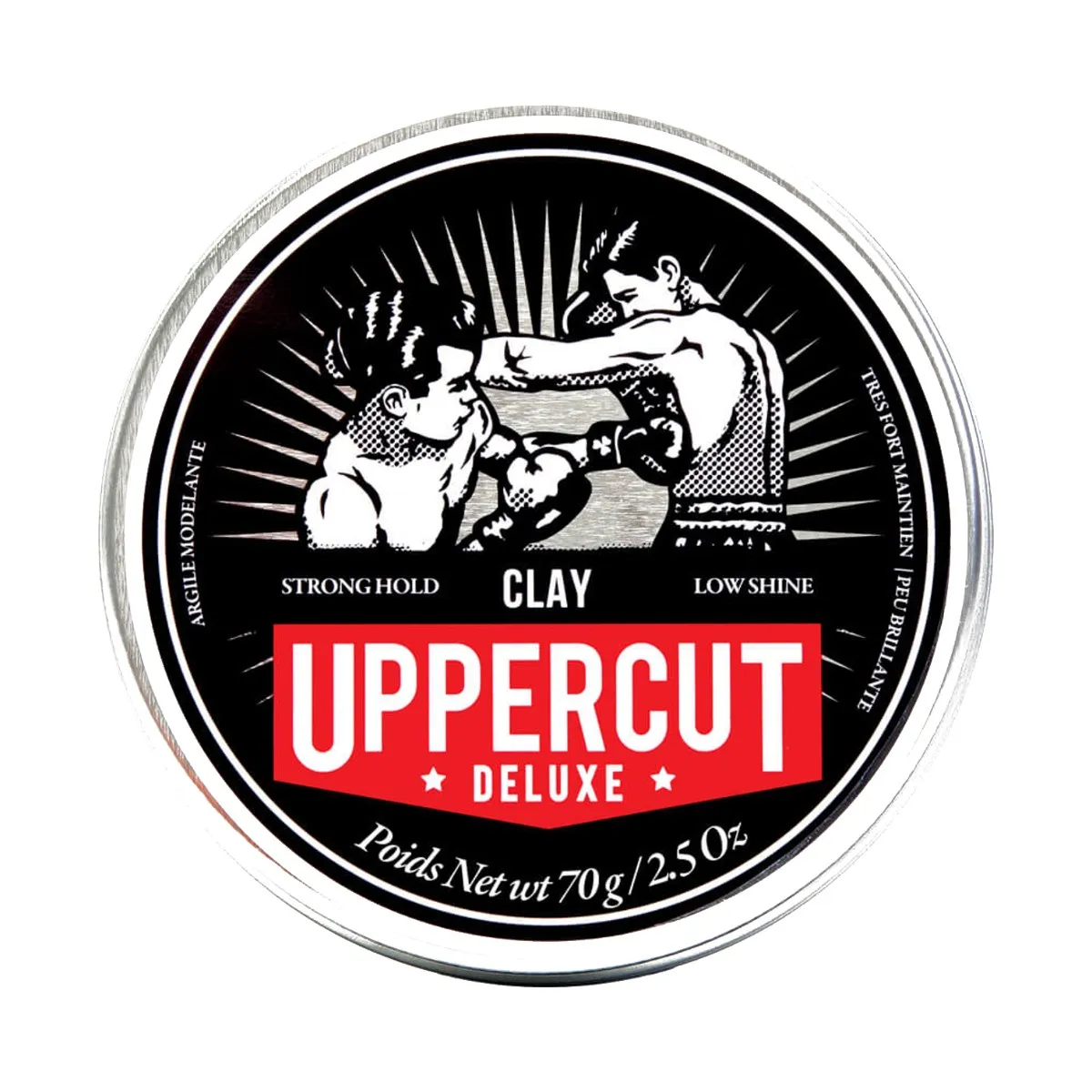
Uppercut Deluxe
Uppercut Deluxe Clay
Both of the clay minerals are in here, which is more than most products called clay manage. Bentonite swells and grips oil, kaolin is the finer one that delivers the matte finish. The thing worth knowing is where they sit: 12th and 13th, behind four waxes and mineral oil. So this is a wax pomade with a proper dose of clay in it rather than a clay base, and that's why it gives you the matte look of a clay with the reworkable feel of a wax. For most people that's the better combination. If you want pure mineral absorption, pick 6 has a much shorter list.

Jack Henry
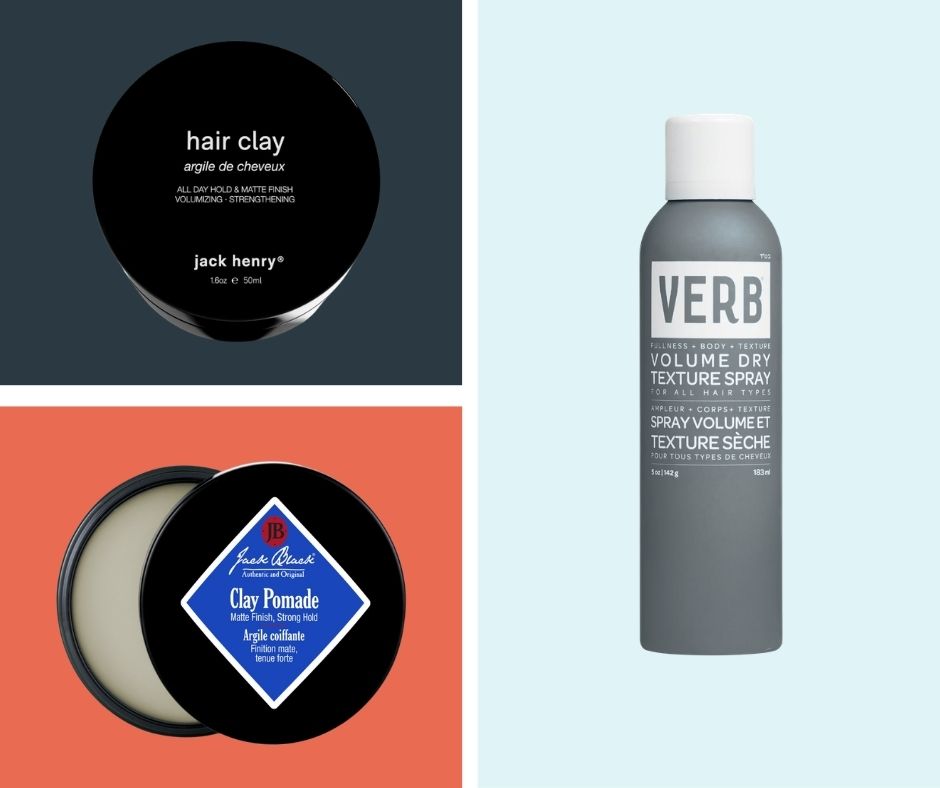
Jack Henry Hair Clay
The counterpoint to the pick above. Jack Henry builds this on bentonite with a list short enough to read in one breath, and bentonite is the clay that absorbs the most oil for its weight, which is why it's used in face masks as well as hair products. The practical difference you'll feel is that this one goes properly matte and stays put, where a wax-heavy clay stays a little more pliable. It's the closest thing on this page to a pure clay experience.
Moderate · Two or three days a week
Powders: Silica, which absorbs oil and adds friction at the same time
Powders do two jobs at once. The silica soaks up oil at the root, which drops the weight and lets hair stand up, and the particles wedge between strands to create friction so the shape holds. That's why nothing on this page lifts fine hair like a powder does. It's also why powder is the one people overuse, because a little gives you a lot and the buildup creeps up on you.
Your hair is fine or flat and you want lift at the root more than you want hold through the ends.
- GoodThe most volume per gram of anything here
- GoodInvisible when you work it in properly
- GoodBrilliant on fine or thinning hair
- TradeoffBuilds up at the scalp faster than you notice
- TradeoffAbsorbs oil your hair might need if you run dry
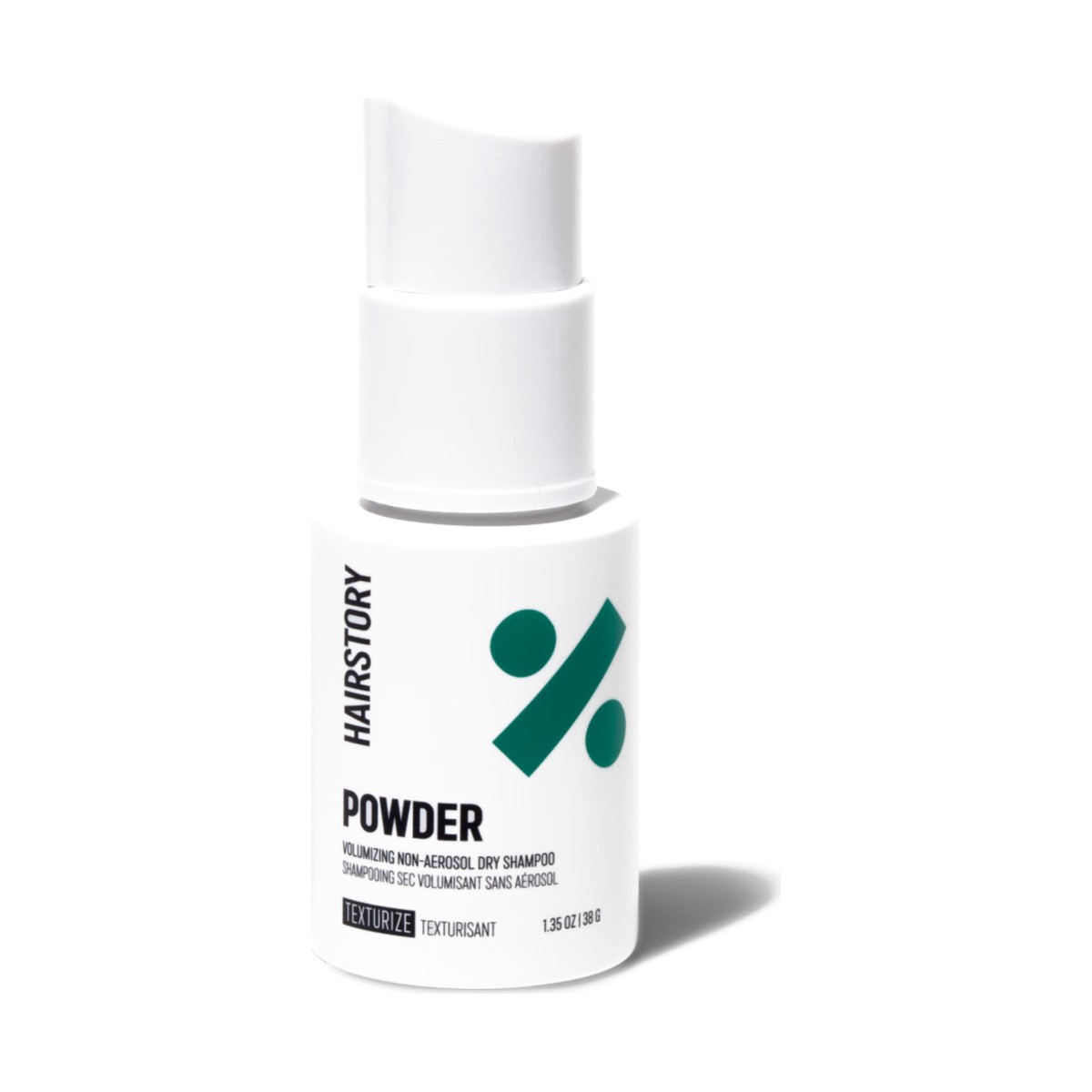
Hairstory
Hairstory Powder
Three different absorbers stacked in one bottle, which is why this hits harder than a plain silica powder. Kaolin takes the oil, silica silylate creates the friction that holds the shape, and tapioca softens the feel so it doesn't read as sand. Hairstory also makes a point of it being non-aerosol and, in their words, 100% free of talc and chalky residue, which speaks to the single biggest complaint about powders: the grey cast on dark hair. It's the most complete powder here and the most expensive.
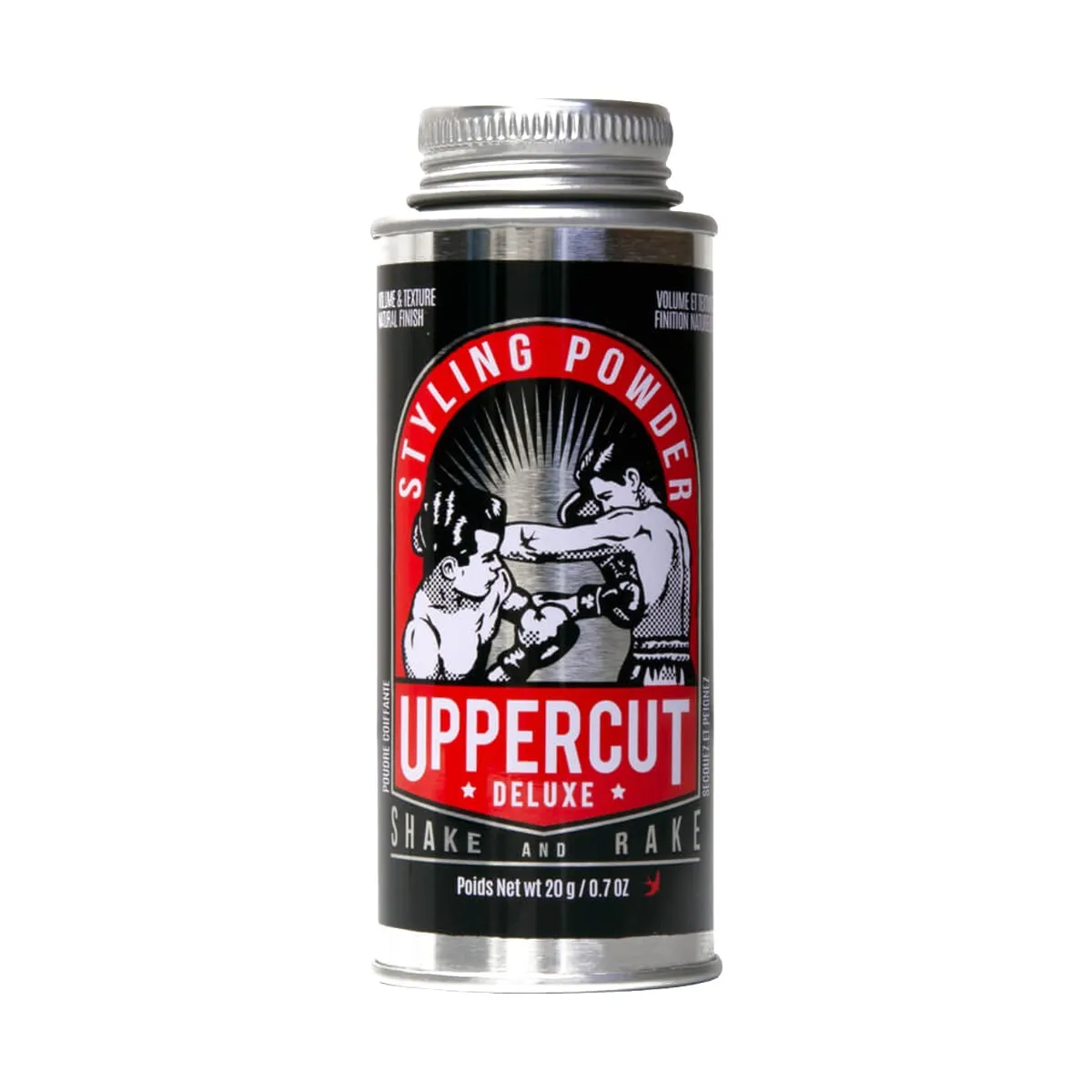
Uppercut Deluxe
Uppercut Deluxe Styling Powder
Six ingredients in total, which is the shortest list on this page by a distance and genuinely unusual in styling products. Silica sits second. The surprise is what's first: glycerin, a humectant that pulls moisture in, with water third. So this goes on damp and slightly tacky rather than dusty, and the glycerin puts a little water back while the silica takes oil out. That's a gentler trade than a dry powder makes, and it's why this is the easiest way into the band. It's also plain silica rather than silica silylate, so the grit is softer.
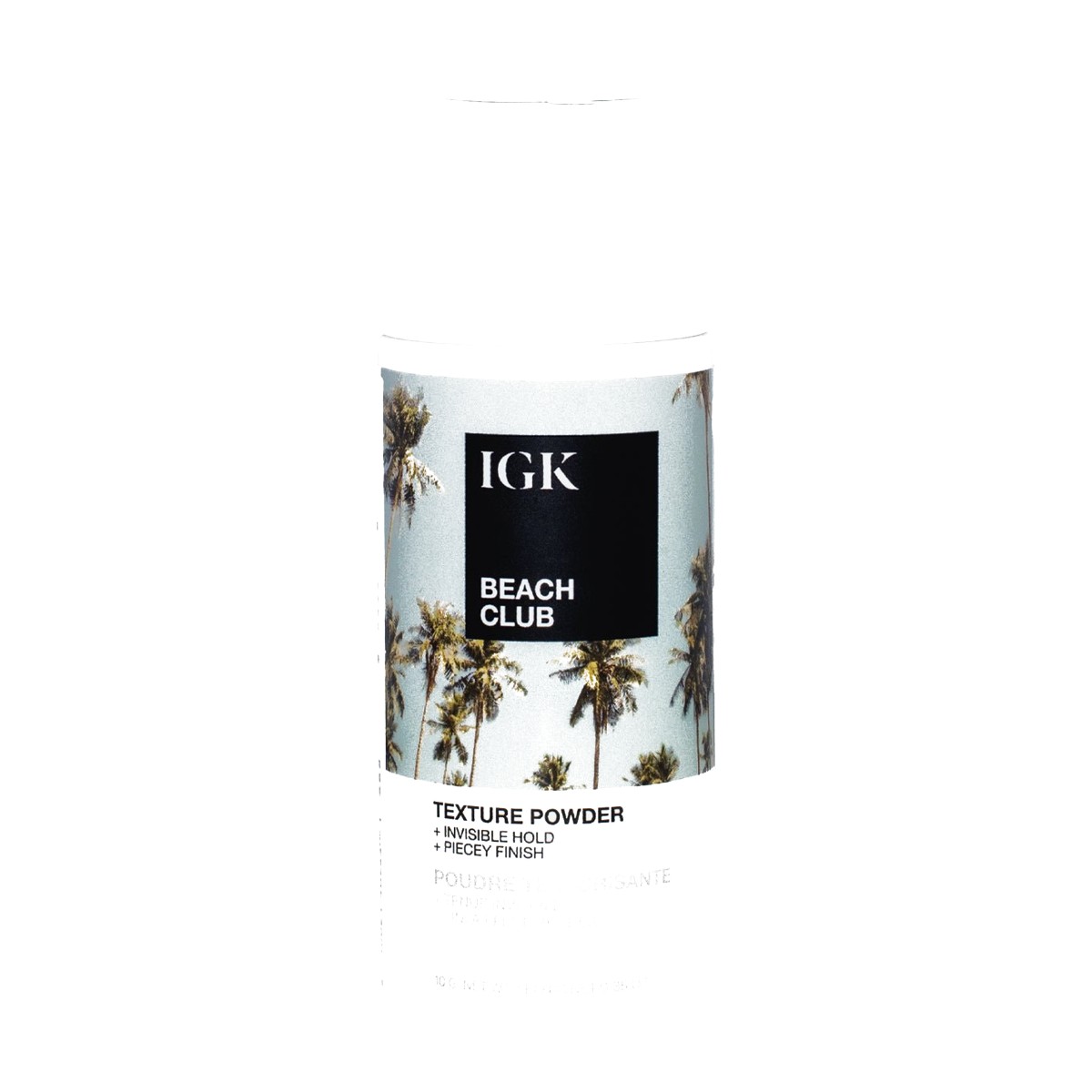
IGK
IGK Beach Club Instant Texture Powder
The heaviest hitter in this band, and the ingredient order explains why. Corn starch leads, then silica silylate, which is the treated form of silica and grips noticeably harder than plain silica does, then bentonite clay at third. Three more absorbers follow further down. That's an unusual amount of lifting power in one shaker, and IGK positions it specifically for short hair, which is fair: on a crop you want grit at the root, and on long hair this much absorption can get chalky.
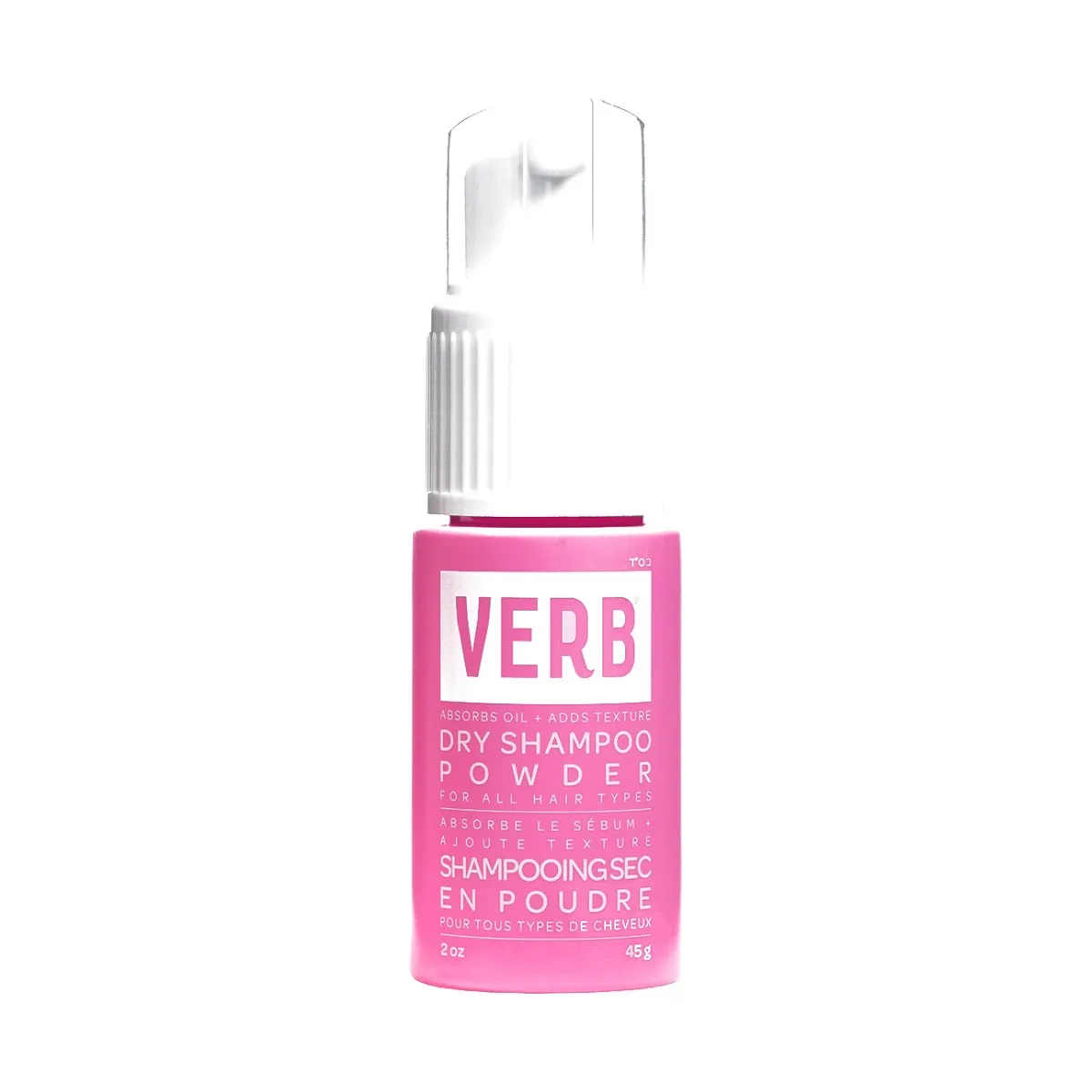
Verb
Verb Dry Shampoo Powder
Starch first, silica third, which is the same pairing that makes a texture powder work. The only real difference between this and the products either side of it is which side of the job the brand chose to sell, and that's mostly a marketing decision rather than a formulation one. Starch-led means it goes softer than a silica-led powder, so you get oil absorption and a bit of body without the squeak. Use it at the root on day two and you get lift out of a bottle that costs less than most things labelled texture.
Harsh · When you need it, not on a schedule
Alcohol and resin sprays: The solvent flashes off and leaves a film welding strands together
This is the band most people are buying without realising it. There's no grit in these and no salt either. It's alcohol carrying a film-forming resin, the alcohol evaporates in seconds and the resin sets between your strands and locks them apart. They work, and they work fast, but the alcohol is drying and the resin needs a proper wash to come out.
You want texture on demand and you're willing to wash properly afterwards rather than using it every morning.
- GoodInstant, and you can build it up in layers
- GoodNo powder residue and no chalky cast
- GoodBest option on the day you need the look to survive a night out
- TradeoffAlcohol is drying, and it is usually the first ingredient
- TradeoffResin can go crunchy if you overdo it
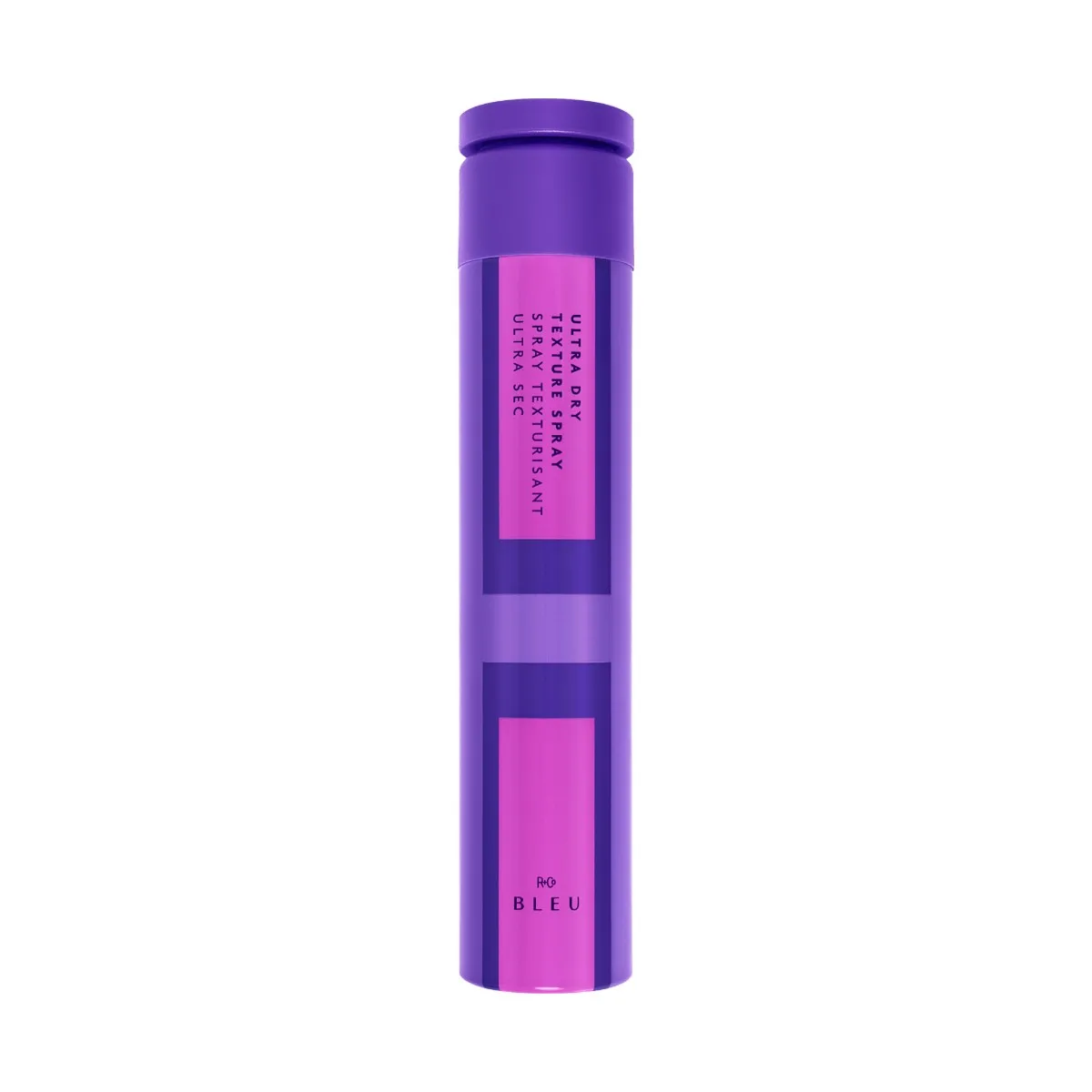
R+Co
R+Co Ultra Dry Texture Spray
Alcohol high on the list and VP/VA behind it, which is the whole mechanism: the alcohol is only a carrier, it flashes off in a couple of seconds, and the resin left behind sets between your strands and holds them apart. There's no grit in this and nothing that absorbs oil, so it doesn't clean anything up. What it does is freeze a shape. Of the three in this band it sets the firmest, which makes it the one for the night you need the style to still be there at midnight.
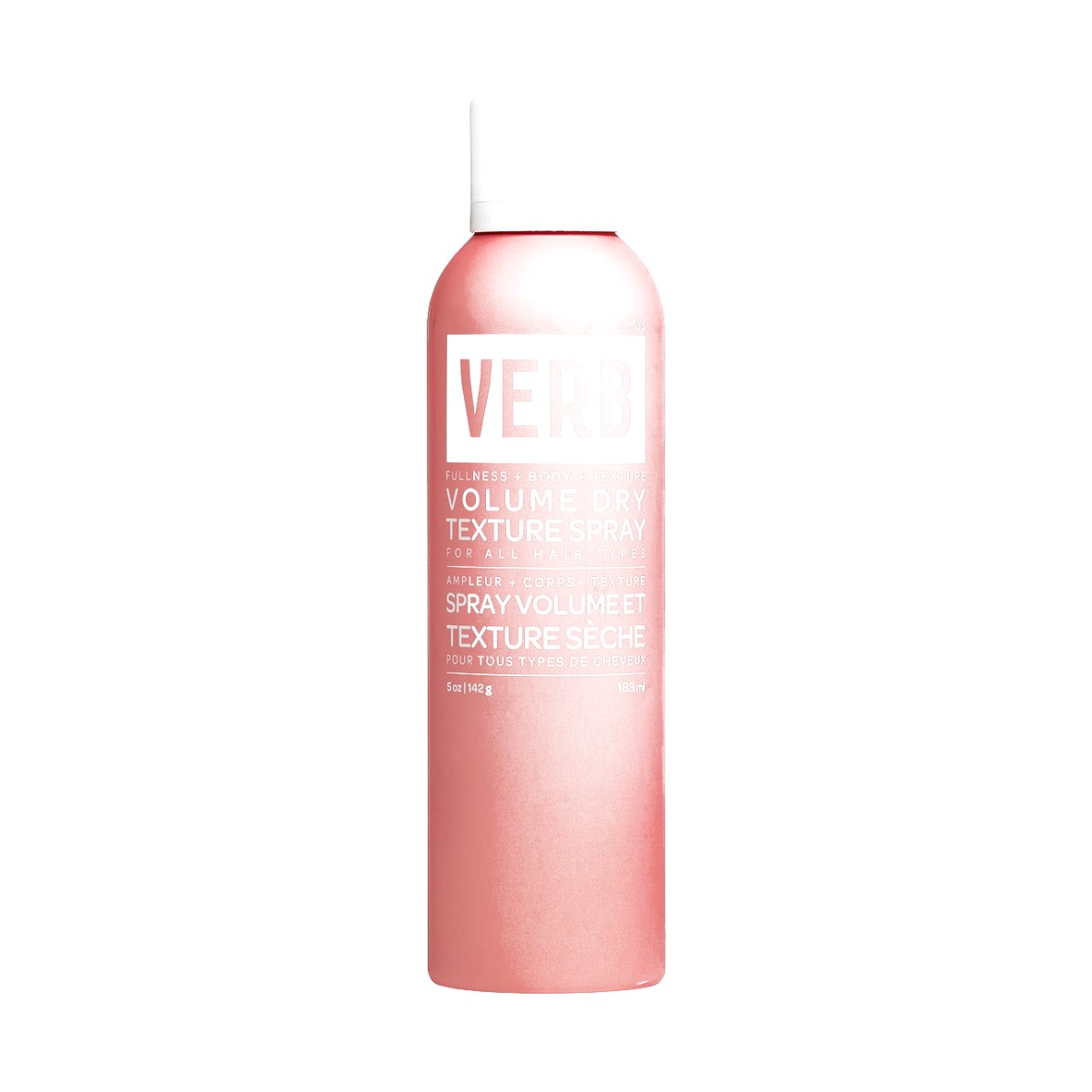
Verb
Verb Volume Dry Texture Spray
Same two workers as the spray above it, at less than half the price, which is the sensible first bottle if you've never used a dry texture spray and don't want to gamble fifty dollars on it. The propellants come first on the list, then the alcohol, then the resin. It's lighter on the resin than the R+Co, so it builds more gradually and is much harder to overshoot, and that forgiveness matters more than outright hold when you're learning how much to use.
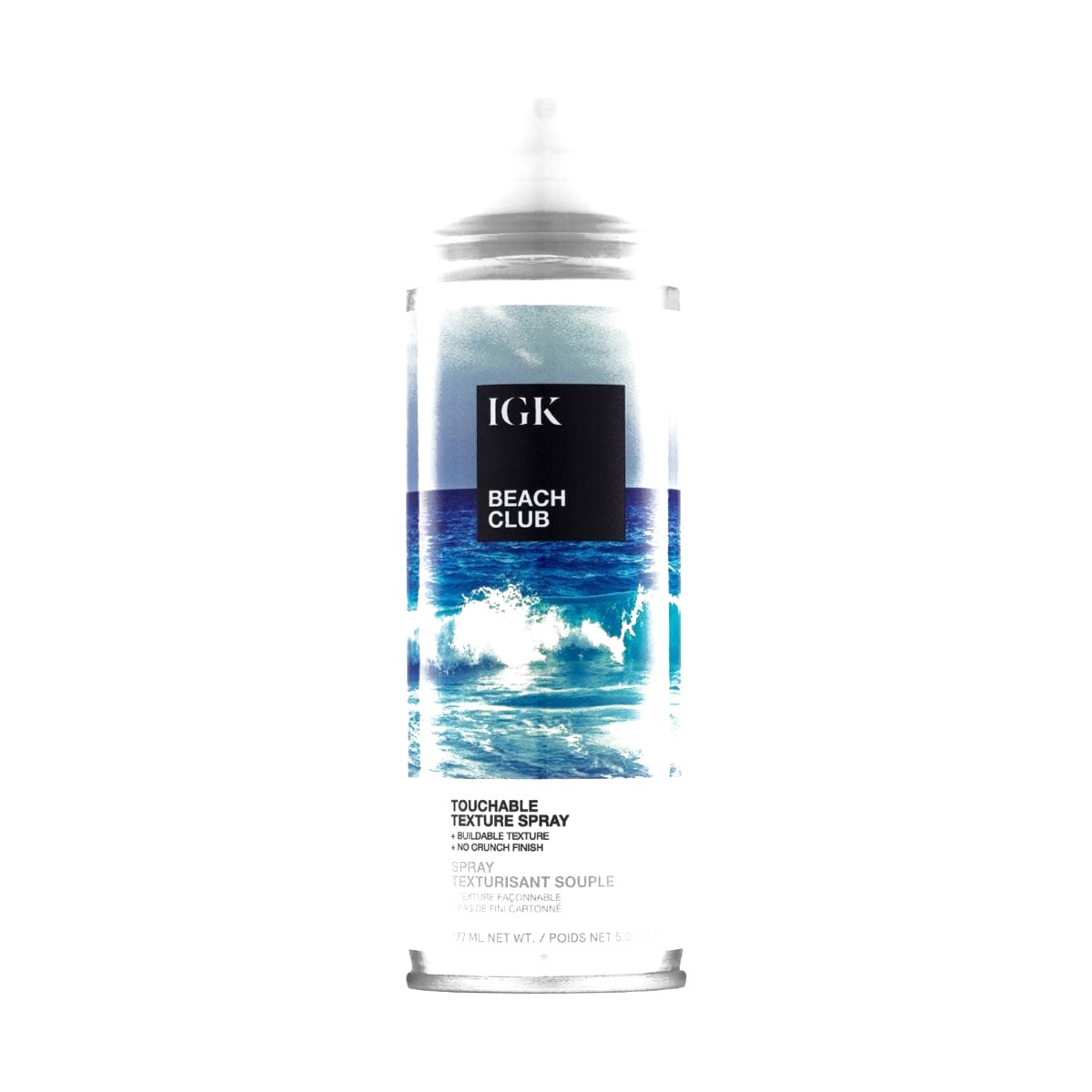
IGK
IGK Beach Club Texture Spray
Worth reading the label on this one, because IGK is upfront about something most brands would rather blur. It's called Beach Club and it gives you the beachy shape, and IGK states flatly that it's salt-free and non-drying. That's not a dodge, it's the entire point: you get the look that salt produces without the mechanism that makes salt hard on your hair. The resin does the separating instead, and there's glycerin in there pulling moisture back in. If your hair is dry or coloured and you've always wanted the salt-spray look, this band exists for you and this is the bottle.
Harshest · Occasionally, and not on dry hair
Salt sprays: Salt pulls water out of the hair shaft
Salt is the most aggressive thing on this page and the brands are open about why it works. It draws water out of the shaft and roughens the cuticle on the way, and that roughened, dehydrated strand is exactly what gives you the bendy, separated, just-came-out-of-the-sea look. Nothing else makes that shape. Just don't treat it as a daily product, because the mechanism is the damage.
Your hair has some natural wave, it's in decent condition, and you want that look for the weekend rather than every day.
- GoodThe only way to get a genuine beachy wave
- GoodWeightless, so it suits fine and medium hair
- GoodA little goes a long way on damp hair
- TradeoffIt works by drying your hair out, so it is rough on dry hair
- TradeoffFades color faster than anything else here

Uppercut Deluxe
Uppercut Deluxe Salt Spray
Most salt sprays use one salt. This has both, and they sit third and fourth behind the alcohol. Magnesium sulfate is epsom salt and it's the one that produces the gritty, matte separation. Sodium chloride is table salt and it does more of the water-pulling. Stack them together with alcohol at second and you get the most textured, least shiny finish in this band and the strongest effect per spray on the page. It's also the cheapest bottle here, which is not the combination you'd expect.
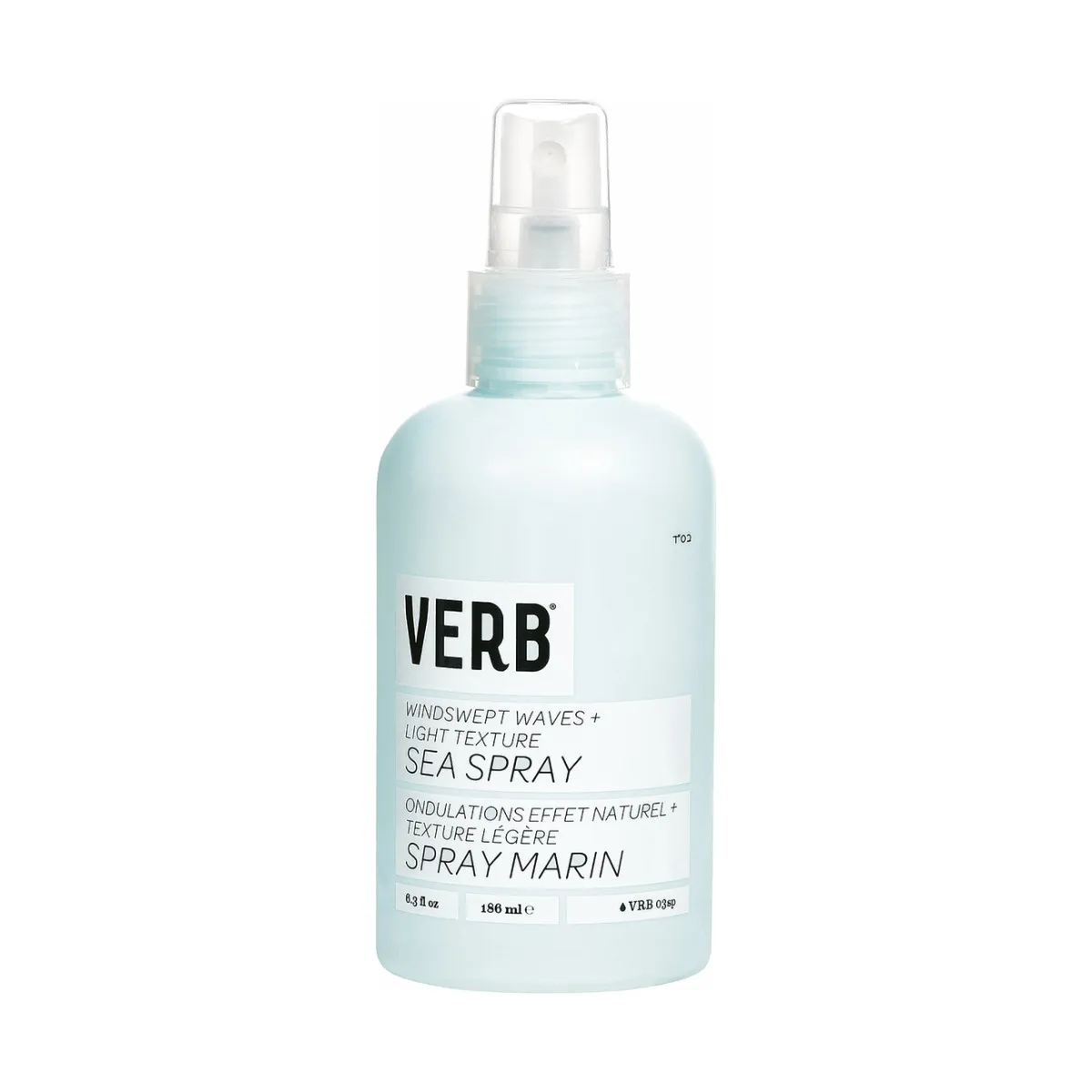
Verb
Verb Sea Spray
The one genuine salt spray here with no alcohol in it anywhere, and that single absence is why it's the salt spray to buy if you want the look more than once a week. Magnesium sulfate sits second, so the salt is doing real work, but everything after it is water and plant extracts rather than solvent. The result is a softer, more natural bend rather than the hard separation you get from the Uppercut, and hair that feels noticeably less stripped the next morning.
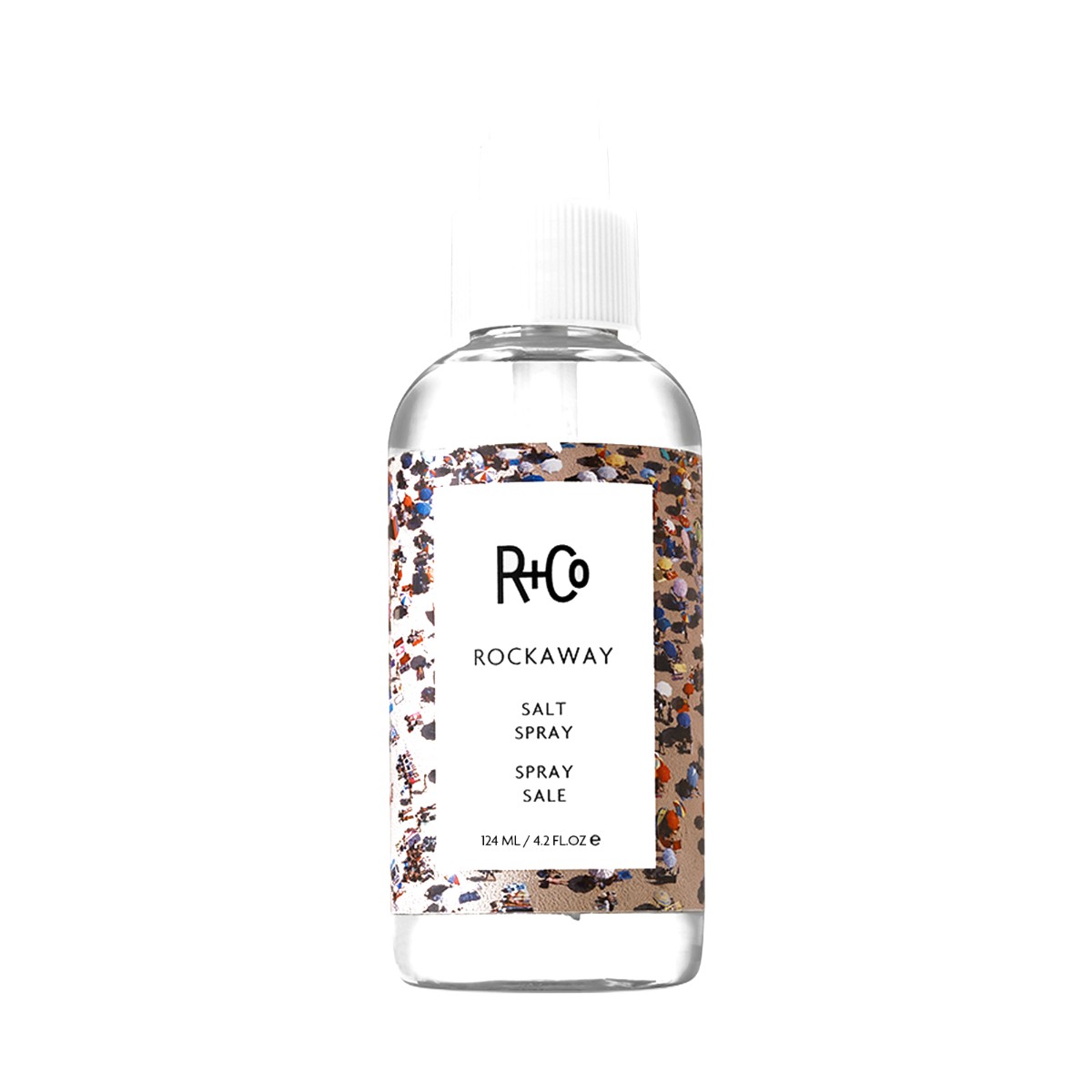
R+Co
R+Co Rockaway Salt Spray
Alcohol second, salt third, then a polymer to lock whatever shape you put in. That ordering is the most aggressive combination on this page and it produces the most dramatic texture on this page, which is the trade stated as plainly as it can be. The PVP is the part the other salt sprays here mostly skip, and it's why the result holds its bend for longer instead of dropping out by the afternoon. If you have thick hair that shrugs off everything else, this is the one that won't be shrugged off.
Questions
