 Skip to content
The short version
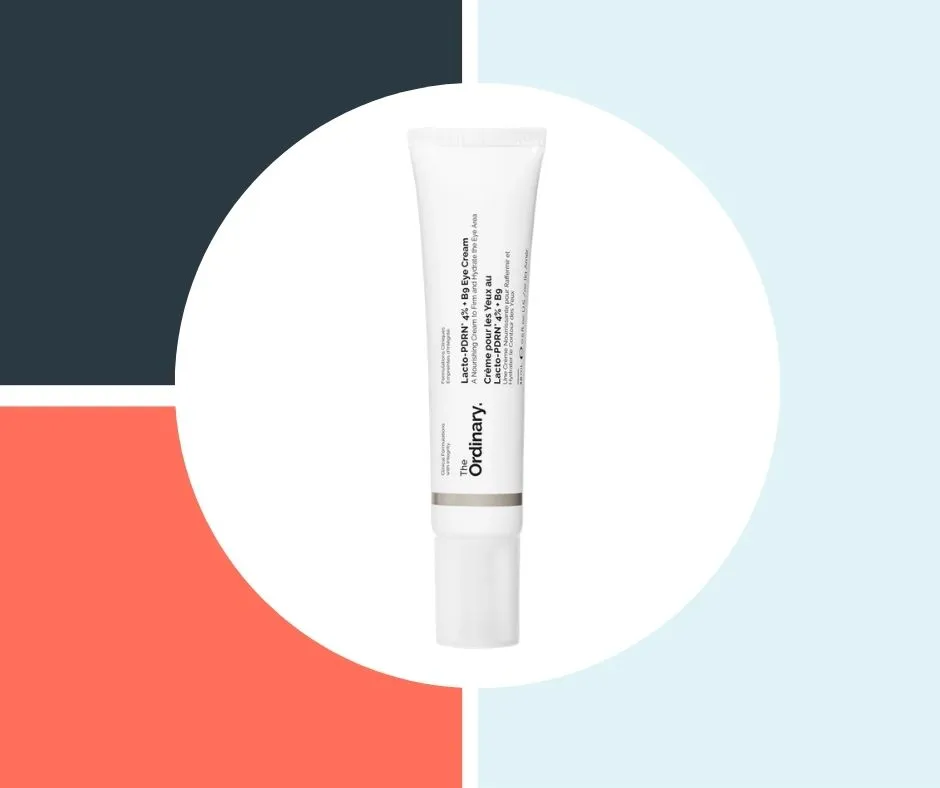
The Ordinary's first eye cream costs $9.50, which is less than most men spend on a sandwich, and it's built around PDRN, the ingredient behind the salmon DNA skincare trend. The question isn't really whether it's good for the money. At $9.50 almost anything is. It's whether a separate eye product earns a spot in a routine that probably only has two or three steps.
Our answer: yes, if you already use a moisturizer and sunscreen and the area around your eyes is the thing you'd change. It's a real step up from smearing your face lotion up there, because it carries an ingredient your moisturizer doesn't. If you don't have the basics yet, start with those. And if dark circles are the issue, this isn't the fix.
The verdict
Worth it, as a second step
Here's what you're buying, and the one thing it won't do.
The cheapest eye cream that's actually trying something
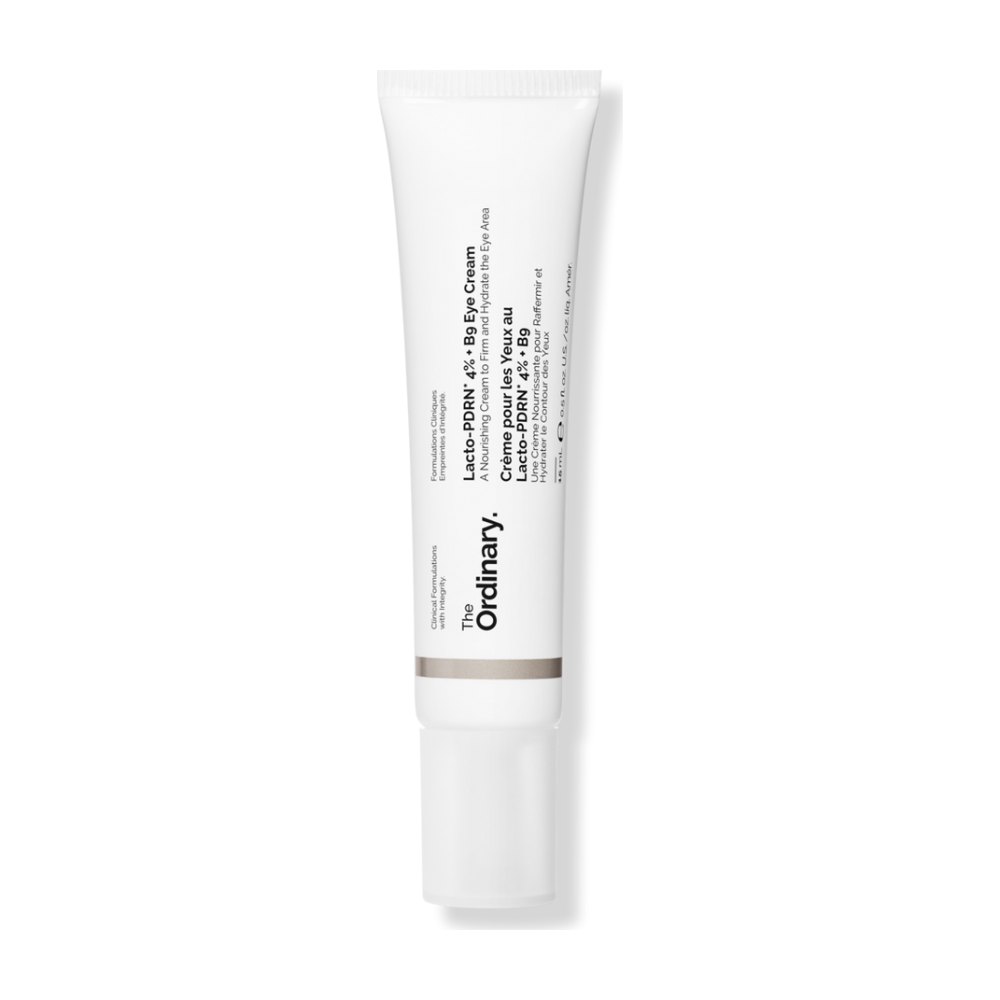
The Ordinary Lacto-PDRN 4% + B9 Eye Cream
It's The Ordinary's first eye cream, and the hook is PDRN, the ingredient behind the salmon DNA craze, made here by fermentation instead of from fish. It's paired with folic acid for hydration and a film-forming ingredient that tightens the area the moment it dries.
In The Ordinary's own eight-week test, crepey lid texture improved 17% and under-eye fine lines 18%. That's the brand's number, but it's a specific one, and it's the kind of result a plain moisturizer isn't built to deliver.
The tightening you notice in the mirror is the film-forming part, and it leaves when you wash. The firming and fine lines take weeks. Judge it at eight weeks, not on day one.
You already use a moisturizer and SPF and want a targeted fix for crepey lids or crow's feet.
You don't use a moisturizer yet. Start there. Or if dark circles are your main complaint.
The spec sheet
The spec sheet
Every figure here comes from The Ordinary's product page and launch notes.
What it actually is
PDRN, without the salmon
PDRN stands for polydeoxyribonucleotide, which is a mouthful for short fragments of DNA. In Korean skincare and in clinics it's usually taken from salmon, and the idea is that those fragments support the skin's own repair and renewal, so the area looks firmer and more elastic over time.
The Ordinary's twist is Lacto-PDRN, made by fermenting a bacteria called Lactobacillus rhamnosus instead of harvesting fish. That makes it vegan, and the launch coverage called it the first eye cream of its kind. It's paired with folic acid (vitamin B9), which The Ordinary uses for hydration and barrier support in thin, fragile skin.
The part you'll notice first is neither of those. It's a film-forming ingredient that tightens and smooths the area as it dries, a mechanical lift you can see in the mirror within minutes. That effect is real but temporary, and it's the reason to judge this on the eight-week result, not the first morning.
Use a pea-sized amount morning and night, tapped in with your ring finger. It's a lightweight gel-cream, so it sinks in quickly without a shine, which matters if you've avoided eye creams because they feel greasy.
The real question
Eye cream or just your moisturizer?
Here's the honest case against a separate eye product: plenty of eye creams are just smaller, pricier tubes of moisturizer. If that's all you're buying, your regular face lotion does the same job around your eyes and you can skip the step.
This one passes the test because it has an ingredient your moisturizer almost certainly doesn't, plus a measured result on the specific things it targets. In The Ordinary's eight-week test with 32 people using it twice a day, the texture of crepey lids improved 17% and under-eye fine lines 18%, with visible lifting reported from the first use.
Those are brand numbers, so treat them as a ceiling rather than a promise. But the bar for a $9.50 experiment is low. If your eyes are where the tired look shows up first, this is the cheapest serious attempt at fixing it.
Beyond the brand
What testers found
It's new, so there isn't a long review trail yet. Here's what the early hands-on coverage says.
The good
A reviewer at Mamamia found her eyes looked plumper and more hydrated almost overnight, with a subtle tightening on tired lids, and said fine lines had softened noticeably after a month.
The limits
The same reviewer was clear it won't erase genetic dark circles or replace in-clinic treatments, and that's consistent with what The Ordinary claims, which is firmness and texture rather than color.
Our read
Nobody's calling it a miracle and The Ordinary isn't either. It's a well-priced, well-targeted eye cream that does what it says on a timeline you have to be patient with.
What to buy instead
If puffiness is the actual problem
Caffeine shrinks the look of morning puffiness. It's the better pick if you're not worried about lines yet.
If puffiness is the real problem
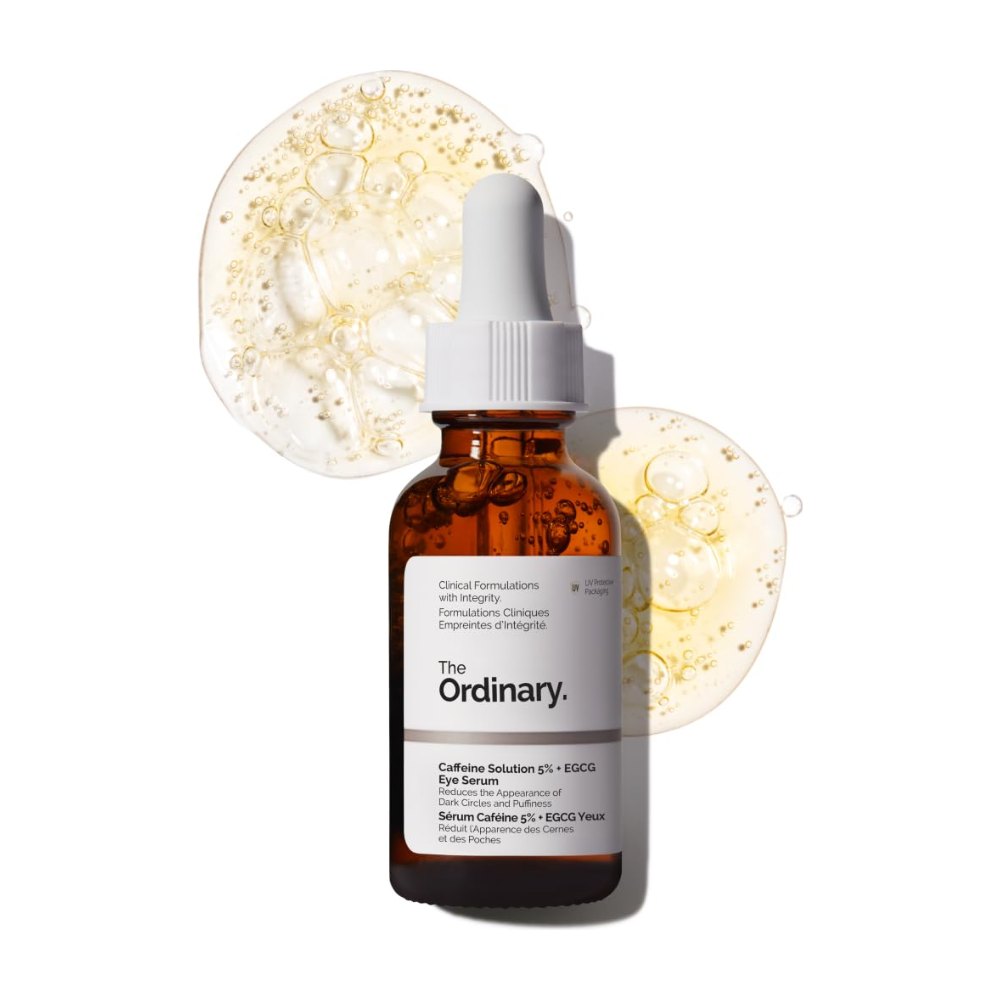
The Ordinary Caffeine Solution 5% + EGCG
The Ordinary's older eye product is a thin, water-based serum aimed at puffiness and dark circles from tiredness. If you wake up puffy and don't care about fine lines yet, this is the more targeted buy for about the same money.
You're puffy in the morning and fine lines aren't on your radar.
You want firming. That's the new eye cream's job, not this one's.
The spec sheet
The spec sheet
Figures from the Amazon listing.
Before you buy
Four things worth knowing
- Get the basics first. A moisturizer and a daily sunscreen do more for the skin around your eyes than any eye cream. Add this on top, not instead.
- Use less than you think. A pea-sized amount covers both eyes. Tap it in with your ring finger, which has the lightest touch.
- Keep strong actives away. The Ordinary warns against overloading the area. Retinol and acids made for your face don't belong this close to your eyes.
- Judge it at eight weeks. The instant tightening washes off. The firming is the part you're paying for, and it takes time.
Questions
The ones we get asked
Is The Ordinary's eye cream good for men?
There's nothing gendered about it. Men's under-eye skin gets the same crepey lids, crow's feet and puffy mornings, and the cream has no added fragrance in its ingredient list, absorbs fast and doesn't leave a shine, which is usually what puts guys off eye creams. If you already use a moisturizer and sunscreen, it's a cheap, sensible next step.
What is PDRN, and is this the salmon DNA stuff?
PDRN is short for polydeoxyribonucleotide, which is a fancy name for short DNA fragments. The version that made it famous in Korean skincare comes from salmon. The Ordinary's Lacto-PDRN is made by fermenting a bacteria called Lactobacillus rhamnosus instead, so it's vegan, and it's meant to do the same job: support the skin's own renewal so the area looks firmer.
Will it get rid of dark circles?
Probably not the genetic kind. The Ordinary sells it for firmness, crepey lids, crow's feet and puffy bags, not for color. Shadows that come from thin skin or the shape of your face won't move much. If your issue is puffiness in the morning, caffeine is the better-targeted ingredient.
How long does it take to work?
There are two effects. A film-forming ingredient tightens and smooths the area right away, which fades when you wash it off. The longer-term change is what The Ordinary measured over eight weeks of twice-daily use, so give it two months before you decide.
Can I use it with retinol or other actives?
The Ordinary advises against overloading the skin with strong actives, because that can damage the barrier you're trying to support. Keep retinol and acids away from the eye area unless they're made for it, and use this on its own there.
Where can I buy it?
From The Ordinary directly, where it's $9.50 with free shipping over $25 and a 365-day return window, and at Ulta.
How we did this
Our method, in full
Brand claims, labeled
Every percentage on this page comes from The Ordinary's own testing, and we say so where it appears. Nothing here is our own lab result.
Prices from the source
The price is The Ordinary's own, and the alternative's is Amazon's when we checked.
No scores
We don't rate products out of ten. We tell you who it's for and who should skip it.
