 Skip to content

OLED is the one television category where the discount tells you exactly which model year you are looking at. The current flagship panels barely move, while last season’s series is cut hard to clear the shelf, and over Labor Day Weekend that gap is at its widest before November. Everything below shows live pricing, so you can see which side of the model-year line each set is on.
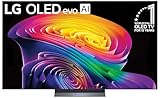
Quick sale picks
The OLED sets carrying the deepest cuts today, which are almost entirely last year’s series. Read the model code in the title rather than the size, because that is what separates a genuine markdown from a repackaged list price.


When OLED TVs actually go on sale
Televisions run on a rigid model-year cycle that has almost nothing to do with the shopping calendar. New panels are announced in January and reach shops in spring; everything before that has to clear, and that clearance is where the real money is.
| When | What to expect |
|---|---|
| Black Friday and Cyber Monday | The best window of the year and the one worth planning around. Last year’s flagship panels reach their lowest price of their entire life, frequently half of launch. |
| December | Moderate. Prices creep back up after Cyber Monday and the popular sizes go out of stock, so what is left is the awkward diagonal nobody wanted. |
| Late January to early February | Excellent, and the most overlooked window. The new lineup is announced, the outgoing one is cleared hard, and the sports final drives a burst of promotion at the same time. |
| March to May | The worst stretch. New panels arrive at full list price and last year’s stock has largely gone, so there is little to discount. |
| Mid-July | Good. The mid-summer sales event reaches televisions properly and the previous generation sees real cuts. |
| Late August to Labor Day | Good, and this is where we are. Retailers clear ahead of the autumn reset, and last season’s OLEDs are cut while the current flagship holds firm. |
| Whenever a series is superseded | The most reliable discount in the category. An OLED panel is a mature technology and the year-on-year difference is genuinely small for most viewers. |
What actually counts as a good price
Screen size drives price far more than panel generation does, so these marks are set by diagonal. Anything meaningfully above them means you are paying for the current model year rather than for the picture.
48 and 55-inch OLED
The entry point to the technology and the size that discounts most predictably. Below eight hundred on a previous-generation panel is a genuinely strong price.
65-inch OLED
The volume size and the sweet spot for most rooms. This is where the deepest absolute savings appear, because it is the diagonal retailers compete hardest on.
77-inch and above
Judge by percentage since the list prices are enormous. Delivery and wall-mount costs matter here too, so factor those in before comparing across retailers.
QLED and mini-LED alternatives
Brighter in a sunny room and considerably cheaper, at the cost of the perfect blacks. A sensible choice for a living room with big windows.
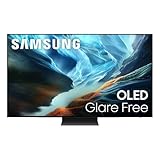
Samsung OLED TVs on sale
Samsung came to OLED late and uses a different panel structure, which produces a brighter image than the traditional approach. Worth comparing directly rather than assuming all OLED sets look alike.



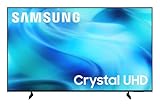
QLED TVs on sale
Not OLED at all, despite the name, and that is the point. QLED is a backlit LCD panel that goes far brighter and costs considerably less, which makes it the better answer for a bright room even though the blacks are not as deep.


65-inch TVs on sale
The size most people actually buy, across every panel technology. Measure the wall before the price: the usual mistake is buying a set that is too large for the viewing distance rather than too small.


TV wall mounts on sale
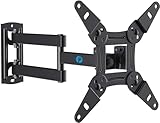
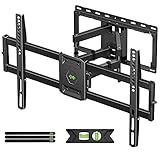
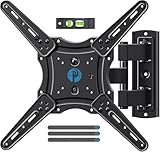
The accessory that most affects how an expensive television actually looks in a room, and the one most people buy in a hurry afterwards at a marked-up price. Check the VESA pattern and the weight rating against your specific set.





Where else to check today
Televisions are one of the few categories where the specialist retailers routinely beat the marketplaces, because delivery, setup and price matching are part of the deal. These are the ones worth opening in another tab.
Best BuyBest for the full OLED range
LGBest for understanding the lineup
SamsungBest for the brighter panels
AbtBest for delivery and setup
WalmartBest for the cheapest entry sets
How to buy an OLED TV
Buy last year’s series, deliberately. This is the single biggest saving available in televisions. OLED panels are a mature technology and the year-on-year improvement is small enough that most people cannot identify it side by side. The outgoing series is routinely thirty to forty percent below the new one and is frequently the same panel with a different processor.
Learn to read the model code, not the marketing name. Manufacturers reuse series names across years, so a set advertised with the same three letters may be current or two generations old. The year is encoded in the model number, and knowing it is the difference between a bargain and a set that has simply not been reduced yet.
Consider QLED if the room is bright. OLED wins decisively in a dim room and loses to a good QLED in a sunny one, because it cannot get as bright. This is a real trade rather than a marketing distinction, and choosing on room conditions rather than on which technology sounds better saves both money and disappointment.
Measure the viewing distance before you choose a size. The common error is buying too large rather than too small. A rough guide is that a 65-inch set suits a viewing distance of about eight feet; sit much closer and you see the pixel structure and have to move your eyes across the picture.
Budget for the mount and the cables at the same time. A wall mount bought in a hurry after delivery costs roughly double one bought alongside the set, and cheap HDMI cables genuinely do fail at high refresh rates. Neither is expensive if planned; both are annoying if not.
Do not pay extra for 8K. There is essentially no 8K content, the upscaling difference is invisible at normal viewing distances, and the sets carry a substantial premium. That premium is far better spent on a larger or better-specified 4K panel.
OLED TV questions, answered
The bottom line
Buy last season’s series rather than the current one, because that is where the entire discount lives and the picture difference is small enough that most people cannot pick it out. Read the model code to know which year you are actually looking at. Choose OLED for a dim room and QLED for a bright one, since that decision affects the result more than the price does, and measure the viewing distance before settling on a size. Skip 8K entirely, and buy the mount at the same time as the set rather than in a hurry afterwards.
